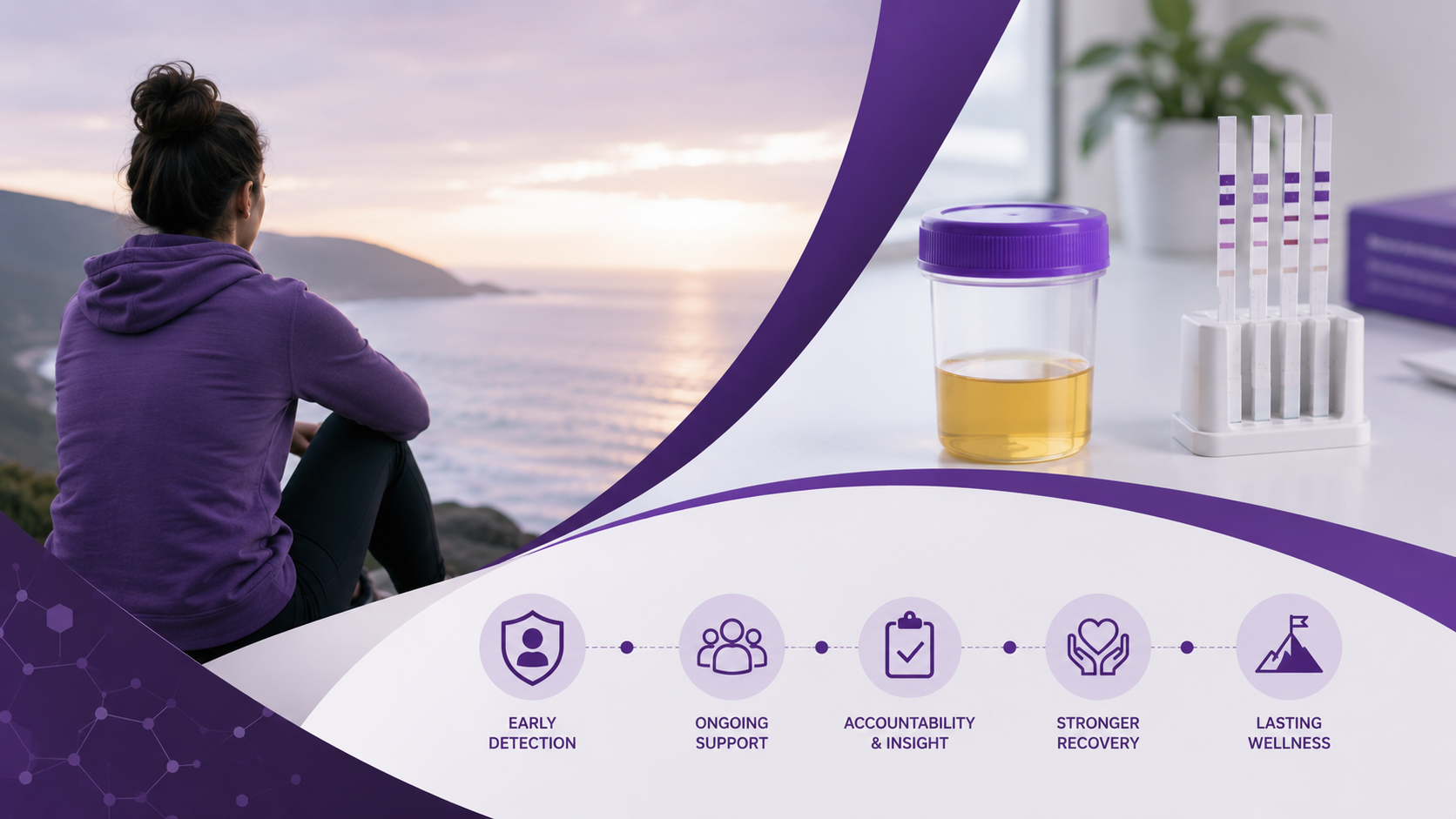
Drug testing for relapse prevention helps people stay safe during recovery from addiction. Many treatment centers use drug testing to support patients during the recovery process. Drug testing can help detect drug use early, lower the risk of relapse, and support long term recovery.
At Lynk Diagnostics, we work with rehab facilities and treatment programs that help people with substance use disorder. Our testing services support addiction treatment, mental health care, and relapse prevention programs. Drug testing gives care teams important information that helps patients build confidence and stay focused on recovery.
Relapse can happen during recovery from drugs or alcohol. Recovery is not always easy. Some people face cravings, stress, negative feelings, or social pressures that make staying sober harder. Drug testing can help treatment teams respond quickly before relapse occurs.
What Is Drug Testing for Relapse Prevention?
Drug testing for relapse prevention is the use of laboratory testing to monitor substance use during treatment and recovery. Testing can check for drugs, alcohol, medications, and other substances in the body.
Many addiction treatment centers use testing during inpatient program care, outpatient treatment, and long term recovery support. Drug testing helps treatment providers understand if a person may be at higher risk for future relapse.
Drug testing may include:
Urine drug testing
Saliva testing
Hair testing
Blood testing
Medication monitoring
These tests help treatment programs support patients with substance abuse and chronic substance use problems.
Why Relapse Prevention Matters
Relapse prevention is a major part of addiction recovery. A relapse happens when a person returns to drug or alcohol use after a period of sobriety. Relapse is common in substance use disorder because addiction is a chronic disorder.
People recovering from addiction often face high risk situations during everyday life. Emotional stress, social support problems, cravings, or exposure to other drugs can increase the likelihood of relapse.
Relapse prevention strategies help patients:
Avoid triggers
Build coping skills
Improve self care
Handle cravings
Stay focused on recovery
Build confidence
Reduce the risk of uncontrolled use
Strong relapse prevention programs can help patients reach long term success.
Understanding the Stages of Relapse
Relapse is usually a process that happens over time. Many experts in alcohol research and addiction treatment describe relapse in stages.
Emotional Relapse Stage
The emotional relapse stage starts before drug use happens. A person may not think about using drugs or alcohol yet, but emotional issues begin to appear.
Signs of emotional relapse include:
Poor self care
Isolation from loved ones
Anger or stress
Negative feelings
Lack of sleep
Skipping therapy
Avoiding social support
During this stage, patients may stop taking care of themselves. Emotional relapse can increase the risk of future relapse.
Mental Relapse Stage
The mental relapse stage happens when a person starts thinking about past use or drug use again. Part of the person wants recovery, while another part may think about drinking or drugs.
Signs of mental relapse include:
Thinking about one drink
Remembering past use
Cravings
Planning drug or alcohol use
Talking to people connected to substance abuse
Looking for certain drugs
This mental relapse stage is dangerous because relapse occurs more easily if help is not given quickly.
Final Stage of Relapse
The final stage is when a person returns to drug or alcohol use. This may begin with an initial lapse, such as drinking alcohol once or using drugs after an extended period of sobriety.
Without support, an initial lapse can lead to uncontrolled use and long term substance abuse.
Drug testing helps treatment providers detect relapse early before the situation becomes worse.
How Drug Testing Supports Recovery
Drug testing is an important tool in recovery and relapse prevention. It supports patients, therapists, family members, and treatment teams.
Helps Detect Drug Use Early
Drug testing can identify substance use before addiction becomes severe again. Early testing gives treatment providers a chance to respond quickly.
This can help:
Prevent future relapse
Reduce higher risk behavior
Protect mental health
Support long term recovery
Encourages Accountability
Many people in recovery feel more motivated when drug testing is part of their treatment program. Testing can increase self efficacy and confidence because patients stay responsible for their recovery goals.
Knowing a test may happen can help patients avoid triggers and risky situations.
Supports Treatment Decisions
Drug testing gives clear information that helps therapy teams create better treatment plans. Treatment providers may adjust therapy, medications, or coping strategies based on test results.
This helps improve addiction treatment and substance abuse treatment outcomes.
Drug Testing in Addiction Treatment Programs
Many rehab facilities use drug testing during addiction treatment and relapse prevention programs.
Inpatient Program Testing
An inpatient program often includes regular drug testing. Patients receive close monitoring while learning coping skills and healthy habits.
Testing during inpatient care can:
Reduce drug abuse
Improve safety
Support therapy
Build confidence in recovery
Outpatient Treatment Testing
Outpatient treatment programs also use testing. Patients may return to everyday life while still receiving therapy and support.
Drug testing helps providers monitor recovery outside the treatment center.
Long Term Recovery Support
Recovery is a long term process. Some people continue testing for months or years after treatment.
Long term monitoring can help:
Preventing relapse
Support accountability
Strengthen coping strategies
Improve self care
Reduce the likelihood of relapse
Common Relapse Prevention Strategies
Drug testing works best when combined with other relapse prevention strategies.
Individual Therapy
Individual therapy helps patients understand emotional issues, addiction triggers, and unhealthy behaviors.
Therapy may include:
Motivational interviewing
Cognitive behavioral therapy
Trauma therapy
Coping skills training
These skills needed for recovery help reduce the risk of relapse.
Support Groups
Support groups provide social support during recovery.
Common recovery groups include:
Alcoholics Anonymous
Narcotics Anonymous
SMART Recovery
These groups help people connect with others who understand addiction and recovery.
Building Coping Skills
Coping skills are important during recovery. Patients learn how to manage cravings, stress, and social pressures without drugs or alcohol.
Healthy coping strategies include:
Exercise
Meditation
Therapy
Journaling
Talking with loved ones
Healthy routines
Self Care and Mental Health
Mental health problems can increase relapse risk. Depression, anxiety, trauma, and stress may lead to substance use.
Good self care supports both recovery and mental health.
Taking care of the body and mind can include:
Healthy sleep
Good nutrition
Therapy
Medication management
Time with family members
Stress reduction
High Risk Situations That Can Lead to Relapse
Certain situations may increase the risk of relapse.
Common high risk situations include:
Being around drugs or alcohol
Stress at work or school
Relationship problems
Social pressures
Negative feelings
Lack of support
Emotional relapse
Mental relapse
Patients in recovery must learn to avoid triggers whenever possible.
Treatment teams often help patients create relapse prevention plans for these situations.
The Role of Family Members and Loved Ones
Loved ones play a major role in recovery. Family members can help patients stay focused on treatment and recovery goals.
Support from loved ones may include:
Encouragement
Transportation to therapy
Emotional support
Accountability
Helping patients avoid triggers
Families also benefit from learning about addiction, disorder treatment, and relapse prevention.
Drug Testing and Confidence in Recovery
Drug testing is not meant to punish patients. Instead, it is a tool that supports recovery and healing.
Testing can improve:
Self efficacy
Confidence
Accountability
Communication with treatment providers
Recovery progress
Patients often feel proud when they see consistent negative drug test results over time.
This can lead to greater confidence and long term success.
Why Rehab Facilities Choose Lynk Diagnostics
Lynk Diagnostics supports rehab centers, therapy programs, and addiction treatment facilities with reliable toxicology and drug testing services.
We understand the needs of patients recovering from chronic substance use and substance use disorder. Our laboratory services help treatment teams make informed decisions during recovery.
We support:
Substance abuse treatment
Relapse prevention programs
Medication monitoring
Drug abuse testing
Recovery support
Mental health treatment
Our goal is to help treatment providers improve patient care and support preventing relapse.
FAQs About Drug Testing for Relapse Prevention
How does drug testing help with relapse prevention?
Drug testing helps detect drug or alcohol use early during recovery. This allows treatment providers to respond quickly and support patients before relapse becomes worse.
Can relapse happen after a long period of recovery?
Yes. Relapse can happen even after an extended period of sobriety. Addiction is a chronic disorder, so long term support and relapse prevention strategies are important.
What happens after an initial lapse?
An initial lapse does not always mean complete relapse. Quick treatment, therapy, and social support can help patients return to recovery goals.
Are support groups helpful during recovery?
Yes. Groups like Alcoholics Anonymous, Narcotics Anonymous, and SMART Recovery provide social support, coping strategies, and encouragement during recovery.
Why is self care important during recovery?
Self care helps reduce stress, improve mental health, and lower relapse risk. Healthy sleep, therapy, exercise, and support from loved ones can strengthen recovery.