
Understanding Drug Testing Between Rehab and Sober Living
When a person leaves rehab, their journey is not over. It is only the next step in recovery. Many people move from treatment into a sober living house or other sober living facilities.
Lynk Diagnostics is a drug testing center that partners with rehab programs and sober living homes to make this process easier, safer, and more accurate.
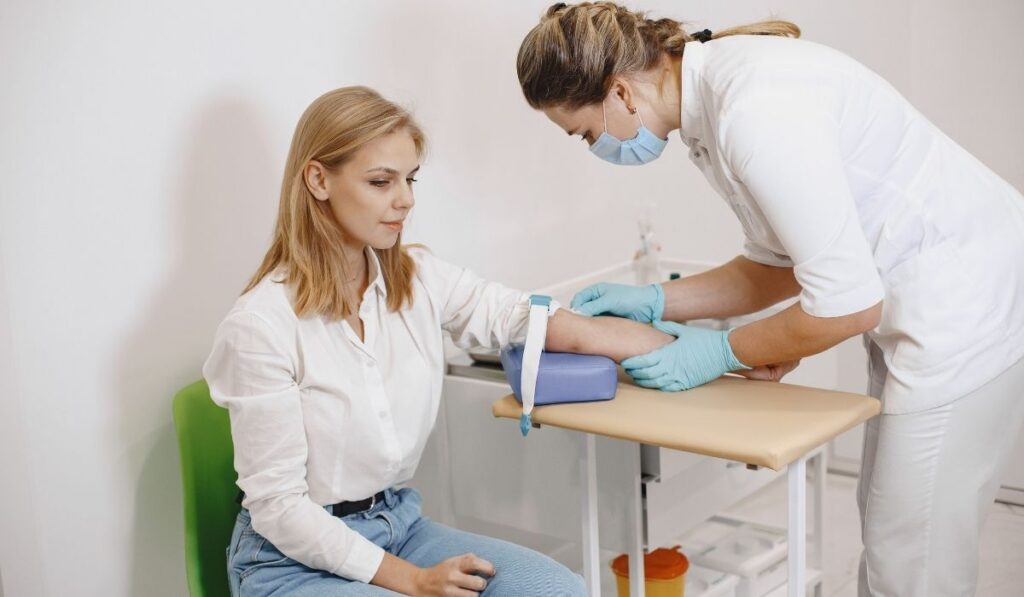
Why Drug Testing Matters in Rehab and Sober Living
Supporting Sobriety and Safety
A well-planned drug test program can:
- Help the patient stay focused on sobriety
- Catch alcohol or drugs early, before things get worse
- Keep other residents safe in the home
- Give staff and families peace of mind
When people know there will be regular drug tests, it adds gentle accountability. This is not about shame. It is about staying honest and safe in a sober life.
Watching for Relapse Risk
Recovery is not a straight line. Stress, anxiety, and cravings can lead to relapse. Testing can show when someone has slipped. With quick results, staff can change the therapy plan and add more support right away.
What Is a Sober Living Home?
Life Between Rehab and Full Independence
A sober living home is a safe place for people who have finished rehab but are not ready to live fully on their own. These homes are a bridge between treatment and “normal” living.
In a sober living house or other sober living homes, people usually agree to:
- Stay free from drug and alcohol use
- Follow curfew rules
- Take part in peer support and house meetings
- Work on life skills, like cooking, cleaning, and budgeting
Community and Peer Support
The community in sober living is a big part of healing. Peer support helps people feel less alone. When everyone follows the same rules and testing plan, it builds trust and safety in the house.
Challenges When Testing Is Not Coordinated
If rehab and sober living do not work together on drug tests, problems can happen, such as:
- Different rules about how often to test
- Confusing messages about what happens if someone uses drugs
- Mixed standards for confidentiality and sharing results
- Delays in getting urine test or saliva drug test results
When every place does things in a different way, the patient can feel lost or even tempted to hide use. A clear, shared plan fixes this.
Types of Drug Tests Used in Rehab and Sober Living
Urine, Saliva, and Breath Testing
Rehab and sober living programs use different tools to check for substances, including:
- Urine tests and urinalysis (very common)
- Saliva tests and full saliva drug test panels
- Breathalyzer tests to check for alcohol
These tests can look for opioid, benzodiazepine, opiate, and even phencyclidine use, among other substances. Some programs use a panel drug test or multi-panel screen that checks for many drugs at once.
Panel Drug Tests and Drug Test Cups
Many rehab centers and sober living facilities use drug test cups or “cups” for urine test screening. These may be simple 5-panel or more complete panel tests that look for a range of substances in one quick check.
Lynk Diagnostics helps programs select the right level of drug tests for their population and level of risk.
Coordinating a Shared Testing Plan
Building One Clear Policy
To make coordinating drug testing between rehab and sober living work, both sides should agree on:
- How often to test (random, weekly, or as needed)
- Which type of tests to use (urine, saliva, breathalyzer)
- What to include on each panel drug test
- How to handle a positive test and possible relapse
A shared written policy makes expectations clear for all residents, staff, and families.
Sharing Data While Protecting Confidentiality
Test results must be handled with care. Confidentiality is key. With a trusted partner like Lynk Diagnostics, rehab centers and sober living homes can:
- Receive accurate results quickly
- Share needed information between teams
- Protect private mental health and medical data
Results are shared only with people who need to know, such as the clinical team or house manager, while still respecting the person’s privacy and dignity.
Caring for Mental Health and Dual Diagnosis
Understanding Dual Diagnosis
Many people in treatment have dual diagnosis. This means they struggle with both addiction and another mental health concern, such as:
- Anxiety
- Schizophrenia
- Psychosis
- Mood disorders
When a person has a serious condition like schizophrenia or psychosis, a drug addiction drug pattern can make symptoms worse. Using substances on top of mental illness can be very risky.
Using Therapy Alongside Testing
Testing is only one tool. It works best when combined with strong therapy and support. This may include:
- Individual counseling
- Group therapy
- Dialectical behavior therapy (DBT) to help with strong emotions and self-harm risk
- Medication management by a doctor
For people with dual diagnosis, testing can show if opioid, benzodiazepine, or alcohol use is making mental health symptoms worse. Then the care team can adjust medications and support.
Accountability Without Shame
Clear Rules and Kind Support
A good testing system is firm but kind. Staff explain that tests are not about “catching” people. They are about safety and support. This balance of accountability and compassion helps people feel cared for, not judged.
When both rehab and sober living home staff follow the same rules, people know what to expect. This helps them stay sober and build trust with their care team.
Peer Support Around Testing
House meetings and peer support groups can talk openly about testing. People can share how random drug tests help them stay strong when they are tempted. This honest talk makes the whole community stronger.
Building Life Skills for Long-Term Sober Living
More Than Just Passing a Test
A person is not just their test result. Along with testing, rehab and sober living programs teach key life skills, such as:
- Keeping a job or going back to school
- Handling money
- Dealing with stress without drugs or alcohol
- Taking medicine as prescribed
These skills support long-term sober life, far beyond the time spent in rehab or a sober living house.
How Lynk Diagnostics Helps Rehab and Sober Living Homes
Lynk Diagnostics focuses on drug testing solutions made just for rehab centers and sober living facilities. By working with both sides, Lynk can:
- Help create one shared testing plan
- Provide reliable drug test tools like drug test cups and lab services
- Offer urinalysis, saliva drug test, and other options tailored to each program
- Support safe recovery with fast, accurate results
This kind of central testing support helps keep patient care consistent and effective across all levels of care.
FAQs About Coordinating Drug Testing Between Rehab and Sober Living
How often should drug tests be done after rehab?
The schedule depends on the person’s history and level of risk. Many programs do more frequent drug tests early in recovery, like weekly or random checks. Over time, tests may become less frequent as the person shows steady sobriety and stability in sober living.
What types of tests are best for sober living homes?
Most sober living homes use urine test cups for quick checks and may send samples to a lab for full urinalysis when needed. Some also use breathalyzer tests for alcohol and saliva tests when a person cannot give a urine sample. A mix of tools lets staff respond to different situations.
How are mental health issues handled with drug testing?
For people with dual diagnosis, like anxiety, schizophrenia, or psychosis, testing is part of a full care plan. Results help doctors and therapists see how substance abuse is affecting mental health. Then they can adjust therapy and medications, such as when someone is misusing an opiate or benzodiazepine.
Can drug testing be done without shaming residents?
Yes. When staff explain the purpose clearly and use kind, respectful language, testing feels like a safety tool, not a punishment. House rules about curfew, testing, and accountability apply to everyone, so residents feel that the system is fair.
Why partner with a dedicated drug testing center like Lynk Diagnostics?
Working with a focused testing partner helps rehab and sober living facilities keep their process consistent and high-quality. Lynk Diagnostics offers accurate panel drug test options, clear reports, and strong confidentiality. This lets the care team focus on therapy, community, and long-term sober life, while the lab handles the science of testing.
By coordinating drug testing between rehab and sober living, programs create a strong safety net. With clear rules, respectful care, and help from Lynk Diagnostics, people in recovery have a better chance to stay sober, rebuild their lives, and move forward with hope.