Toxicology Testing: A Clear Guide for Rehab Facilities

Toxicology Testing

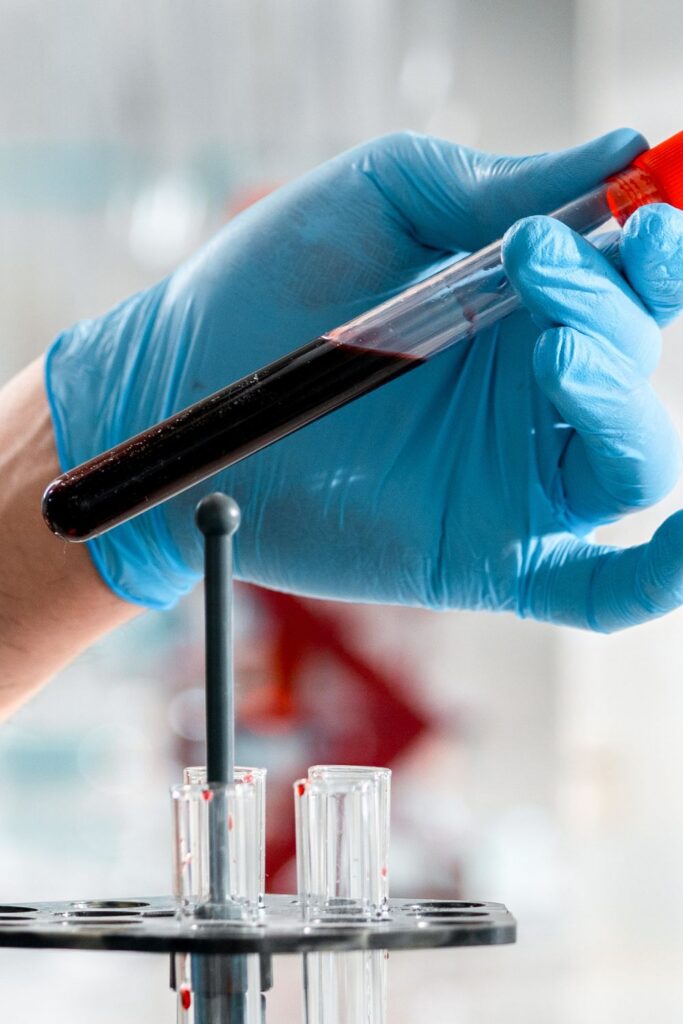
Toxicology testing is a type of lab testing that looks for drugs, alcohol, chemicals, toxic substances, and other substances in the body. For rehab facilities, this testing can play an important role in patient care, treatment, safety, and recovery support.
Lynk Diagnostics provides drug testing and toxicology testing for rehab facilities that need clear, timely, and defensible results. These results can help clinicians understand drug use, medication compliance, possible overdose risk, and substance abuse concerns.
Toxicology testing may use urine, blood, saliva, hair, or other biological samples. The type of sample depends on the reason for testing, the substances of concern, and the time window that needs to be checked.

What Is Toxicology Testing?

Toxicology testing is the process of checking a sample for the presence of drugs, alcohol, medications, toxic chemicals, or poisons. It can help identify controlled substances, prescription medications, illicit drug use, synthetic drugs, environmental toxins, and signs of poisoning.
In rehab care, toxicology testing is often used to support diagnosis, treatment, monitoring, and prevention. It can help answer questions like:
Was a drug present?
Was alcohol present?
Was there recent drug use?
Could certain drugs affect patient safety?
Is medication misuse a concern?
Is a patient taking prescribed medications as directed?
Toxicology does not replace clinical care. It supports it. Clinicians should look at test results along with patient history, symptoms, medications, dose information, and the full treatment plan.

Why Toxicology Testing Matters in Rehab Care

It Supports Patient Safety

Patient safety is critical in addiction treatment and behavioral health care. Toxicology testing can help detect substances that may raise the risk of overdose, drug interactions, relapse, or medical problems.
For example, if a patient has opioids, alcohol, benzodiazepines, cocaine, marijuana, or other controlled substances present, the care team may need to adjust treatment. This may include closer monitoring, a change in medications, or extra support.

It Helps Improve Patient Outcomes

Accurate testing can help improve patient outcomes because it gives clinicians objective data. This means the care team does not have to rely only on self-reported drug use. Patients may forget, feel scared, or not know what was in a substance they used.
Drug testing and toxicology testing can help teams make safer choices. This can support better patient care, stronger treatment plans, and improved treatment decisions.

It Helps With Early Detection

Early detection can help rehab teams respond before a problem gets worse. If toxicology testing shows new drug use, illicit drug use, or medication misuse, clinicians can step in with support.
This is not about punishment. In a treatment setting, testing should help guide care. The goal is to detect risk, identify needs, and protect patients.

Common Biological Samples Used in Toxicology Testing

Urine Samples

Urine samples are often used in drug testing because urine testing can detect many substances used in the past few days. Urine drug monitoring is common in rehab programs because it is useful, noninvasive, and widely accepted.
Urine drug testing can help detect drug use, medication misuse, and the presence of certain drugs. It may be used for routine monitoring, random testing, or follow-up after a concern.

Blood Samples

Blood testing can help show what is active in the body at the time of testing. Blood may be used in emergency toxicology, overdose care, emergency department cases, or when clinicians need more urgent medical data.
Blood testing can sometimes give important details about dose, toxicity, and current exposure. However, it may have a shorter detection window than urine or hair.

Saliva Samples

Saliva testing can be useful for more recent drug use. It is less invasive than blood and may be easier to collect than urine in some settings. Saliva may help detect recent exposure to drugs or alcohol.

Hair Samples

Hair testing can show patterns over a long period. Hair may be used when a longer lookback window is needed. It is not always the right test for recent use, but it can help identify past patterns of substance exposure.

What Substances Can Toxicology Testing Detect?

Toxicology testing can detect many substances, depending on test selection and lab methods. Common examples include alcohol, marijuana, cocaine, opioids, amphetamines, benzodiazepines, synthetic drugs, and prescription medications.
Testing may also look for toxic chemicals, environmental toxins, or signs of poisoning. In forensic toxicology and legal cases, testing may need to follow strict rules so results can be defended.

Controlled Substances

Controlled substances include drugs that are regulated by law because they may lead to misuse, dependence, or drug abuse. Testing can help identify whether these substances are present in the body.

Prescription Medications

Prescription medications can be important in treatment. Toxicology testing may help confirm whether patients are taking medications as prescribed. It may also help detect misuse, missing medications, or unsafe combinations.

Synthetic Drugs

Synthetic drugs can be harder to detect with basic screening. These may include newer or changing substances. Some synthetic drugs may not show up on a basic test panel, so test selection is critical.

Illicit Drugs

An illicit drug is a drug that is illegal or used in an illegal way. Toxicology testing may help detect illicit drug use and guide care. This can be important for relapse prevention, treatment planning, and safety.

How the Toxicology Testing Process Works

Step 1: Test Selection

Test selection means choosing the right test for the right reason. This is one of the most important parts of the process. A rehab facility may need urine drug monitoring, broad drug abuse testing, confirmation testing, or a specific toxicology panel.
The best choice depends on the patient, the substances of concern, the detection window, the treatment goal, and specimen requirements.

Step 2: Sample Collection

Sample collection must be done with care. The sample may be urine, blood, saliva, hair, or another specimen. Clear collection steps help protect accuracy and reduce errors.
For urine samples, staff should follow collection guidelines, label the sample correctly, and send it to the lab under proper conditions.

Step 3: Screening

A screening test is often the first step. Screening can support rapid detection of drug classes. It can help show whether a substance may be present.
Screening is useful, but it may not always give the full answer. Some tests can have false positives or false negatives. A false positive means the test suggests a drug is present when it may not be. A false negative means the test misses a drug that may be present.

Step 4: Confirmation Testing

Confirmation testing uses more advanced methods to identify specific drugs or metabolites. This can be important when results affect patient care, legal cases, compliance, or major treatment decisions.
One common method is gas chromatography mass spectrometry, also called GC MS. GC MS can help identify substances with a high level of accuracy. It is often used when results need to be clear and defensible.

Step 5: Review and Interpretation

After testing, clinicians review the results. A lab result should be read along with patient symptoms, medication lists, timing, dose, and treatment history.
Toxicology testing helps clinicians determine what may be happening, but the result is only one part of the full picture.

Toxicology Testing in Emergency Care

Emergency Toxicology

Emergency toxicology may be used when a patient may have poisoning, overdose, or dangerous exposure. In an emergency department, toxicology testing can help clinicians identify drugs, alcohol, toxic substances, or chemicals that may be causing symptoms.
This can be critical when a patient is confused, unconscious, very sick, or unable to explain what happened.

Overdose Concerns

If overdose is a concern, testing may help identify what substances are present. This can guide treatment, monitoring, and prevention steps.
For example, a patient may have taken opioids, alcohol, benzodiazepines, or other drugs. Knowing what is present may help clinicians protect breathing, heart rate, and brain function.

Toxicology Testing and Forensic Toxicology

Forensic toxicology is toxicology used in legal or official cases. It may be used in court, workplace cases, custody matters, accidents, or other legal cases.
In forensic toxicology, the testing process must be strict. Sample collection, chain of custody, specimen requirements, lab methods, and reporting must be carefully handled. This helps provide defensible results.
Rehab facilities may not always need forensic testing, but they may need clear documentation and reliable results for compliance or patient safety.

Toxicology Testing Methods

Clinical Chemistry Testing

Clinical chemistry is a field of lab medicine that studies chemicals in the body. In toxicology, clinical chemistry methods may help detect drugs, alcohol, medications, and signs of toxicity.
These methods help support diagnosis and treatment. They can also help clinicians understand exposure, poisoning risk, or medication issues.

Immunoassay Screening

Many first-step drug tests use immunoassay screening. These tests can be fast and helpful for broad drug classes. They are often used in urine drug testing.
However, screening tests may not identify every drug. They may also lead to false positives or false negatives. That is why confirmation may be needed.

Gas Chromatography Mass Spectrometry

Gas chromatography mass spectrometry is a more advanced testing method. It separates and identifies substances in a sample. GC MS can help confirm the presence of certain drugs and reduce confusion from screening results.
This method is useful when results must be accurate, specific, and defensible.

Toxicology Testing and Treatment Planning

Supporting Better Care Decisions

Toxicology testing can help clinicians adjust treatment. If results show new drug use, medication misuse, alcohol use, or exposure to toxic substances, the care team can respond.
This may include changing the level of care, adding therapy support, reviewing medications, or increasing monitoring.

Helping With Medication Compliance

Medication compliance means taking medications as prescribed. Toxicology testing may help show whether prescribed medications are present. It may also show if non-prescribed drugs are present.
This can help clinicians talk with patients in a clear and supportive way.

Reducing Risk Over Time

Testing can support prevention by helping teams spot risk early. If a patient is using substances during treatment, the team can respond with care, not shame.
The goal is better treatment, stronger recovery support, and safer patient outcomes.

Limits of Toxicology Testing

Toxicology testing is powerful, but it has limits. Not every test detects every drug. Some substances leave the body quickly. Some drugs need special tests. Some results may be affected by timing, dose, sample type, or other medications.
A test may show drug use from the past few days, but not always the exact time of use. Hair may show a long period of possible exposure, but it may not show very recent use.
This is why clinicians should use toxicology results with clinical judgment.

Why Rehab Facilities Choose Lynk Diagnostics

Lynk Diagnostics is a drug testing center dedicated to rehab facilities. Rehab programs need testing that is clear, timely, and useful for treatment.
Lynk Diagnostics supports toxicology testing, urine drug monitoring, drug abuse testing, and testing for substances that may affect patient safety. Results can help clinicians make informed choices for patients in recovery.
When rehab teams have strong testing support, they can better monitor progress, identify risks, and improve patient care.

Best Practices for Toxicology Testing in Rehab Programs

Use Clear Guidelines

Rehab facilities should have clear guidelines for testing. These guidelines should explain when testing happens, what sample is used, what drugs are tested, and how results are reviewed.
Clear guidelines help patients understand the process. They also support fairness and compliance.

Choose the Right Test

The right test depends on the goal. Urine testing may be best for recent drug use. Hair may be better for a long period of exposure. Blood may be needed in emergency toxicology or overdose cases.
Good test selection helps reduce errors and improves the value of results.

Explain the Process to Patients

Patients should understand why testing is used. When testing is explained with care, it can feel less scary and more supportive.
Testing should be framed as a tool for safety, treatment, and recovery.

FAQs

What is toxicology testing?

Toxicology testing is lab testing that checks for drugs, alcohol, medications, chemicals, poisons, or toxic substances in the body. It may use urine, blood, saliva, hair, or other biological samples.

How is toxicology testing different from drug testing?

Drug testing usually looks for drugs or drug metabolites. Toxicology testing may look for drugs, alcohol, medications, environmental toxins, chemicals, poisoning, and other substances.

Can toxicology testing have false positives?

Yes. Some screening tests can have false positives. This means a test may suggest a drug is present when it may not be. Confirmation testing, such as GC MS, can help provide more accurate results.

What sample is best for toxicology testing?

It depends on the goal. Urine samples are common for drug testing and urine drug monitoring. Blood may be used for emergency cases. Saliva may show recent use. Hair may show exposure over a long period.

Why do rehab facilities use toxicology testing?

Rehab facilities use toxicology testing to support patient safety, monitor drug use, check medication compliance, guide treatment, and improve patient outcomes.

Resources

author avatar
Maverick

Share:

Medically Reviewed By Zachary Steel

Zach Steel is a diagnostics entrepreneur focused on making testing faster, more accessible, and actionable.

Written By Kristina Westerdahl

With a background in cellular molecular biology and law, Kristina’s expertise bridges science and advocacy.

More Posts

What Is a Toxicology Report

What Is a Toxicology Report?

A toxicology report is a lab report that shows if drugs, alcohol, poisons, toxins, or other substances are present in a sample. A sample may

Send Us A Message

Thank you for your submission Someone from our team will be in touch shortly.