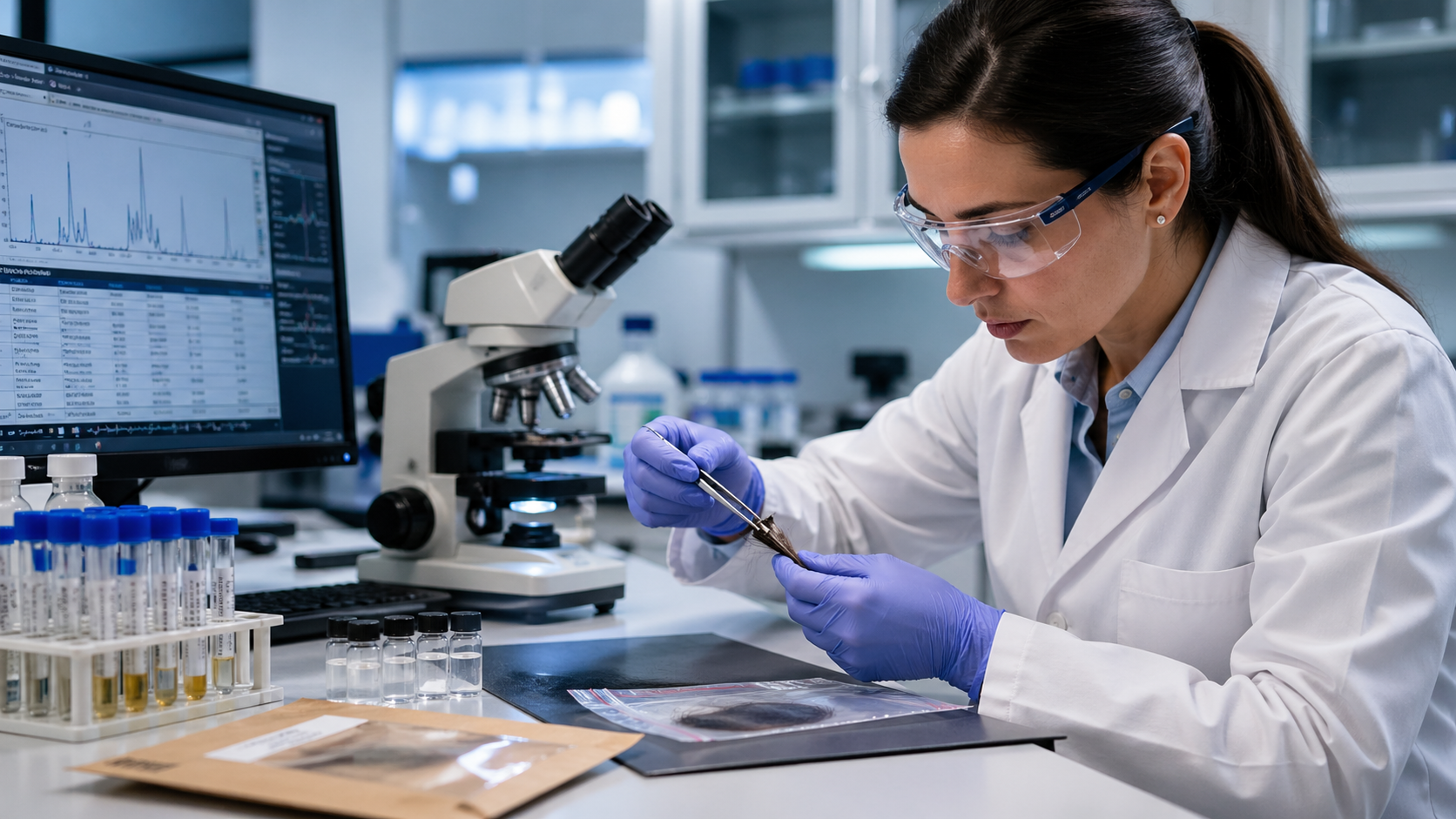
Hair follicle drug testing is a testing method that looks for signs of drug use in a person’s hair. Many people call it a hair drug test or hair follicle test. In many cases, the test does not pull out the hair’s root. Instead, the test administrator cuts a small hair sample close to the person’s scalp. This hair sample is then sent to a lab for hair analysis.
Lynk Diagnostics works with rehab facilities that require drug testing as part of patient care, recovery tracking, and treatment planning. Hair testing can help healthcare professionals see long term patterns of drug use. This is different from urine drug testing, oral fluid testing, or other drug tests that may show more recent drug use.
A hair follicle drug test can be useful when a treatment team needs a longer view of possible illicit drug use, prescription medications, or chronic drug use. It can also help when self reported drug use does not match what is found in objective testing.
How a Hair Drug Test Works
A hair drug test checks the hair shaft for drug metabolites. Drug metabolites are small chemical signs left behind after the body processes a specific drug. As hair grows, these signs may become part of the growing hair strand.
The Testing Process
The testing process is simple for most people. A test administrator collects a hair sample from the person’s head. Most labs use head hair from the back of the person’s head because it is easy to collect and less noticeable after cutting.
If there is not enough scalp hair, body hair may be used. Body hair can include hair from the arm, leg, chest, or other areas. Body hair may have a different detection window because hair growth rates vary from one person to another.
How Much Hair Is Needed?
Many hair specimens need about one half inch or more of hair, depending on the lab and the testing method. Some tests use about 1.5 inches of scalp hair to look back over a longer period. The exact amount depends on the drug classes being tested and the lab rules.
What Hair Testing Can Detect
Hair testing may be used to detect drug use from several drug classes. These may include illicit drug use, drug abuse, misuse of prescription medications, and long term drug patterns.
Drug Detection in Hair
Drug detection in hair can show past exposure to a drug. This may include an illicit drug, prescription medications taken without medical direction, or long term drug use. A hair follicle drug test is often used when a rehab facility needs more than a short-term view.
Hair follicle drug testing does not always show very recent drug use. That is because the hair must grow enough for drug metabolites to appear in the hair shaft. For very recent drug concerns, urine tests, urine samples, or oral fluid testing may be used along with hair testing.
Hair Drug Testing Results
Hair drug testing results may be negative, positive, or need more review. A negative result means the lab did not find the tested drug above the cutoff level. A positive result means the lab found signs of a specific drug or drug classes above the set level.
If there is a positive test result, confirmatory testing may be used. Confirmatory testing helps lower the chance of false positives or false positive results. A second test may also help support fair and clear results.
Hair Follicle Test vs. Urine Drug Testing
Hair follicle drug testing and urine drug testing are both common, but they are not the same. Each testing method has a different purpose.
Hair Testing Looks at Long Term Patterns
Hair testing is often used to look at long term patterns. It can help show chronic drug use or repeated drug use over time. This can be helpful in addiction treatment, recovery programs, and clinical planning.
The National Institute on Drug Abuse notes that drug testing can support health and public safety work. Drug testing is also used in research, treatment, and monitoring settings.
Urine Tests Look at More Recent Drug Use
Urine drug testing is often better for recent drug use. Urine samples can show if a person used certain substances in the recent past. A urine drug test may be used when a rehab facility needs fast information about current drug use.
Hair follicle drug testing may be better when the goal is to see a longer pattern. Urine tests may be better when the goal is to check for recent drug use. In some care plans, both types of drug test may be used.
Detection Window for Hair Follicle Drug Testing
The detection window is the time period when a test may find signs of drug use. Hair follicle drug testing often has a longer detection window than urine drug testing or oral fluid testing.
Why the Detection Window Is Longer
Hair grows slowly. As the hair grows, drug metabolites may become trapped in the hair shaft. This is why hair drug testing can show long term drug patterns. Some hair testing programs may look back up to about 90 days, based on the hair length used and the lab process. Quest Diagnostics states that hair testing can provide up to a 90-day drug use history.
Hair Growth Rates Vary
Hair growth rates vary. This means the detection window is not the same for every person. Hair growth rates can be affected by the person’s body, health, hair type, and where the hair comes from. Scalp hair and body hair may not show the same time frame.
Because hair growth rates vary, hair follicle drug testing should be read by trained healthcare professionals or lab staff. Test results should not be used alone without the full clinical picture.
Why Rehab Facilities Use Hair Follicle Drug Testing
Rehab facilities may use hair follicle drug testing to support treatment plans. Lynk Diagnostics helps rehab facilities use drug testing in a clear and careful way.
Objective Testing Supports Care
Objective testing gives treatment teams a biological measure. This means the test gives lab-based data instead of only self reported drug use. Self reported drug use can still be important, but people may forget, feel scared, or avoid sharing full details.
Hair testing can help compare self reported drug use with lab findings. This can support honest talks between patients and care teams.
Helping Track Chronic Drug Use
Chronic drug use means repeated or long term drug use. A hair follicle drug test can help detect drug patterns over time. This may be helpful for rehab centers, primary care patients, and healthcare professionals who are trying to understand a person’s needs.
Recanting and Hair Testing
Recanting and hair testing can be important in treatment, family law cases, or criminal investigations. Recanting means a person changes or takes back what they said before. For example, a person may first report drug use and later say it did not happen. Or they may deny drug use after first saying they used a drug.
When Self Reported Drug Use Changes
When self reported drug use changes, hair testing may offer another source of information. This does not mean the person is lying. Memory, fear, shame, legal stress, or family pressure can affect what a person says.
A hair follicle drug test may help provide objective testing when self reported drug information is unclear.
Why Results Must Be Handled Carefully
Hair drug testing results should be handled with care. A positive result may affect treatment plans, family law cases, workplace decisions, or criminal investigations. That is why confirmatory testing, careful collection, and trained review matter.
What Can Affect Hair Drug Testing Results
Hair drug testing results can be affected by several things. This is why testing should be done by trained professionals using a clear testing process.
Hair Treatments
Hair treatments may affect a hair sample. Bleaching, coloring, straightening, and other hair treatments may change the hair shaft. This does not always mean the test is wrong, but it may affect how the lab reviews the hair specimens.
Environmental Exposure
Environmental exposure may happen when drugs are in the air, on surfaces, or near a person’s hair. Environmental contamination is one reason labs may wash hair specimens before testing. The National Institute of Justice explains that hair testing can raise questions about drug use versus environmental contamination, so careful testing methods matter.
False Positives
False positives are possible in many types of drug testing. A false positive means the test shows a positive result even though the person did not use the drug. Confirmatory testing helps lower this risk.
False positive results can be harmful if they are not reviewed with care. This is why Lynk Diagnostics supports clear testing steps for rehab facilities.
Hair Follicle Drug Testing in Treatment Programs
Hair follicle drug testing can be part of a larger drug testing program. It should not be the only way to judge a person’s recovery.
Supporting Treatment Plans
A rehab facility may use hair follicle drug testing to help guide care. Test results can help teams update treatment plans, offer more support, or check if a person may need a higher level of care.
Not a Punishment Tool
Drug testing in rehab should not be used only as punishment. It should support healing, safety, and honest care. Hair follicle drug testing can help a treatment team understand what is happening and respond in a helpful way.
Hair Follicle Drug Testing for Different Settings
Hair follicle drug testing may be used in many settings. These include rehab programs, medical purposes, workplace programs, family law cases, and criminal investigations.
Rehab and Healthcare Settings
In rehab and healthcare settings, hair testing may help healthcare professionals understand long term drug patterns. It may help with people who are at moderate risk illicit drug use or who have signs of chronic drug use.
A general population sample may show different results than a group of drug users in treatment. This is why results must be read based on the person’s history, care setting, and reason for the test.
Workplace Accident and Safety Settings
Some jobs require drug testing after a workplace accident or as part of safety rules. However, hair testing may not be the best option for very recent drug use. Urine samples or oral fluid may be better for recent drug concerns.
SAMHSA says workplace drug testing programs should follow local, state, and federal laws, and it provides resources on federal testing forms and HHS Mandatory Guidelines.
Mandatory Guidelines and Lab Standards
Mandatory guidelines help labs and programs follow fair testing steps. These rules may cover collection, chain of custody, lab testing, confirmatory testing, and reporting.
Federal Hair Testing Guidance
HHS has proposed scientific and technical guidelines for adding hair specimens to federal workplace drug testing programs. The Federal Register notice explains proposed rules for hair specimens and lab standards.
Why Guidelines Matter
Guidelines matter because drug test results can affect a person’s job, care, legal case, or treatment plan. Clear rules help reduce mistakes, protect patients, and support fair decisions.
At Home Kits vs. Professional Testing
At home kits may be easy to buy, but they are not always the best choice for rehab facilities. A home kit may not have the same chain of custody, test administrator review, or confirmatory testing process.
Why Professional Testing Is Better for Rehab
A rehab facility needs results that are clear, fair, and useful for care. Professional testing can help make sure the hair sample is collected the right way. It can also help confirm a positive result before major decisions are made.
Overnight Testing and Fast Results
Some programs may ask about overnight testing. Fast testing can be helpful, but accuracy matters more than speed. A quick result should still follow a careful testing process. Lynk Diagnostics helps rehab facilities balance timely reporting with reliable testing.
What a Positive Result May Mean
A positive result means the lab found signs of a drug above the cutoff level. A positive test result does not always tell the full story.
It May Show Past Use
Hair follicle drug testing may show past drug use. It may not show exactly when the person used the drug, how much was used, or whether the person is currently impaired.
It Should Be Reviewed with Care
Healthcare professionals should review test results along with the person’s history, prescription medications, treatment goals, and other drug tests. A specific drug finding may need confirmatory testing or a second test before action is taken.
How Lynk Diagnostics Supports Rehab Facilities
Lynk Diagnostics is a drug testing center dedicated to rehab facility needs. We help treatment teams use drug testing in a clear and caring way.
Clear Collection and Testing Support
Lynk Diagnostics supports the full testing process, from collection to reporting. This includes hair follicle drug testing, urine drug testing, and other drug testing options that may fit the program’s needs.
Results That Support Recovery
Drug testing should help people move forward. Hair follicle drug testing can support better talks, better care plans, and better tracking of long term patterns. When used the right way, it can help rehab teams understand patient needs and improve support.
FAQs
What is hair follicle drug testing?
Hair follicle drug testing is a drug test that uses a hair sample to look for drug metabolites. It can help show long term drug use patterns.
How far back can a hair drug test detect drug use?
The detection window depends on hair length, hair growth rates, and the testing method. Many hair testing programs may look back up to about 90 days.
Can body hair be used for a hair follicle test?
Yes. If a person does not have enough head hair or scalp hair, body hair may be used. Body hair may have a different detection window because hair growth rates vary.
Can hair treatments affect test results?
Hair treatments like bleaching, dyeing, or chemical straightening may affect the hair shaft. Labs may review this during hair analysis.
Is a positive result always final?
No. A positive result may need confirmatory testing. A second test can help reduce the risk of false positives and support fair test results.
Resources