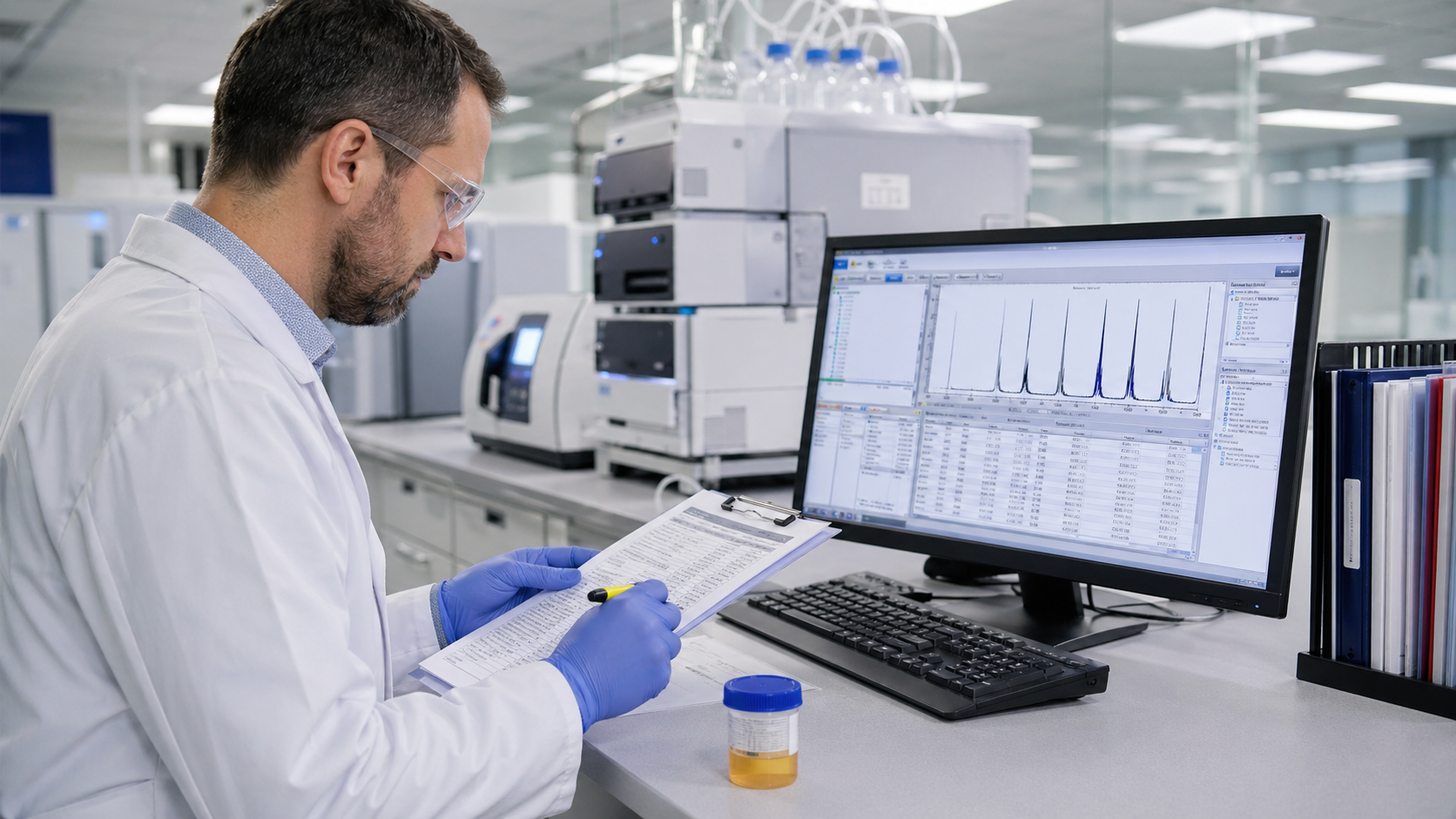
Confirmatory drug testing is a second test used to check a drug screen when the first result needs more proof. In many rehab settings, drug testing helps care teams understand drug use, prescription drug misuse, relapse risk, and treatment progress. But an initial test is not always the full answer. A screening test can show a positive result, but confirmation testing helps show if a specific substance or drug class is truly present.
Lynk Diagnostics works with rehab facility teams that need clear and trusted test results. In substance abuse treatment, the goal is not to shame a person. The goal is to support safe care, better choices, and a strong disorder treatment plan for people with a substance use disorder.
Drug testing can include urine drug tests, a blood test, oral fluid testing, and hair testing. Urine testing is one of the most common testing methods because a urine sample is easy to collect and can show drug metabolites from many common drugs. But when urine drug screening shows positive screening results, a confirmatory test may be needed before a final drug test result is used to guide care.
Why Confirmatory Drug Testing Matters
It Helps Reduce False Positive Results
False positive results can happen when a screening test reacts to something that is not the drug being looked for. This is called cross reactivity. For example, some over the counter medicines, prescription medicines, prescription medication, and even poppy seeds may affect certain urine screening results.
An initial screening test often uses immunoassay screening. This type of drug screen can give rapid results. Rapid results are helpful when a rehab team needs quick information. But fast does not always mean final. If a person has a test positive result, a second test can help check if the positive test results are accurate.
Confirmation testing is often done in a laboratory setting with advanced tools like mass spectrometry. This testing can look for individual drugs and drug metabolites with more detail. That helps lower the chance of false positives and supports fair care.
It Helps Find False Negative Results
A false negative can also happen. This means the test results say negative results, but a specific drug may still be present. False negative results may happen if the test was not made to detect a specific substance, if the cutoff level was too high, if the urine specimen was diluted, or if the wrong test was ordered.
Some synthetic opioids and other substances may not show up on basic at home drug tests or a simple drug screen. This is why a drug screening program should be built with the right testing methods for the drug supply seen in the community.
Screening and Confirmation: What Is the Difference?
The Initial Screening
The initial screening is the first step. It may be called the initial test, initial drug test, initial screening, or initial screening test. This test is often used to see if a urine drug sample may contain illicit drugs, prescription drugs, or other substances.
A screening test may group drugs by drug class. For example, it may look for opioids, benzodiazepines, stimulants, cannabis, or other common drugs. If the screening results are negative, the care team may not need a follow up test. If the screening results are positive, unclear, or do not match the client’s history, then a confirmatory test may be ordered.
The Confirmatory Test
A confirmatory test is more detailed. It looks for specific drugs instead of only a broad drug class. The second test can help show which substance was found, how the result should be read, and whether the first positive result was likely correct.
This is important in addiction treatment because test results may affect treatment plans, level of care, family trust, legal evidence, and clinical decisions. Screening and confirmation work together to help rehab teams make safer and more fair decisions.
Common Types of Drug Testing Used in Rehab
Urine Drug Tests
Urine drug tests are common in rehab because they are useful, simple, and cost-friendly. A urine sample can help show recent drug use. Urine drug testing may be used during intake, weekly check-ins, or random urine drug testing.
Urine drug screening can help detect drug metabolites. These are signs left behind after the body breaks down a drug. A urine drug test can help monitor substance abuse, drug abuse, prescription drug misuse, and use of illicit drugs.
Blood Test
A blood test may show more recent use. Blood testing is less common for routine rehab care because it is more invasive. But it can be used in urgent care, medical care, or a motor vehicle accident investigation when timing matters.
Oral Fluid
Oral fluid testing may help detect more recent drug use. It can be useful when direct observation is needed or when urine collection is hard. Some testing programs may use oral fluid when it fits the needs of the setting.
Hair Testing
Hair testing may show a longer window of drug use. It is not always best for recent use, but it can help when a rehab team needs a longer lookback period. Hair testing may be used along with urine testing when a fuller picture is needed.
When Rehab Centers May Need Confirmation Testing
When the Result Could Affect Care
A confirmatory drug testing step is helpful when the result could change a treatment plan. For example, a positive result may lead to more support, more therapy, a higher level of care, or a closer relapse prevention plan.
In a quality program, test results should not be used alone. A care team may also look at a physical examination, client interview, medication list, mental health history, and signs of withdrawal or relapse.
When a Client Denies Drug Use
Sometimes a person says they did not use a drug, but the initial drug test shows positive screening results. This can happen for many reasons. There may be false positives, laboratory errors, cross reactivity, or a prescription medication that explains the result.
A confirmatory test gives the team more facts before making decisions. This protects the client and helps the rehab facility follow a fair process.
When Legal Evidence Is Needed
Some test results may be used as legal evidence. This can happen in court cases, child custody matters, probation, workplace events, or a motor vehicle accident investigation. In these cases, confirmation testing is an essential component because the result may have serious effects.
Medical review officers may also review results in certain testing programs. They help decide if there is a valid medical reason for a positive result, such as a legal prescription.
Confirmatory Drug Testing and Workplace Programs
Drug Free Workplace Program Standards
A drug free workplace program often has strict rules. Federal law and federal guidelines may apply to some workers and settings. These rules help explain how a test conducted under a workplace program should be collected, tested, reviewed, and reported.
Workplace testing is different from rehab testing. In rehab, the focus is treatment and recovery. In a workplace program, the focus may include safety, policy, and job rules. Still, both settings need accurate test results.
Why Medical Review Officers Matter
Medical review officers can help review positive test results. They may check if prescription medicines or medical prescriptions explain the result. This matters because a person may test positive because of a valid prescription medication, not illegal drug use.
Drugs and Substances That May Need More Detailed Testing
Illicit Drugs and Specific Drugs
Confirmatory testing may be used for illicit drugs such as cocaine, methamphetamine, heroin, fentanyl, and other opioids. It may also help detect specific drugs within a drug class.
For example, a basic test may say “opioids,” but a confirmatory test may help show whether the finding points to morphine, codeine, oxycodone, fentanyl, or synthetic opioids. This matters because each specific substance may carry different risks.
Prescription Medicines and Misuse
Prescription medicines can be helpful when used as directed. But prescription drug misuse can be dangerous. Rehab teams may use drug testing to check for misuse of opioids, sedatives, stimulants, or other controlled medicines.
Confirmatory drug testing can help separate a valid prescription from possible misuse. It can also help detect other drugs that were not reported.
New and Changing Drug Supply
The drug supply can change fast. Synthetic opioids, designer substances, and other substances may appear in local communities. Basic tests may not detect every new drug. This is why drug checking and updated lab testing panels can matter in some settings.
How Confirmatory Testing Supports Better Treatment
It Builds Trust in Test Results
When a client is in recovery, trust matters. If a drug test result is wrong or unclear, it can harm trust between the client and the care team. Confirmatory testing helps make test results more dependable.
It also helps staff explain results in a calm way. Instead of saying, “You failed,” a care team can say, “Your screening test needs confirmation, and we will review the final result with you.”
It Helps Guide Treatment Plans
Drug testing is only one part of care, but it can help guide decisions. If a confirmatory test shows drug use, the team may adjust the treatment plan. This may include more counseling, medication support, relapse prevention, family therapy, or a higher level of care.
If the confirmatory test shows the initial screening was not accurate, the team can avoid unfair action. This is why screening and confirmation work best together.
It Supports Safety for Rehab Facilities
Rehab facilities need to keep clients safe. If a person is using fentanyl, benzodiazepines, alcohol, or other drugs, the care team needs to know. Some drug combinations can raise overdose risk. Accurate testing helps staff respond quickly and safely.
What Can Cause Confusing Drug Test Results?
Cross Reactivity
Cross reactivity happens when a test reacts with a substance that is similar to the target drug. This may happen with some over the counter medicines, prescription medication, or foods like poppy seeds.
Cutoff Level Issues
Every test has a cutoff level. If the amount is above the cutoff, the result may be reported as positive. If it is below the cutoff, it may be reported as negative. A cutoff level helps labs avoid reporting tiny amounts that may not be meaningful. But cutoff levels also mean that timing, dose, and test type matter.
Laboratory Errors
Laboratory errors are not common in a strong lab process, but they can happen. A mislabeled urine specimen, collection issue, or reporting error can affect a drug test result. Quality control in a laboratory setting helps lower this risk.
At Home Drug Tests
At home drug tests can be useful for simple checks, but they are not the same as a lab-based confirmatory test. They may give rapid results, but they may also miss specific drugs or show false positive results.
Best Practices for Rehab Drug Screening Programs
Use Clear Policies
A drug screening program should explain why testing is done, when it is done, what type of test may be used, and how results will be reviewed. Clear rules help clients feel safe and respected.
Use Random Testing When Needed
Random urine drug testing can help support accountability. It may also reduce the chance that a person plans drug use around testing days. Random testing should be used in a respectful way and tied to treatment goals.
Review Medications First
Before testing, the care team should ask about prescription medication, over the counter medicines, supplements, and recent medical care. This can help explain possible positive screening results.
Confirm Results Before Major Decisions
If positive test results could lead to major changes, confirmation testing should be considered. This is especially true when the client denies use, when the result is unexpected, or when legal evidence may be involved.
Keep the Focus on Recovery
Drug testing should support recovery, not punishment. The goal is to help people with substance use disorder stay safe, learn from setbacks, and keep moving forward.
Why Choose Lynk Diagnostics for Confirmatory Drug Testing?
Lynk Diagnostics is a drug testing center dedicated to rehab facility needs. Rehab programs need fast service, clear reports, and trusted testing methods. Lynk Diagnostics supports drug testing that helps clinical teams make better care decisions.
With confirmatory drug testing, rehab teams can better understand urine drug tests, urine screening results, drug metabolites, individual drugs, and specific substance findings. This helps reduce false positives, check false negative results, and support treatment planning.
For rehab centers, accurate testing is an essential component of safe care. It helps protect clients, staff, and the recovery process.
FAQs
What is confirmatory drug testing?
Confirmatory drug testing is a second test used to check an initial screening result. It can help show if a specific drug or drug metabolite is truly present.
Why is confirmation testing needed after a positive screening test?
A screening test can sometimes show false positives because of cross reactivity, over the counter medicines, prescription medicines, poppy seeds, or other substances. A confirmatory test gives a more detailed result.
Is a urine drug screen the same as a confirmatory test?
No. A urine drug screen is often the first step. It gives quick screening results. A confirmatory test is a follow up test that uses more advanced testing, such as mass spectrometry, to check for specific drugs.
Can confirmatory testing help with false negative results?
Yes. In some cases, a basic drug screen may miss a specific substance. More detailed testing methods may be needed if drug use is suspected but the initial test is negative.
How does confirmatory drug testing help rehab facilities?
It helps rehab teams trust the test results, guide treatment plans, support safety, reduce unfair actions, and make better choices for people in substance abuse treatment.
Resources