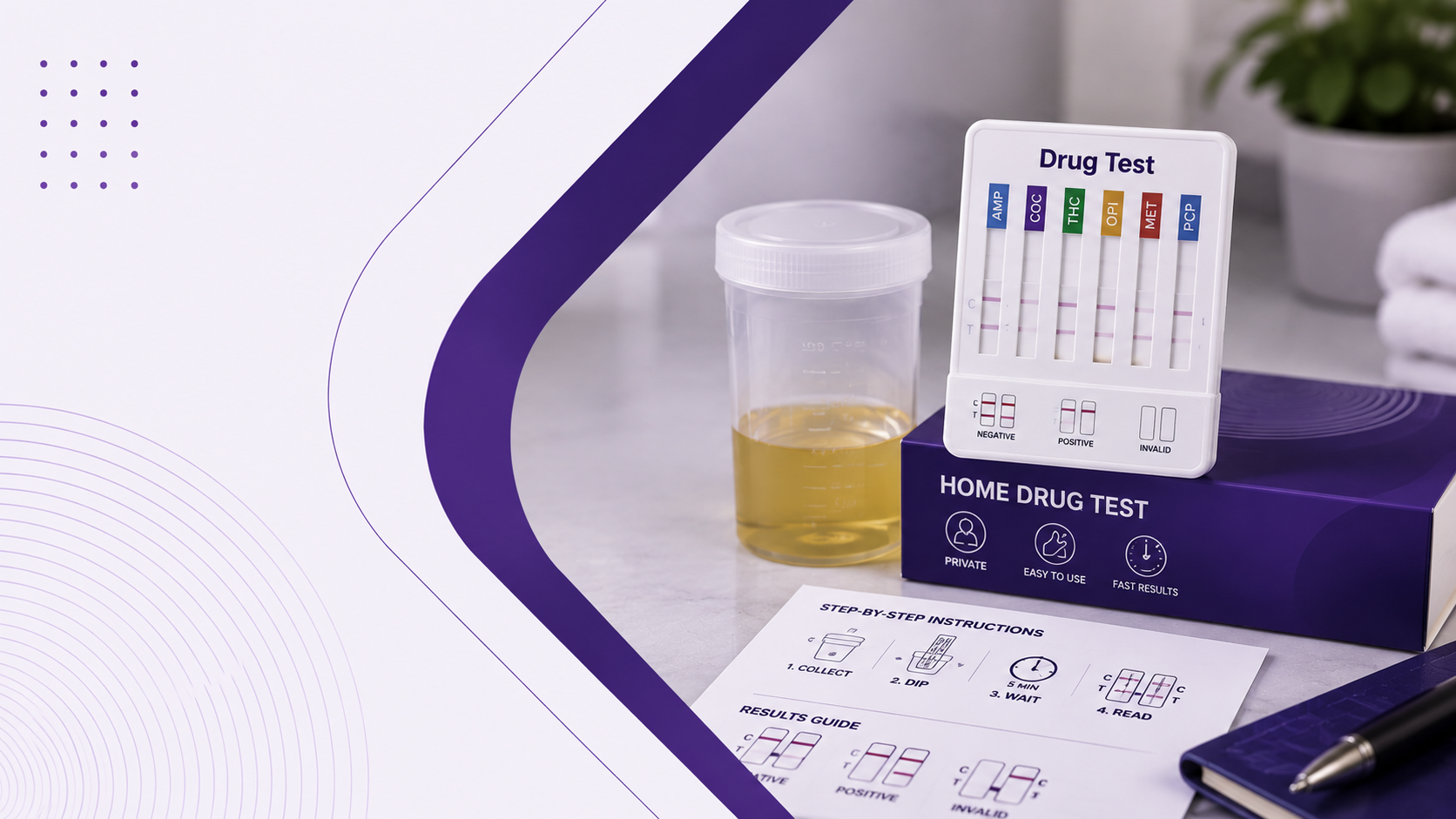
Today, many home drug tests are available online and in stores. These products offer a simple and quick way to screen for drugs and other substances. While at home drug tests can provide useful information, they are not always as dependable as professional lab tests.
At Lynk Diagnostics, we help rehab facilities and treatment programs with professional drug screening services. Understanding the strengths and limits of home testing can help you make informed decisions about your health and safety.
What Are Home Drug Tests?
Home drug tests are screening products designed to help identify the presence of certain drugs in the body. Most at home drug tests use a urine sample, but some use saliva or hair.
Many people choose home drug test kits because they are easy to use and provide immediate results. These test kits are often sold at a great price compared to professional testing.
Most at home tests screen for common substances such as:
Marijuana
Cocaine
Opiates
Amphetamines
Benzodiazepines
PCP
Many home drug test kits are approved or cleared by the FDA and include detailed instructions for proper use.
How Does a Home Drug Test Work?
Most home drug tests work by analyzing a sample of urine. During sample collection, the person provides a urine specimen that is placed on a test strip or inside a testing device.
The test searches for drug metabolites. These are substances left behind after the body processes drugs.
After the sample is applied, users wait a few minutes and then read results according to the manufacturer’s instructions.
Many test kits provide quick results, making them attractive for people who want answers without visiting a lab.
How Accurate Are Home Drug Tests?
The accuracy of home drug tests varies depending on the product, the user, and the testing conditions.
Many quality home drug tests can be highly accurate when used correctly. Some manufacturers report accuracy rates above 95%. However, the overall reliability of the test depends on several things.
Factors affecting accuracy include:
Following all instructions
Proper sample collection
The age of the test
The expiration date
The type of substances being screened
The quality of the sample
Environmental conditions
While many home drug tests provide useful screening information, professional lab tests generally provide more reliable results.
Why Lab Tests Are Often More Accurate
Professional lab tests use advanced technology that can better detect specific drugs and metabolites.
A certified lab follows strict quality standards. Each sample goes through careful handling and analysis. This process helps reduce errors and improve accuracy.
Unlike many at home drug tests, a professional lab can:
Identify a specific drug
Measure drug concentrations
Review questionable findings
Perform confirmatory testing
Provide documented test results
This is why treatment centers, courts, healthcare providers, and pre employment programs often rely on laboratory testing rather than only using home drug tests.
What Causes False Positives?
One concern with home drug tests is the possibility of false positives.
A false positive result happens when the test shows a person has used drugs even though they have not.
Several things can contribute to false positives, including:
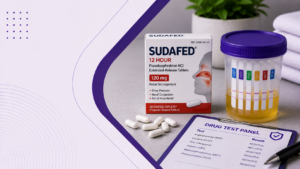
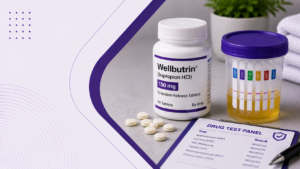
Certain medications
Some over-the-counter products
Testing errors
Improper handling of the sample
Misreading the test
For example, poppy seeds have occasionally been associated with unexpected positive findings for opiates. Certain foods and medications may affect some screening tests.
Because false positives can occur, a positive result should often be verified through confirmatory testing at a professional lab.
What Causes False Negatives?
Just as false positives can occur, false negatives are also possible.
A false negative happens when the test fails to detect drugs that are actually present.
Common causes of false negatives include:
Low drug concentrations
Testing too early
Expired test kits
Improper sample collection
User error
Some substances remain in the body for only a short period. If the test is taken outside the detection window, it may produce negative findings even when recent drug use occurred.
Because of these risks, confirmatory testing may be needed when results seem questionable.
Which Drugs Can Home Drug Tests Detect?
Most home drug tests are designed to detect common drugs associated with substance abuse and substance use.
Common screening panels may identify:
Marijuana
Cocaine
Opiates
Amphetamines
Methamphetamine
Benzodiazepines
Different kits may screen for different substances. Always review the product information before using a test.
Not every home drug test looks for every type of drug use, so understanding the panel is important.
Urine Drug Testing and Home Accuracy
Urine drug testing is the most common method used in home testing.
The popularity of urine drug testing comes from its convenience and affordability. A urine specimen is easy to collect, and many test kits can process the sample quickly.
However, the accuracy of urine drug testing depends heavily on proper handling.
Users should:
Follow all instructions
Use a clean sample
Check the expiration date
Store the test kits properly
Avoid contaminating the urine sample
When done correctly, many urine tests provide useful screening information, but professional lab tests still offer greater confidence.
Are Saliva and Hair Tests Reliable?
Besides urine tests, some home drug tests use saliva tests or hair tests.
Saliva tests are often used to identify recent drug use. These tests are easy to administer and can detect some substances shortly after use.
Hair tests work differently. A hair specimen can provide a longer detection window and may show patterns of ongoing substance use.
While hair tests and saliva tests can be useful, professional lab analysis often improves the overall reliability and accuracy of the findings.
Can Home Drug Tests Be Used for Rehab Monitoring?
Many families use home testing to help monitor substance use among loved ones.
In recovery settings, an abuse home use test may be used as an early screening tool. Some families use an abuse home testing approach to support accountability.
However, rehab facilities typically depend on professional laboratory testing because it offers more reliable and defensible test results.
At Lynk Diagnostics, we help treatment programs obtain professional testing solutions that support recovery and accountability.
What Happens After a Positive Result?
A positive finding on a home drug test does not always mean the final answer is known.
If someone receives a positive test or positive result, the next step is often confirmatory testing.
A certified lab can confirm whether the detected substances are truly present.
This additional review helps reduce the risk of false positives and provides more dependable test results.
If a person may test positive due to medications or unusual circumstances, a professional lab review becomes even more important.
Tips for Getting Accurate Results
To improve the chances of obtaining accurate results, follow these best practices:
Read All Instructions Carefully
Every test is different. Follow the included instructions exactly as written.
Check the Expiration Date
Using expired kits may reduce accuracy and increase the risk of errors.
Use Proper Sample Collection
Correct sample collection helps ensure the sample is valid and usable.
Store Test Kits Correctly
Heat, moisture, and improper storage can affect test kits.
Consider a Second Test
If results seem unusual, a second test may provide additional information.
Confirm Positive Findings
A professional lab can confirm a positive test through confirmatory testing.
Cost Comparison Between Home and Lab Testing
One reason people choose home drug tests is the lower cost.
Many home drug test kits are available at a reasonable list price. They are often less expensive than professional lab tests.
However, the lower cost may come with tradeoffs in accuracy, documentation, and overall reliability.
For important situations involving employment, treatment programs, or legal matters, professional lab services often provide greater value.
Why Choose Lynk Diagnostics?
Lynk Diagnostics specializes in drug testing solutions for rehab facilities and treatment providers.
We understand that home drug tests can be useful screening tools. However, when accurate and documented results matter, professional lab tests remain the gold standard.
Our services help:
Detect a wide range of drugs
Review complex test results
Confirm screening findings
Support recovery programs
Improve testing reliability
Whether you are reviewing drug use, monitoring recovery, or verifying screening outcomes, Lynk Diagnostics provides trusted testing support.
Conclusion
Home drug tests offer a convenient way to screen for drugs and other substances. They provide fast answers and can be helpful for personal monitoring. However, the overall accuracy of these tests depends on many factors, including proper use, product quality, and timing.
While many at home drug tests are reasonably accurate, they are not perfect. False positives and false negatives can occur. For the most dependable results, professional lab tests and confirmatory testing remain the preferred option.
If you need trusted testing services, Lynk Diagnostics provides professional solutions designed to support treatment programs and recovery success.
FAQs
How accurate are drug tests at home?
Most quality home drug tests are fairly accurate when used correctly. However, professional lab tests usually offer higher accuracy and better verification.
Can poppy seeds cause a positive drug test?
In some cases, poppy seeds may affect certain screening tests and contribute to positive findings for opiates. A professional lab can help verify results.
How often do false positives happen?
False positives are not common, but they can happen. Medications, testing errors, and other factors may contribute to incorrect results.
Are home drug tests approved by the FDA?
Many home drug tests sold in the United States are reviewed by the FDA or meet applicable standards. Always review product information before purchase.
Should I confirm a positive result with a lab?
Yes. If you receive a positive result, professional confirmatory testing through a certified lab is frequently recommended to ensure accurate identification of the substances present.
Resources
For more information about drug testing, home testing products, and laboratory confirmation methods, review the following trusted resources:
U.S. Food and Drug Administration (FDA) – Home Use Tests
https://www.fda.gov/medical-devices/home-use-testsSubstance Abuse and Mental Health Services Administration (SAMHSA) – Drug Testing
https://www.samhsa.gov/workplaceNational Institute on Drug Abuse (NIDA) – Drug Testing
https://nida.nih.gov/publications/drugfacts/drug-testingCenters for Disease Control and Prevention (CDC) – Substance Use and Overdose Prevention
https://www.cdc.gov/overdose-preventionMedlinePlus – Drug Screening
https://medlineplus.gov/lab-tests/drug-screening