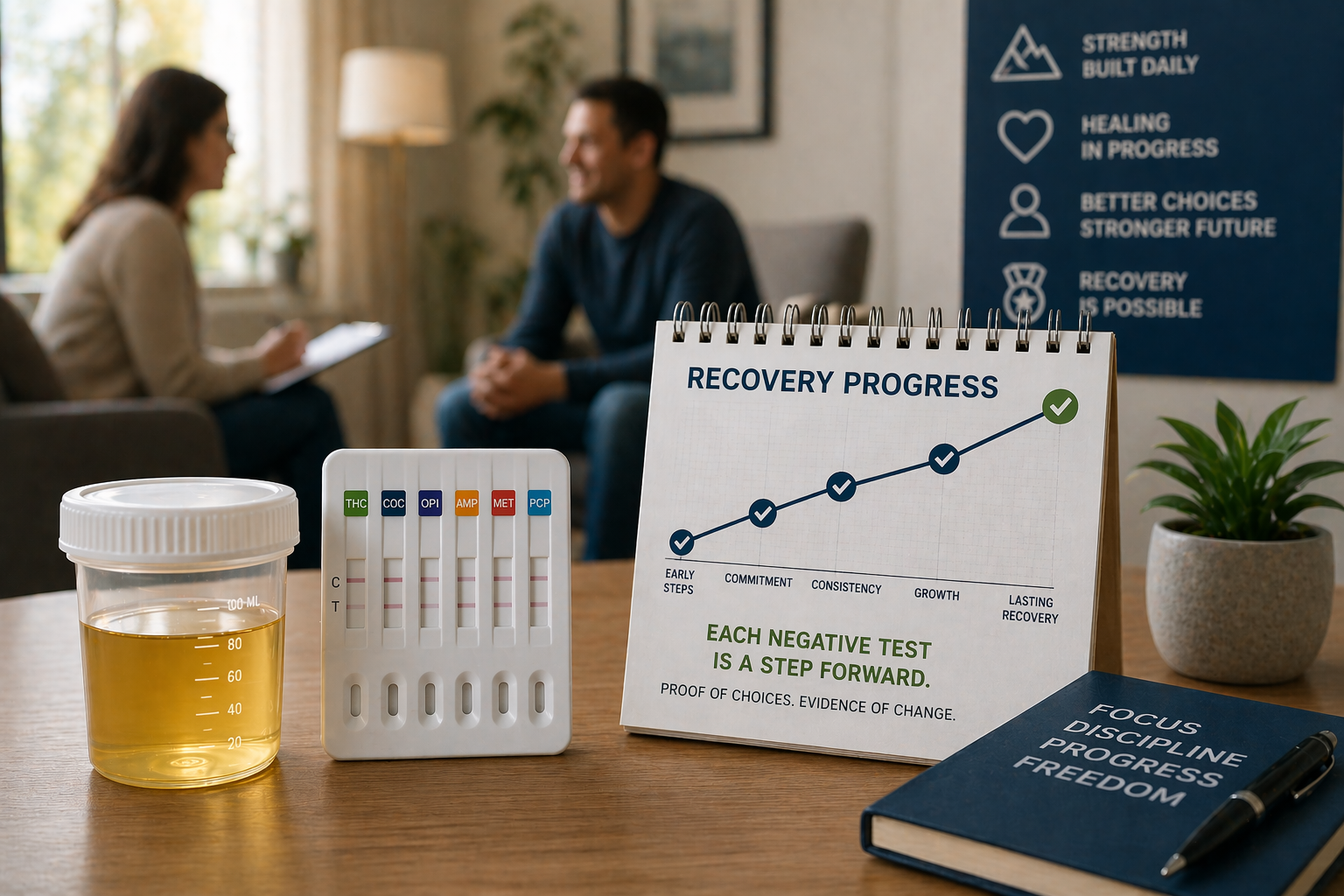
Understanding why consistency matters in rehab drug testing programs is essential for anyone involved in addiction treatment. Consistency helps create structure, builds trust, and supports long term recovery. When drug testing is done the same way each time, it gives clear and reliable results. This helps healthcare providers and treatment providers make better clinical decisions.
Drug testing is not just about checking for substance use. It is part of a bigger recovery plan. It helps patients stay focused, supports accountability, and improves outcomes. Programs that follow the same standards and use consistent practices can better support recovery and promote lasting change.
How Drug Testing Supports Recovery
Drug testing plays a key role in substance use disorder treatment. It helps track progress and shows whether a patient is following their treatment plan. When testing is done regularly and fairly, it becomes a tool for growth instead of fear.
Consistency in drug testing helps patients feel safe. They know what to expect, which reduces anxiety and confusion. This clarity ensures that everyone is working toward the same recovery goals.
Building Accountability and Trust
Staying consistent with drug testing builds accountability. Patients understand that their progress is being monitored in a fair and supportive way. This helps build trust between patients and clinicians.
Trust is essential in behavioral health treatment. When patients trust their care team, they are more likely to stay engaged in treatment programs and follow their recovery plan.
Supporting Healthy Habits
Consistent drug testing encourages healthy habits. Patients learn to avoid substance use and focus on their well being. Over time, this helps them build routines that support sustained recovery.
The Role of Consistency in Treatment Plans
Treatment plans are designed to meet individual needs. But without consistency, it is hard to measure progress. Drug testing provides objective data that shows how a patient is doing over time.
When testing is consistent, healthcare providers can see patterns. They can identify risks early and adjust treatment strategies as needed. This leads to better outcomes and improved patient care.
Continuous Monitoring for Better Outcomes
Continuous monitoring is a key part of addiction treatment. It helps catch relapse early and allows for quick intervention.
Consistent drug testing gives real time data that supports early intervention. This helps prevent small setbacks from becoming bigger challenges.
Improving Clinical Decisions
Clinical decisions depend on accurate information. When drug testing is done consistently, the results are more reliable.
This allows clinicians to make informed choices about medication assisted treatment, counseling, and other services. It also helps ensure compliance with treatment programs and standards.
Why Consistency Helps Prevent Relapse
Relapse is a common part of the recovery journey. But consistent drug testing can reduce the risk.
When patients know they will be tested regularly, they are more likely to stay on track. This creates a sense of accountability and focus.
Early Detection of Substance Use
Consistent testing helps detect substance use early. This allows treatment providers to respond quickly and provide support.
Early intervention is critical in disorder treatment. It helps protect the patient’s health and supports long term recovery.
Reducing Risk Factors
There are many factors that can lead to relapse, including stress, anxiety, and depression. Consistent drug testing helps identify these risks and address them before they become serious problems.
Supporting Mental Health and Well Being
Substance use disorders often go hand in hand with mental illness. Conditions like anxiety and depression can make recovery more challenging.
Consistent drug testing supports mental health by providing structure and stability. It helps patients stay focused on their recovery journey and avoid triggers.
A Holistic Approach to Care
Behavioral health services often use a holistic approach. This means treating the whole person, not just the addiction.
Consistent drug testing works alongside counseling, medication assisted treatment, and other services to support overall well being.
Promoting Compassionate Care
Compassionate care is an important part of recovery. Consistent practices help ensure that all patients are treated fairly and with respect.
This builds trust and encourages patients to stay engaged in their treatment programs.
The Importance of Standardized Practices
Using the same standards for drug testing is essential. It ensures fairness and accuracy across all patients.
Standardized practices also help treatment providers maintain compliance with regulations and guidelines.
Ensuring Fairness for All Patients
Consistency means that every patient is treated the same way. This is especially important for underserved populations who may already face barriers to care.
Fair and consistent testing helps create a supportive environment where everyone has the same chance at recovery.
Leveraging Technology for Better Results
Modern drug testing programs use advanced tools and technology. These tools provide real time data and improve accuracy.
Leveraging technology helps ensure that testing is consistent and reliable. It also supports better clinical decisions and improved outcomes.
How Consistency Promotes Collaboration
Recovery is a team effort. It involves patients, clinicians, counselors, and other healthcare providers.
Consistent drug testing promotes collaboration by providing clear and shared information. Everyone can see the same results and work together to support the patient.
Communication Between Providers
Clear communication is key to effective treatment. Consistent testing provides a common language for discussing progress and challenges.
This helps treatment providers coordinate care and improve outcomes.
Aligning Recovery Goals
When everyone is working with the same data, it is easier to align recovery goals. This ensures that all aspects of the treatment plan are working together.
The Connection Between Consistency and Long Term Recovery
Long term recovery requires commitment and ongoing support. Consistency in drug testing plays a big role in this process.
It helps patients stay accountable, track their progress, and build confidence in their recovery journey.
Supporting Sustained Recovery
Sustained recovery means maintaining progress over time. Consistent drug testing helps reinforce positive behaviors and prevent relapse.
It also provides a clear picture of how the patient is doing, which supports ongoing adjustments to the treatment plan.
Encouraging Growth and Lasting Change
Recovery is about more than stopping substance use. It is about growth and lasting change.
Consistent practices help patients develop the skills and habits they need for a healthy life.
Why Lynk Diagnostics Supports Consistency
Lynk Diagnostics understands the importance of consistency in rehab drug testing programs. As a trusted partner for treatment centers, Lynk Diagnostics provides reliable and accurate drug testing services.
Their approach focuses on supporting recovery, improving outcomes, and promoting compassionate care. By delivering consistent results, they help treatment providers make informed decisions and support patients on their recovery journey.
Challenges Without Consistency
Without consistency, drug testing programs can face many challenges.
Results may be unreliable, making it harder to track progress. Patients may feel confused or unfairly treated. This can lead to a lack of trust and lower engagement in treatment.
Increased Risk of Relapse
Inconsistent testing can create gaps in monitoring. This increases the risk of relapse and makes it harder to provide early intervention.
Difficulty Measuring Progress
Without consistent data, it is difficult to measure progress. This can affect treatment plans and reduce the effectiveness of behavioral health treatment.
Strategies for Staying Consistent
Consistency does not happen by accident. It requires clear strategies and commitment from the entire care team.
Setting Clear Expectations
Patients should know what to expect from drug testing. Clear rules and schedules help reduce confusion and anxiety.
Using Standard Procedures
Following the same procedures each time ensures accuracy and fairness. This includes using the same testing methods and protocols.
Providing Ongoing Support
Ongoing support is essential for recovery. This includes counseling, education, and regular check-ins with healthcare providers.
The Bigger Picture of Recovery
Consistency in drug testing is just one part of a larger recovery process. It works alongside other elements of addiction treatment to support the patient’s overall health and well being.
By focusing on consistency, treatment programs can create a stable and supportive environment. This helps patients build confidence, stay motivated, and achieve their recovery goals.
FAQs
Why consistency matters in rehab drug testing programs?
Consistency matters because it provides reliable data, supports accountability, and helps healthcare providers make better decisions. It also builds trust and supports long term recovery.
How does drug testing help support recovery?
Drug testing helps track progress, detect substance use early, and support treatment plans. It encourages patients to stay focused and avoid relapse.
Can consistent drug testing improve outcomes?
Yes, consistent testing leads to better outcomes by providing accurate information, supporting early intervention, and improving clinical decisions.
Does drug testing help with mental health?
Yes, it supports mental health by providing structure and stability. It helps patients manage anxiety, depression, and other behavioral health challenges.
What role do treatment providers play in consistency?
Treatment providers ensure that drug testing is done fairly and consistently. They use the results to guide treatment and support the patient’s recovery journey.
Resources
Substance Abuse and Mental Health Services Administration (SAMHSA)
Centers for Disease Control and Prevention – Substance Use