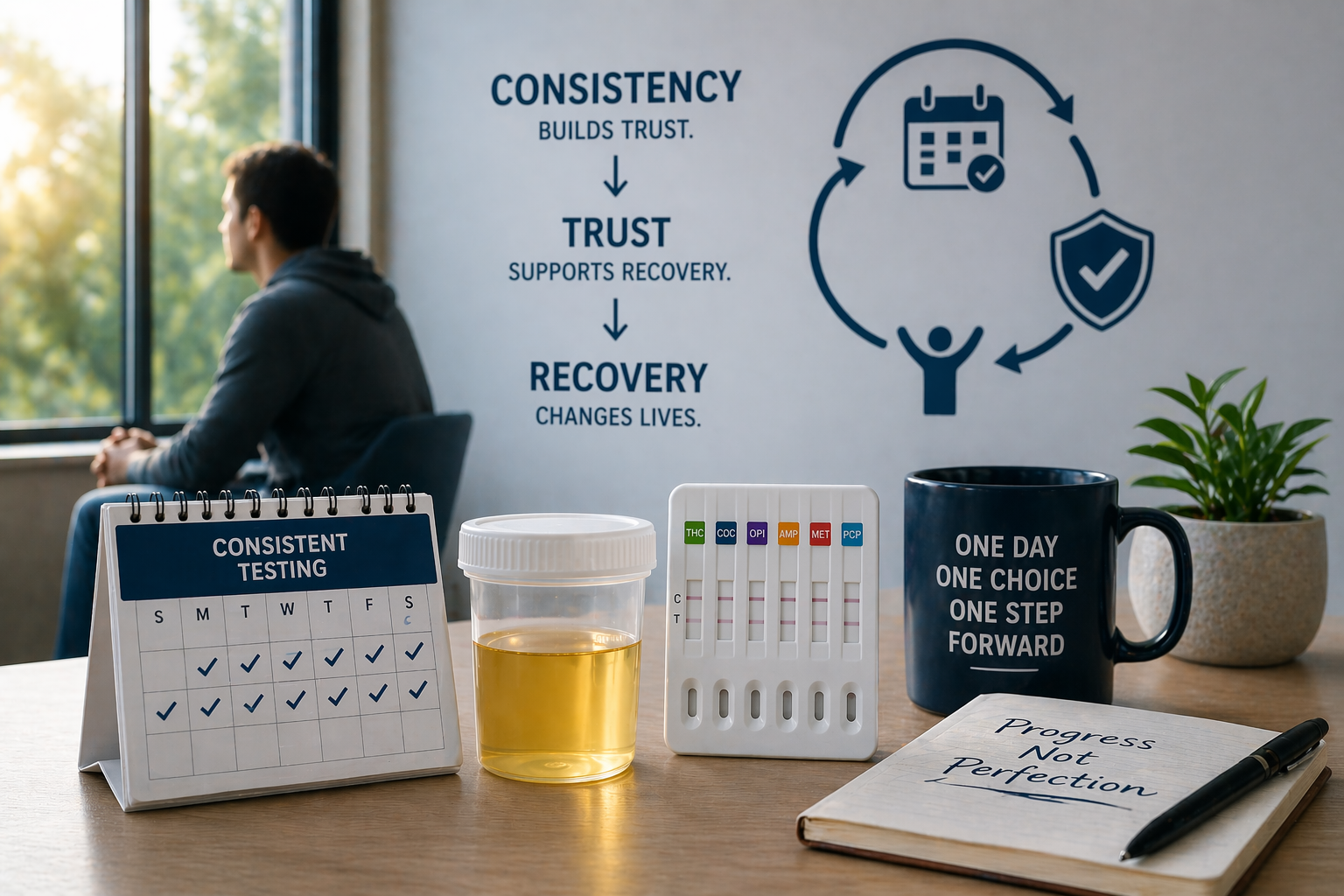
Recovery from addiction is a long journey. It affects millions of people and their loved ones every year. One of the most helpful tools in this journey is drug testing. Many people ask how drug testing helps validate progress in addiction recovery. The answer is simple. Drug testing gives clear proof of positive changes and helps both patients and care teams monitor progress.
Drug testing is used in substance abuse treatment and addiction treatment programs across the country. It plays a crucial role in helping people stay sober, avoid relapse, and build a strong future. With help from providers like Lynk Diagnostics, testing becomes a reliable part of professional medical care and recovery support.
Why Drug Testing Is an Important Tool in Recovery
Drug testing is an important tool because it gives real, objective data. It shows if someone has used drugs or alcohol in the recent past. This helps treatment teams determine the best next steps in care.
In substance abuse recovery, honesty is important, but it can be hard. Drug testing promotes accountability. It helps people stay focused on their recovery journey. It also provides peace of mind for families and support groups.
Drug testing also helps with early detection. If a relapse happens, care teams can act fast. This can prevent bigger problems and provide additional support when it is needed most.
How Drug Testing Supports Substance Abuse Treatment
Drug testing is a key part of many treatment programs. It is used during addiction screening and throughout the recovery process. This helps track a patient’s progress over time.
In substance abuse treatment, drug testing supports:
Monitoring progress
Adjusting the treatment plan
Supporting mental health care
Preventing relapse
Building trust between patients and providers
The Mental Health Services Administration and the National Institute on Drug Abuse both highlight the importance of testing in treating substance use disorders.
Types of Drug Testing Methods Used in Recovery
Different testing methods are used to detect specific drugs and certain substances. Each method has its own purpose.
Urine Tests
Urine testing is the most common method. A urine sample can show recent drug use. Urine drug testing is fast, cost-effective, and widely used in treatment services.
Oral Fluid Testing
Oral fluid testing uses saliva to detect drugs. It is easy to use and provides rapid results. It is helpful for detecting recent drug use within a short window.
Hair Follicle Testing
Hair follicle testing looks at long-term drug use. It can show patterns over weeks or months. This helps providers understand a person’s full recovery journey.
Presumptive Drug Tests and Confirmatory Test
Presumptive drug tests give quick results. If a test shows a positive result, a confirmatory test is done in a lab. This ensures accuracy and avoids false positives.
Understanding Drug Test Results in Addiction Treatment
Drug test results are a key part of addiction treatment. They help providers see what is really happening.
A positive drug test does not mean failure. It is a signal that more support may be needed. A test shows if drugs, alcohol, or controlled substances are present in the body.
Lab results help providers determine:
If a patient is staying sober
If prescription medicines are being used correctly
If there are concerns about relapse
If changes are needed in the treatment plan
Laboratory results from Lynk Diagnostics provide clear and accurate information. This helps guide safe and effective care.
How Drug Testing Helps Monitor Progress
One of the biggest benefits of drug testing is the ability to monitor progress. Regular drug testing helps track a patient’s progress over time.
Each test result tells a part of the story. When results show no drug use, it is positive reinforcement. It shows that recovery is working.
If tests positive results appear, it helps care teams respond quickly. This allows for tailoring treatment plans to better meet the patient’s needs.
Promotes Accountability and Positive Changes
Drug testing promotes accountability. When people know they will be tested, they are more likely to stay focused on recovery.
This does not mean punishment. Instead, it creates a supportive environment where patients feel guided and supported.
Positive changes are easier to maintain when there is structure. Drug testing provides that structure and helps people stay on track.
Tailoring Treatment Plans for Better Outcomes
Every person is different. Substance use disorders affect people in unique ways. That is why treatment plans must be flexible.
Drug testing helps providers adjust care based on real data. If drug use is detected, providers can add more support, therapy, or medication.
If results show progress, the treatment plan can be updated to reflect growth. This helps improve patient outcomes and supports lasting recovery.
Addressing False Positives and Accuracy
Sometimes, test results may show a positive result even if no drugs were used. This is called a false positive.
False positives can happen due to:
Over the counter medicines
Prescription medicines
Certain foods or substances
To avoid mistakes, confirmatory tests are used. These lab tests provide accurate results and ensure fair treatment.
The Role of Drug Testing in Mental Health and Recovery
Addiction and mental health often go hand in hand. Many people in recovery also need support for mental health conditions.
Drug testing helps ensure that treatment is working for both substance use and mental health. It supports safe medication use and helps avoid harmful drug interactions.
This leads to better overall care and improved recovery outcomes.
Supporting People in Recovery and Their Loved Ones
Drug testing is not just for patients. It also helps loved ones feel more confident in the recovery process.
Families often have concerns about relapse. Regular drug testing provides clear answers and reduces stress.
It also helps build trust. When patients see their progress in test results, it can boost confidence and motivation.
Drug Testing in a Supportive Environment
Drug testing works best when it is part of a supportive environment. It should never feel like punishment. Instead, it should be seen as a helpful tool.
Treatment centers and providers like Lynk Diagnostics focus on care, respect, and accuracy. They help create a safe space where people can heal.
Support groups and counseling also play a big role. Together, these tools provide a strong foundation for recovery.
The Crucial Role of Medically Necessary Testing
Medically necessary testing is used to protect patient health. It ensures that drug and alcohol use is properly monitored during treatment.
This type of testing is guided by medical standards and helps providers deliver the best care possible. It is an essential part of addiction recovery.
Drug Testing and Long-Term Recovery Success
Lasting recovery takes time. It is not a quick fix. Drug testing supports long-term success by helping patients stay accountable and focused.
Regular drug testing helps people:
Stay sober
Avoid relapse
Build healthy habits
Gain confidence in their progress
Over time, this leads to stronger outcomes and a better quality of life.
Workplace Policies and Recovery
Some people in recovery must follow workplace policies that include drug testing. This can add another layer of accountability.
While this may feel stressful, it can also provide extra support. It encourages people to stay committed to their recovery goals.
How Lynk Diagnostics Supports Recovery
Lynk Diagnostics is dedicated to helping rehab centers and treatment programs succeed. Their advanced testing methods provide fast and accurate results.
With reliable lab results, providers can make informed decisions. This improves patient care and supports the recovery process every step of the way.
FAQs About Drug Testing in Addiction Recovery
How does drug testing help validate progress in addiction recovery?
Drug testing shows clear proof of whether someone has used drugs or alcohol. It helps track progress and supports better treatment decisions.
What happens if someone tests positive during treatment?
A positive result does not mean failure. It helps providers determine what additional support is needed to help the patient stay on track.
Are drug test results always accurate?
Most tests are accurate, especially when confirmatory tests are used. These help avoid false positives and ensure reliable results.
How often are drug tests done in recovery programs?
Testing frequency depends on the treatment program. Many programs use regular drug testing to monitor progress and provide support.
Can medications affect drug test results?
Yes, prescription medicines and over the counter medicines can affect results. That is why providers review all medications before testing.
Resources
Substance Abuse and Mental Health Services Administration (SAMHSA)
Centers for Disease Control and Prevention (CDC) – Substance Use