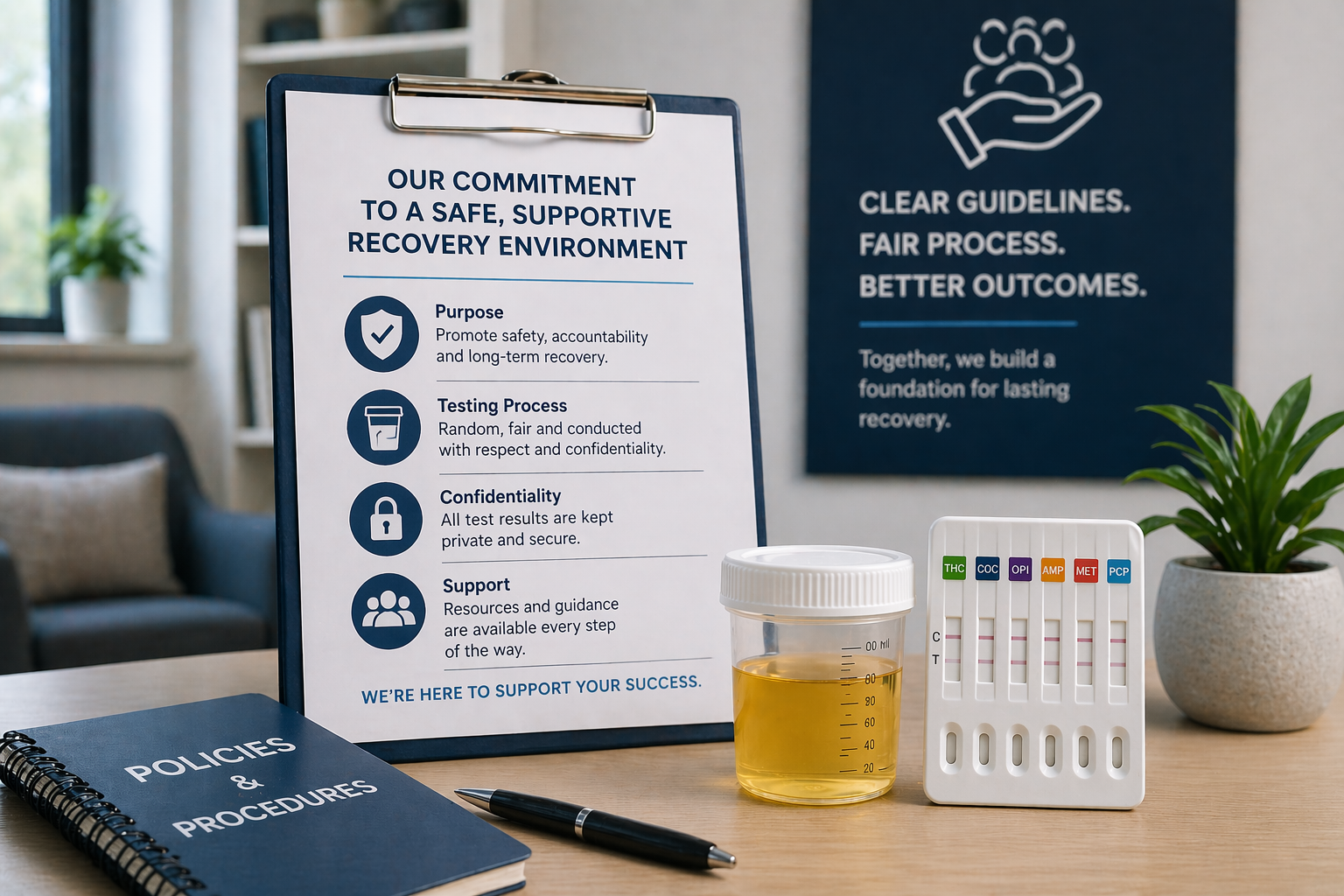
The role of clear drug testing guidelines in treatment programs is very important. These guidelines help doctors, labs, and treatment teams understand how to test for drug use in a safe and fair way. When drug testing rules are clear, patients feel more supported, and treatment becomes more effective.
In addiction medicine, drug testing is used to track substance use, support recovery, and guide treatment plans. Without clear guidelines, testing can be confusing or even lead to wrong results. That is why programs like those supported by Lynk Diagnostics focus on accurate, consistent, and ethical testing.
Clear rules help everyone know what to expect. This builds trust and improves patient care.
Why Drug Testing Matters in Substance Abuse Treatment
Drug testing is a key part of substance abuse treatment. It helps identify substance use disorder and supports recovery over time. Testing gives real evidence about what is happening in the body.
Supporting Addiction Identification
Drug testing helps with addiction identification by detecting drugs and drug metabolites in a biological sample. This can include urine, saliva, blood, or oral fluid. These tests help confirm if substances like heroin, fentanyl, cocaine, or amphetamines are present.
Improving Patient Care
When test results are clear and reliable, healthcare providers can adjust treatment plans. This improves patient care and supports long term recovery. It also helps track progress and reduce risk.
Types of Drug Testing Used in Treatment Programs
There are different types of drug testing used in treatment programs. Each one has a purpose and follows specific guidelines.
Presumptive Drug Tests
Presumptive drug tests are screening tests. They are often the first step in testing. These tests are quick and can detect the presence of drugs in urine samples or saliva.
However, a presumptive test can sometimes show a false positive. This means the test says a drug is present when it is not. That is why confirmatory testing is needed.
Confirmatory Test and Definitive Testing
A confirmatory test is more detailed. It uses laboratory testing to confirm the presence of specific drugs. This is also called definitive testing.
These tests are more accurate and help confirm results from screening tests. They are critical for making medical decisions and documenting results.
Urine, Blood, and Oral Fluid Testing
Drug testing can use different types of biological samples:
Urine tests are the most common
Blood tests show current drug levels
Oral fluid and saliva tests are easy to collect
Each method has its own detection window and purpose.
The Importance of Clear Testing Guidelines
Clear drug testing guidelines help ensure that all testing is done the right way. This includes how samples are collected, how tests are performed, and how results are used.
Reducing Errors and False Positives
Guidelines help reduce errors like false positives. They explain how to handle environmental exposures and medications that may affect results. This protects patients from wrong diagnosis or treatment changes.
Ensuring Accurate Laboratory Results
Clear rules help labs follow proper procedures. This ensures that laboratory results are accurate and reliable. Labs must follow strict standards when conducting analysis.
Supporting Fair Treatment
Guidelines make sure all patients are treated fairly. Everyone follows the same testing process. This builds trust and supports better recovery outcomes.
How Drug Testing Supports Treatment Plans
Drug testing plays a big role in shaping treatment plans. It provides information that helps guide decisions.
Monitoring Progress in Recovery
Test results show if a patient is staying drug-free. This helps track progress and adjust treatment when needed. It also helps identify risks early.
Assisting Medication Monitoring
Drug testing helps with medication monitoring. It ensures that therapeutic drugs are being used correctly. It also checks for misuse or absence of prescribed medications.
Providing Evidence for Clinical Decisions
Drug testing provides evidence that supports clinical decisions. Healthcare providers use this data to inform care and improve outcomes.
The Role of Labs and Laboratory Testing
Laboratory testing is a key part of drug testing programs. Labs perform detailed analysis on samples to detect drugs and metabolites.
Ensuring Quality and Accuracy
Labs follow strict guidelines to ensure quality. This includes handling samples correctly and using advanced testing methods.
Detecting Specific Drugs
Laboratory testing can detect specific drugs like opioids, cocaine, and synthetic cannabinoids. This helps provide a clear picture of substance use.
Supporting Documentation and Compliance
Labs provide documentation of test results. This is important for treatment programs and regulatory compliance.
Addressing Common Concerns in Drug Testing
Patients often have concerns about drug testing. Clear guidelines help address these concerns.
Privacy and Safety
Drug testing programs must protect patient privacy. Guidelines ensure that patient information is handled safely and securely.
Understanding Test Results
Patients need help understanding test results. Healthcare providers explain what the results mean and how they affect treatment.
Handling Self Report vs Testing
Sometimes patients may report substance use. Drug testing helps confirm or clarify self report information. This ensures accurate diagnosis and care.
The Role of Lynk Diagnostics in Drug Testing Programs
Lynk Diagnostics plays an important role in supporting treatment programs. They provide reliable drug testing services designed for rehab facilities.
Their approach focuses on:
Accurate laboratory testing
Clear reporting of test results
Support for addiction medicine programs
By following strict guidelines, Lynk Diagnostics helps improve patient care and recovery outcomes.
How Clear Guidelines Improve Recovery Outcomes
Clear drug testing guidelines lead to better recovery outcomes. They ensure that testing is consistent, fair, and accurate.
Building Trust with Patients
When patients understand the testing process, they feel more comfortable. This builds trust and improves engagement in treatment.
Reducing Risk and Improving Safety
Clear guidelines reduce risk by preventing errors and ensuring proper testing. This improves safety for patients and providers.
Supporting Long-Term Recovery
Accurate testing helps support long-term recovery. It provides the information needed to adjust treatment and keep patients on track.
FAQs About Drug Testing Guidelines in Treatment Programs
What is the role of drug testing in treatment programs?
Drug testing helps detect substance use, monitor progress, and guide treatment plans. It provides evidence for clinical decisions and supports recovery.
What is the difference between presumptive and confirmatory tests?
Presumptive tests are quick screening tests, while confirmatory tests are more detailed and accurate. Confirmatory tests verify the results of screening tests.
Why are clear drug testing guidelines important?
Clear guidelines ensure accurate testing, reduce errors, and support fair treatment. They help improve patient care and recovery outcomes.
What types of samples are used in drug testing?
Common samples include urine, blood, and oral fluid. Each type has different uses and detection windows.
Can drug tests produce false positives?
Yes, false positives can happen. That is why confirmatory testing is important to verify results and ensure accuracy.
Resources
Substance Abuse and Mental Health Services Administration (SAMHSA)
Centers for Disease Control and Prevention (CDC) – Drug Overdose