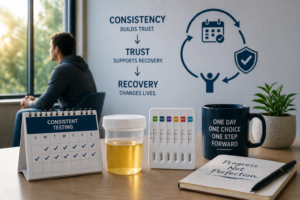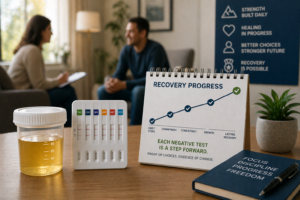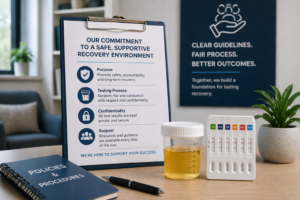
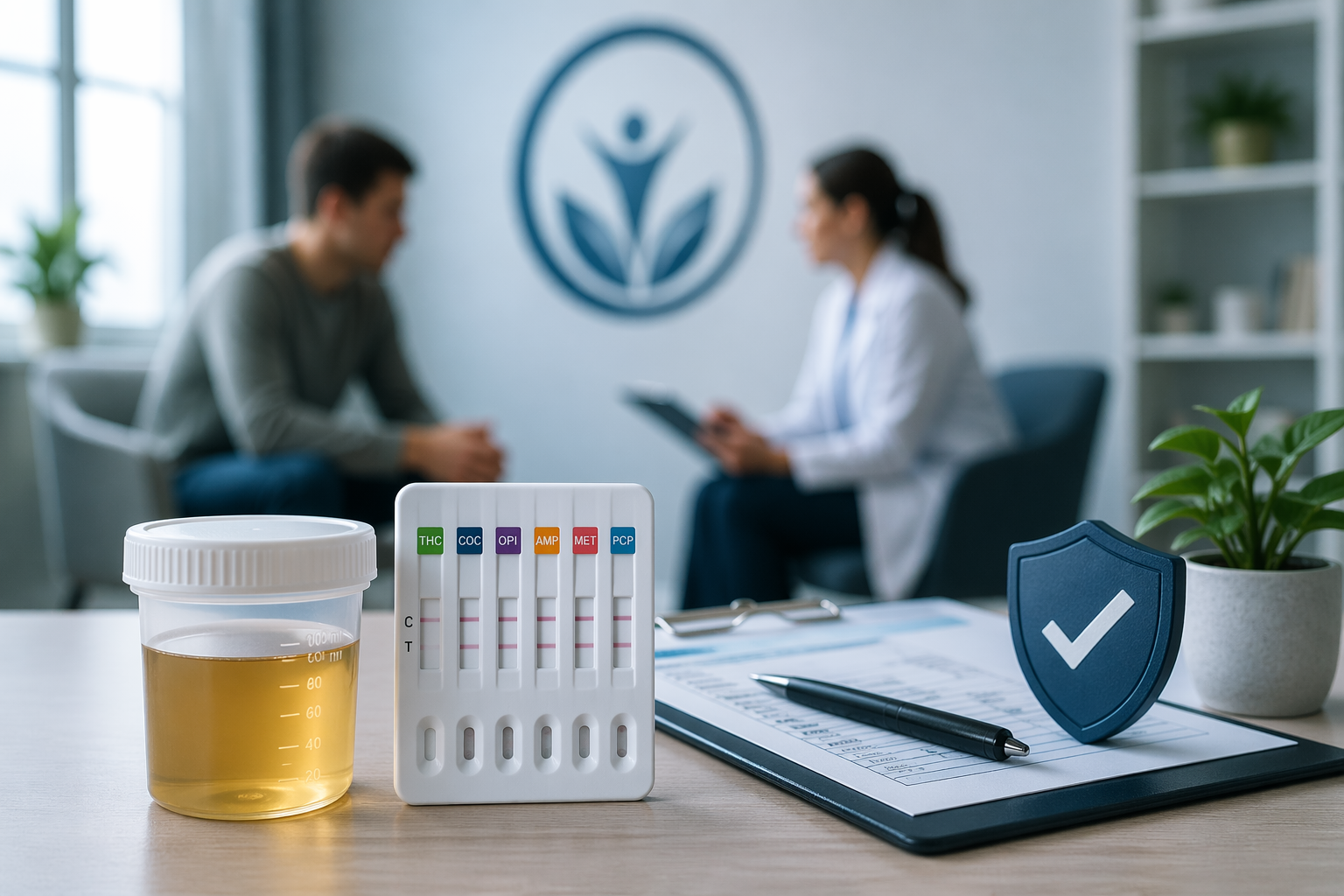
A strong drug testing program plays a vital role in addiction recovery. Many rehab facilities and rehabilitation centers use drug testing as an important tool to support patients during the recovery journey. When done right, it helps health care providers monitor substance use, improve patient care, and create better outcomes.
In this guide, we will explain the key elements of a well designed drug testing program for rehab facilities in a simple and clear way.
Why Drug Testing Matters in Addiction Recovery
Drug testing is an important part of substance abuse treatment. It helps healthcare providers understand what is happening in a patient’s body during treatment.
Drug testing helps:
At Lynk Diagnostics, drug testing is designed to support—not punish—patients. It helps guide the recovery process and keeps patients on track.
Types of Drug Testing Methods Used in Rehab
Urine Drug Tests
Urine drug tests are the most common drug testing methods used in rehab facilities. These tests check for drug metabolites, which are chemicals left behind after the body processes drugs.
Urine tests are:
Cost effective
Easy to collect
Reliable for many substances
Oral Fluid Testing
Oral fluid testing uses saliva as a biological sample. It is helpful for detecting recent substance use.
Benefits include:
Less invasive than urine testing
Easy to observe collection
Fast results
Additional Tests
Some programs also use:
Blood tests
Hair testing
Breath testing for alcohol
These additional tests help determine substance use when needed.
Understanding Drug Testing Results
Drug testing results are a key part of any program. They help healthcare providers determine the presence of illicit drugs, controlled substances, or alcohol.
There are two main types of results:
Presumptive results (initial screening)
Confirmatory test results (more accurate lab results)
Accurate lab results are essential for making treatment decisions. Lynk Diagnostics focuses on quality assurance to ensure every test result is reliable.
Role of Drug Testing in Treatment Programs
Drug testing plays a vital role in treatment programs for substance use disorders. It supports many parts of care, including:
Monitoring patient progress
Helping counselors adjust therapy
Supporting medication management
Reducing risk of relapse
It also helps healthcare providers develop better treatment plans based on each patient’s specific needs.
Creating Clear Testing Policies
A well-designed program must include clear rules. Rehab facilities should develop policies that explain:
When testing happens
What substances are tested
How samples are collected
What happens after positive results
Clear policies help reduce confusion and build trust between patients and providers.
Compliance With State Laws and Regulations
Drug testing programs must follow state laws and regulations. Many organizations, including the Substance Abuse and Mental Health Services Administration (SAMHSA), provide guidelines.
Compliance helps:
Protect patient rights
Ensure ethical testing practices
Maintain program quality
Rehabilitation facilities must stay updated on regulations to avoid legal risks.
Importance of Accurate Sample Collection
Collecting a biological sample properly is very important. This includes urine, oral fluid, or other testing methods.
Good sample collection ensures:
Accurate results
Reduced tampering
Better trust in the program
Training staff in proper collection methods is a key part of program success.
Monitoring and Ongoing Testing
Testing should not happen just once. Monitoring over time is essential for long-term recovery.
Regular testing helps:
Track progress
Detect relapse early
Support accountability
This ongoing testing is an important part of the recovery process.
Integrating Drug Testing With Counseling and Therapy
Drug testing works best when combined with counseling and therapy. It should not stand alone.
When paired with therapy:
Patients gain insight into their behavior
Counselors can adjust treatment plans
Recovery becomes more structured
This integration improves outcomes and supports the entire family during recovery.
Supporting Patients With Motivational Incentives
Motivational incentives can help patients stay engaged in treatment. These rewards encourage positive behavior.
Examples include:
Privileges in recovery residences
Recognition for clean test results
Progress milestones
This approach helps patients stay focused on their recovery journey.
Cost Effectiveness of Drug Testing Programs
A well-designed program should also be cost effective. Rehab facilities must balance quality and budget.
Cost effectiveness comes from:
Choosing the right testing methods
Avoiding unnecessary tests
Using reliable labs like Lynk Diagnostics
Smart planning helps facilities provide high-quality care without extra costs.
Role of Healthcare Providers and Staff Training
Healthcare providers and staff play a vital role in drug testing programs. Proper training ensures the program runs smoothly.
Staff should have knowledge in:
Testing methods
Handling samples
Understanding test results
Patient communication
Training improves patient care and program effectiveness.
Addressing Patient Concerns and Building Trust
Some patients may feel worried about drug testing. It is important to address concerns openly.
Rehab facilities should:
Explain the purpose of testing
Emphasize support, not punishment
Respect patient privacy
When patients trust the process, they are more likely to stay engaged in treatment.
Using Data to Improve Treatment Outcomes
Drug testing provides valuable data. This data helps providers determine what is working and what needs to change.
By reviewing lab results and test results, providers can:
Adjust treatment plans
Improve therapy strategies
Increase success rates
This data-driven approach leads to better outcomes for patients.
Involving Family Members and Community Resources
Recovery is not just about the patient. The entire family and community resources play an important part.
Family members can:
Provide emotional support
Help monitor progress
Encourage accountability
Community resources like support groups and recovery residences also strengthen recovery programs.
Ensuring Quality Assurance in Testing Programs
Quality assurance is essential for any drug testing program. It ensures accuracy, fairness, and reliability.
Key elements include:
Certified labs
Proper testing methods
Regular audits
Staff training
Lynk Diagnostics focuses on high standards to support rehab facilities and improve patient outcomes.
The Future of Drug Testing in Rehab Facilities
Research continues to improve drug testing methods. New tools and technologies are making testing more accurate and faster.
Future trends include:
Better detection of drug metabolites
Improved oral fluid testing
More personalized treatment plans
These advances will continue to support addiction recovery and improve the effectiveness of treatment programs.
FAQs
What is the purpose of drug testing in rehab facilities?
Drug testing helps monitor substance use, support treatment plans, and improve recovery outcomes. It is an important tool in addiction recovery.
How often are patients tested in rehab?
Testing frequency depends on the program. Some patients are tested weekly, while others may have random testing for better monitoring.
Are urine drug tests accurate?
Yes, urine drug tests are accurate when done correctly. Confirmatory tests help ensure reliable results.
Can drug testing help prevent relapse?
Yes, regular testing helps identify substance use early. This allows providers to adjust treatment and prevent relapse.
Is drug testing part of all treatment programs?
Most substance abuse treatment programs include drug testing. It plays a vital role in monitoring progress and supporting recovery.
Conclusion
The key elements of a well designed drug testing program for rehab facilities include clear policies, accurate testing methods, trained staff, and strong patient support. Drug testing is an important part of addiction recovery and helps improve patient care.
With the right approach, rehab centers can create programs that support patients, build trust, and lead to better outcomes. Lynk Diagnostics is committed to helping rehabilitation facilities develop effective drug testing programs that make a real difference in the recovery journey.
Resources
SAMHSA Drug Testing Guidelines
Centers for Disease Control and Prevention (CDC) – Substance Use