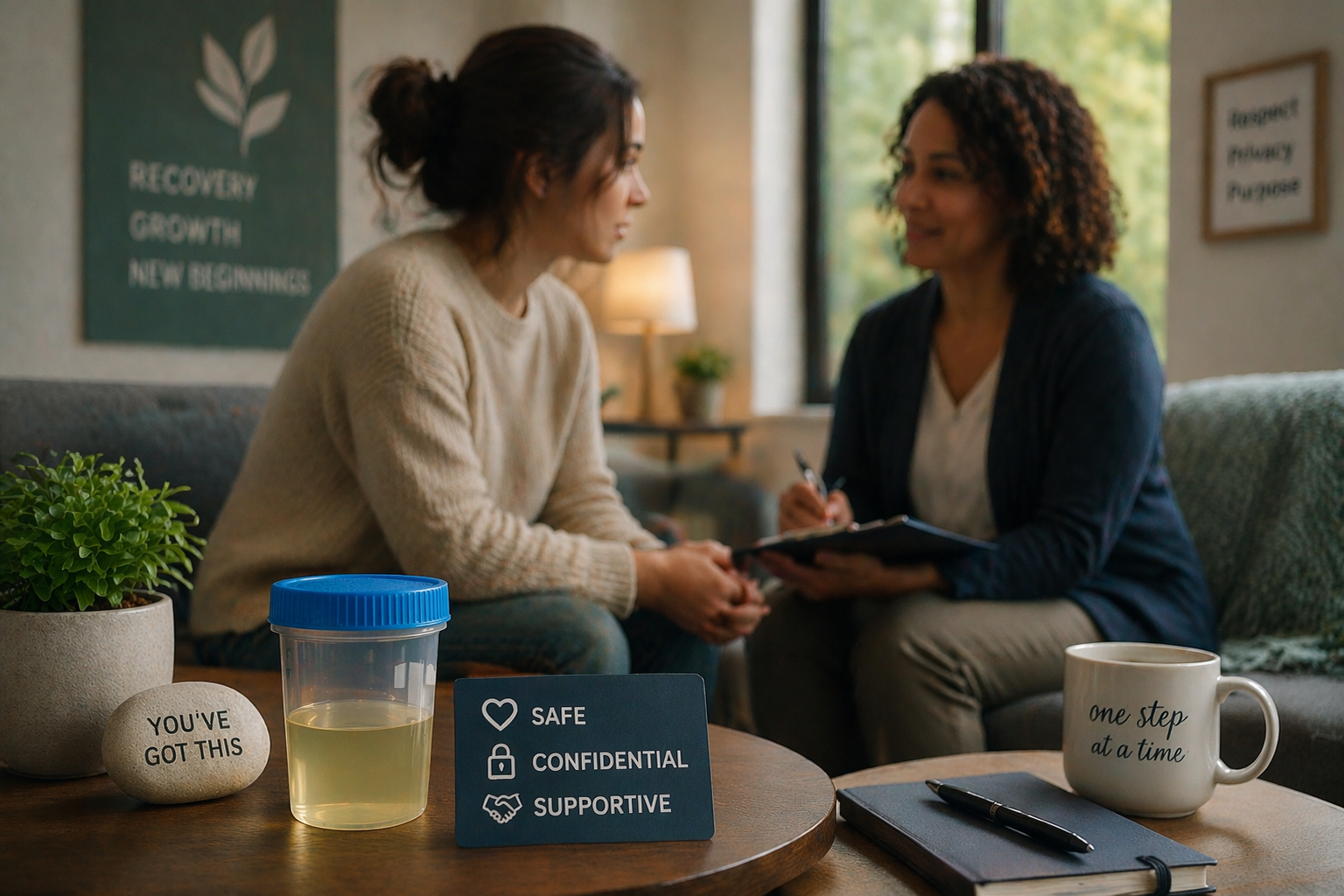
Drug testing is a common part of addiction treatment programs. It helps care teams track progress and support recovery. But for many people, drug testing can cause stress and fear.
Patients may feel nervous about results, privacy, or being judged. This anxiety can make treatment harder. That is why reducing anxiety around drug testing in treatment settings is so important.
At Lynk Diagnostics, drug testing is designed to support patients, not punish them. When done the right way, testing can help people feel safe and supported.
Why Drug Testing Is Important in Treatment
Drug testing plays a key role in rehab programs. It gives helpful information to clinicians and care teams.
Helps Track Recovery Progress
Drug testing shows if a patient is staying on track. It helps providers see changes over time and adjust care plans.
Supports Patient Safety
Testing can detect substance use early. This allows for quick support before problems get worse.
Builds Accountability
Regular testing encourages honesty and responsibility. It helps patients stay focused on their recovery goals.
Why Drug Testing Can Cause Anxiety
Even though drug testing is helpful, it can still cause worry.
Fear of Judgment
Patients may feel like they are being judged or watched. This can make them feel uncomfortable.
Concern About Results
Some people worry about false positives or unexpected results. This fear can increase stress.
Lack of Understanding
When patients do not fully understand the process, they may feel confused or scared.
Privacy Concerns
Sharing personal health information can feel overwhelming. Patients want to know their data is safe.
How to Reduce Anxiety Around Drug Testing
Reducing anxiety starts with creating a supportive and caring environment.
Clear Communication
Explain the drug testing process in simple terms. Patients should know:
- Why testing is done
- How samples are collected
- What happens with results
When people understand the process, they feel more at ease.
Use Respectful Language
Words matter. Staff should avoid language that feels harsh or blaming. Instead, use kind and supportive words.
Provide Education
Teaching patients about drug testing helps reduce fear. Education can include:
- How testing works
- Accuracy of results
- What results mean
This builds trust and confidence.
The Role of Lynk Diagnostics in Patient Comfort
Lynk Diagnostics focuses on making drug testing simple and stress-free for rehab facilities.
Accurate and Reliable Testing
High-quality testing reduces the risk of errors. This helps patients feel more confident in the process.
Fast Results
Quick results reduce waiting time, which can lower anxiety.
Support for Treatment Centers
Lynk Diagnostics works with rehab programs to create testing plans that support patient care and comfort.
Creating a Safe Testing Environment
A calm and respectful environment can make a big difference.
Private Testing Areas
Patients should feel safe during sample collection. Private spaces help protect dignity.
Friendly Staff
Kind and trained staff can ease nerves. A smile and calm tone go a long way.
Consistent Procedures
Using the same process each time helps patients know what to expect.
Using Routine Testing to Build Trust
Routine drug testing can actually reduce anxiety over time.
Predictable Schedules
When testing happens on a regular schedule, patients feel more prepared.
Less Surprise
Routine testing removes the fear of unexpected tests.
Builds Confidence
Over time, patients become more comfortable with the process.
Balancing Random and Scheduled Testing
Some programs use both scheduled and random drug testing.
Scheduled Testing Benefits
- Helps patients prepare
- Reduces stress
- Builds routine
Random Testing Benefits
- Encourages honesty
- Prevents relapse
When balanced correctly, both methods can support recovery without increasing anxiety.
Supporting Emotional Health During Testing
Mental health support is key in reducing stress.
Counseling and Therapy
Therapists can help patients talk about their fears. This makes testing feel less overwhelming.
Peer Support
Group support can help patients feel less alone. Others may share similar concerns.
Stress Management Tools
Simple tools can help, such as:
- Deep breathing
- Mindfulness
- Relaxation exercises
The Importance of Transparency
Being open and honest builds trust.
Explain Results Clearly
Patients should understand their test results. Avoid confusing terms.
Share Next Steps
If a test result shows a concern, explain what happens next. This removes fear of the unknown.
Encourage Questions
Patients should feel safe asking questions at any time.
Reducing Stigma Around Drug Testing
Stigma can increase anxiety. Changing how people view drug testing can help.
Focus on Support, Not Punishment
Drug testing is not about catching mistakes. It is about helping patients succeed.
Normalize the Process
Testing should be seen as a normal part of treatment, like check-ups.
Promote Compassion
Care teams should show empathy and understanding at all times.
How Drug Testing Builds Trust in Treatment
When done right, drug testing can improve trust.
Honest Communication
Patients feel safe when they know what to expect.
Consistent Care
Reliable testing shows that providers are committed to patient success.
Partnership in Recovery
Drug testing becomes a tool that patients and providers use together.
Technology and Modern Drug Testing
Modern tools help make drug testing easier and less stressful.
Advanced Testing Methods
New methods are more accurate and less invasive.
Digital Reporting
Secure systems protect patient data and provide fast results.
Integration with Treatment Plans
Testing data can be used to improve personalized care.
Tips for Patients to Feel More Comfortable
Patients can take steps to reduce their own anxiety.
Ask Questions
Understanding the process helps reduce fear.
Stay Informed
Learn about how drug testing works.
Practice Relaxation
Simple breathing exercises can calm nerves before testing.
Talk to Your Care Team
Share concerns openly. Support is always available.
Tips for Treatment Centers
Rehab programs can also take steps to improve the experience.
Train Staff Properly
Staff should know how to communicate with empathy.
Create Clear Policies
Patients should understand testing rules and expectations.
Partner with Trusted Providers
Working with Lynk Diagnostics ensures reliable and patient-focused testing.
Long-Term Benefits of Reducing Anxiety
Lower anxiety leads to better outcomes.
Improved Patient Engagement
Patients are more likely to stay in treatment.
Better Recovery Results
Reduced stress helps patients focus on healing.
Stronger Relationships
Trust between patients and providers grows over time.
FAQs About Reducing Anxiety Around Drug Testing
Why do patients feel anxious about drug testing?
Patients may worry about results, privacy, or being judged. Lack of understanding can also increase anxiety.
How can drug testing feel less stressful?
Clear communication, education, and a supportive environment can make testing easier.
Does drug testing help recovery?
Yes. Drug testing helps track progress, detect issues early, and support treatment plans.
Can drug testing build trust?
Yes. When done with care and respect, it strengthens trust between patients and providers.
How does Lynk Diagnostics help reduce anxiety?
Lynk Diagnostics provides accurate, fast, and patient-focused drug testing that supports comfort and trust.
Resources
- Substance Abuse and Mental Health Services Administration (SAMHSA) – https://www.samhsa.gov
- National Institute on Drug Abuse (NIDA) – https://nida.nih.gov
- Centers for Disease Control and Prevention (CDC) – https://www.cdc.gov
- American Society of Addiction Medicine (ASAM) – https://www.asam.org
Reducing anxiety around drug testing in treatment settings is key to helping patients feel safe and supported. With clear communication, compassionate care, and trusted partners like Lynk Diagnostics, drug testing can become a positive part of the recovery journey.