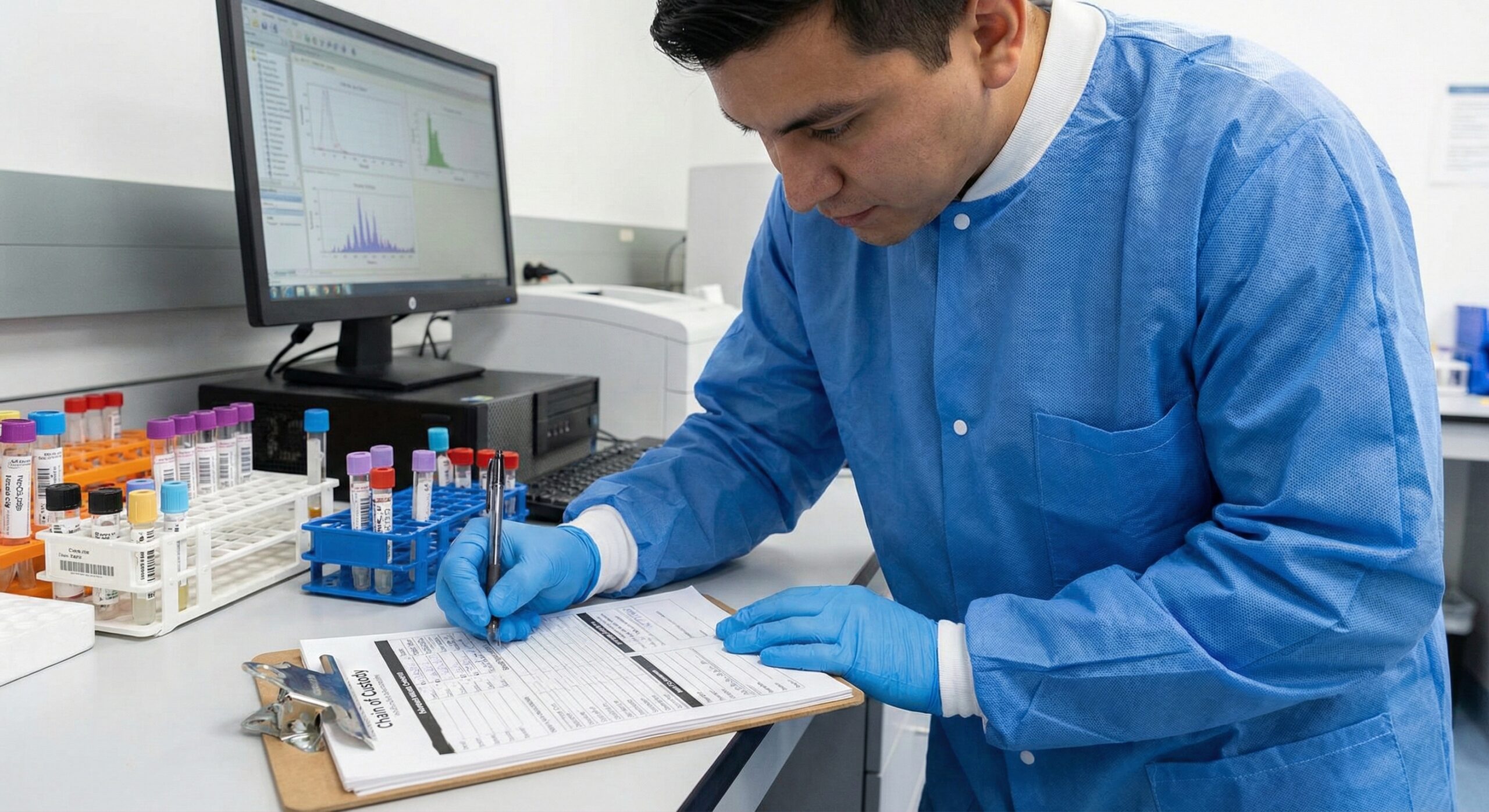
How Documentation Helps Rehab Centers Stay Safe and Organized
Standard notes also help with:
- Safety for patients and staff
- Accountability for choices and results
- Compliance with rules and audits
- Insurance and reimbursement for covered services
- Better management of care across clinical teams
Lynk Diagnostics works with rehab facilities to support accurate drug testing and clear reporting. When labs and clinics use the same structure, it is easier to track progress in recovery and respond quickly if there is a relapse risk.
What “Standardized Documentation” Means in Simple Terms
Standardized documentation means your clinic uses the same format every time, like a clean checklist and a clear story. This can include:
When you standardize, you reduce confusion. You also reduce mistakes that can happen when different clinicians write notes in totally different ways.
Why Rehab Documentation Matters for Substance Abuse Care
Substance abuse treatment often needs careful tracking. A person may be working toward sobriety and abstinence, but cravings and stress can happen. Clear notes help a clinician spot patterns and support the patient with the right therapy plan.
Documentation also supports mental health care. Many patients have anxiety, depression, trauma, or other needs during addiction recovery. A consistent clinical record helps the care team connect the dots.
How Drug Testing Labs Support Better Documentation
Drug testing labs do more than run lab testing. A good laboratory partner helps a rehab program build a documentation system that is repeatable and easy to follow.
Here are key ways Lynk Diagnostics helps rehab centers and clinics create clean, standard records.
Step 1: Clear Collection Rules Reduce Errors
A big part of good documentation starts before testing. Sample collection should be consistent and written down the same way each time.
That might include:
- Chain-of-custody steps (who handled the sample)
- What was collected: urine, saliva, hair, or blood
- Collection tools like drug test cups for urinalysis screening
- Notes about temperature, seal checks, and timing
When collection steps are consistent, the final report is easier to defend and explain.
Urinalysis Documentation Basics
Urinalysis is common in rehab because it is fast and familiar. Good documentation should list:
- Date/time of collection
- Type of urine test performed
- Any observed concerns (example: sample appearance)
- Screening result and confirm steps if needed
This creates a reliable “paper trail” that supports clinical decisions and billing needs.
Step 2: Standard Lab Reports Make Results Easier to Use
A standardized lab report helps a clinician read results quickly. It also helps physicians and care teams communicate clearly.
A strong report often includes:
- Patient identifiers (matched to clinic records)
- Test panel name and purpose
- Cutoff levels (when relevant)
- Confirmed vs. screening results
- Toxicology notes when needed
This matters because toxicology reporting can be confusing if it is not formatted well. Standard formatting reduces misreads and helps protect patient health.
Different Test Types Need Different Documentation
Rehab facilities may use several types of drug tests based on clinical needs, risk level, and patient history:
- Urine testing (common, cost-friendly)
- Saliva and saliva testing (helpful for more recent use)
- Hair testing (longer look-back window)
- Blood testing (more direct measure in some cases)
- Alcohol testing (important when alcohol use is a concern)
When each test type has its own standard form fields, documentation stays clean and consistent.
Step 3: Labs Help Rehab Centers Write Strong Drug Testing Policies
Many rehab centers need written drug testing policies. A lab partner can help build policy templates that match real workflows.
A solid policy often covers:
- When tests happen (intake, random, post-visit, after concerns)
- What happens if a patient refuses
- What staff should document every time
- How relapse risk is handled in treatment planning
- How results are shared with the care team
Policies also support fairness. When rules are written and followed, patients feel the process is predictable and focused on safety—not punishment.
Step 4: Supporting Medical Necessity and Payer Requirements
When a clinic bills insurance, Medicaid, or Medicare, it often must show medical necessity. That means the record should explain why a drug test was needed and how it supports treatment.
Standard documentation may include:
- Diagnosis and risk factors related to addiction
- Current medications and concerns about medication use
- Recent behavior changes or clinical symptoms
- Treatment plan goals tied to sobriety and safety
- How results changed care decisions
This helps protect the clinic during audits and supports smoother reimbursement. It also protects patients by making sure testing is used in a clinical, meaningful way.
Documentation Helps With Reimbursement and Fewer Denials
Payers may deny claims when notes are unclear. Clean, consistent documentation helps show:
- What service was provided
- Why it was needed
- Who ordered it (a clinician or physician)
- How it supports ongoing treatment
That matters for health care organizations trying to keep services available for patients.
Step 5: Protecting Medical Privacy While Sharing the Right Info
Drug testing information is sensitive. Rehab programs must protect medical privacy and only share information with the right people for treatment, payment, and operations.
A lab partner can support privacy by:
- Using secure reporting portals
- Limiting access based on role
- Keeping audit logs
- Standardizing what gets reported and how
This matters for patients and for facilities that want strong trust and compliance.
Step 6: Better Documentation Improves Safety and Accountability
Good records can literally prevent harm. For example, if a patient is using an opioid or is exposed to fentanyl, quick, clear reporting helps the team respond fast.
Documentation can support:
- Medication safety (avoiding dangerous combinations)
- Relapse prevention planning
- Higher-risk monitoring when needed
- Safer handoffs between staff shifts
Accountability is not about shame. It is about making sure everyone does their job and the patient gets safe care.
Rehab Centers Also Think About Occupational Safety and Health
Rehab facilities are workplaces too. Clear processes support occupational safety and health for staff, including safe handling and disposal of samples, and fewer disputes about results.
Some programs also run workplace drug testing for employees based on policy and local rules. Standard documentation helps keep that process consistent and fair as well.
How Labs and Clinicians Work Together in Real Life
A lab supports testing, but the clinic team does the day-to-day care. When the lab and clinic align, documentation improves across the board.
Here’s what good teamwork can look like:
- A clinician orders testing based on clinical needs
- A physician reviews results when medical decisions are needed
- Lab reports flow back in a standard format
- The care team updates therapy and treatment plans
- Notes reflect progress in recovery and goals of abstinence
This is not just “data.” It is part of the patient story.
The Role of Research, SAMHSA, and Clinical Best Practices
Many facilities align documentation and care with trusted guidance, including SAMHSA resources and general clinical best practices. Research in addiction care shows that structured monitoring and supportive follow-up can help people stay engaged in treatment.
While each rehab program is different, using a consistent documentation model helps rehab centers show they are following a careful, patient-focused process in their clinical environment.
What to Look For in a Lab Partner Like Lynk Diagnostics
If you want better documentation, your lab partner should help your team stay consistent—not overwhelmed.
Look for help with:
- Standard report formats for drug tests
- Simple workflows for urine, saliva, hair, and blood test options
- Support for medical necessity notes and payer needs
- Compliance-ready records for facilities and clinics
- Clear communication with rehab center management
Lynk Diagnostics supports rehab facilities with lab testing systems designed to reduce confusion and improve accurate drug testing documentation.
FAQs
How do drug testing labs help rehab centers with documentation?
They provide standard lab reports, clear collection steps, and guidance that helps rehab centers document each drug test the same way every time for compliance and clinical care.
What documentation details are most important for a urine test?
Time/date, patient ID match, collection notes, urinalysis method, and screening vs. confirmation results are key. Using consistent drug test cups and documented steps also helps.
Why does insurance care about standardized documentation?
Insurance, Medicare, and Medicaid often require proof of medical necessity. Clear documentation shows why testing supports treatment and improves reimbursement outcomes.
Is saliva testing documented differently than urinalysis?
Yes. Saliva testing usually focuses on recent use windows and collection steps. Good documentation should clearly name the specimen type (saliva) and the lab methodology used.
How does documentation improve relapse prevention in recovery?
Standard notes help the care team see patterns, respond to relapse risk faster, and adjust therapy and treatment plans to support sobriety and safety.