Does Mephedrone Show Up on a Drug Test?
Mephedrone, sometimes called “MCAT” or “meow meow,” is a stimulant drug that can cause feelings of euphoria and energy. While it may seem similar to amphetamines, it’s a synthetic drug made in labs and often sold as a white powder or salt form. Because of its risks and abuse potential, many people wonder — does mephedrone show up on a drug test?
This guide from Lynk Diagnostics, a trusted drug testing center dedicated to rehab facilities, will explain how mephedrone affects the body, what types of drug tests can detect it, and how long it stays in your system.
What Is Mephedrone?
Mephedrone (4-methylmethcathinone) is a man-made stimulant that acts on the brain and central nervous system. It increases levels of dopamine, serotonin, and norepinephrine — chemicals that control mood and energy.
When taken, mephedrone causes a strong rush of pleasure or euphoria, along with higher blood pressure and heart rate. These effects are why some people misuse it, leading to addiction or dangerous health problems.
How Is Mephedrone Used?
Mephedrone is usually taken by:
- Oral administration (swallowing a pill or capsule)
- Snorting the powder form
- Injecting (less common but risky)
Once inside the body, it acts quickly, producing a stimulant effect similar to amphetamines or MDMA. However, it can also cause anxiety, confusion, and increased body temperature.
Why Do People Get Tested for Mephedrone?
Drug testing is common in workplaces, schools, and rehab facilities. It’s also used in mental health and addiction treatment programs to monitor recovery.
At Lynk Diagnostics, drug testing helps ensure clients remain on track during therapy and treatment. Mephedrone testing can reveal recent substance use and guide healthcare providers toward safe, effective care.
Does Mephedrone Show Up on a Drug Test?
Yes, mephedrone can show up on a drug test, but it depends on the test type and how advanced it is.
Standard 5-panel tests (which detect common drugs like cocaine, amphetamines, and THC) may not always detect mephedrone. However, specialized toxicology tests and advanced laboratory methods like mass spectrometry and chromatography can confirm its presence.
How Drug Tests Detect Mephedrone
Drug testing labs use advanced science to identify mephedrone and its metabolites (what’s left after the drug breaks down).
Here’s how it works:
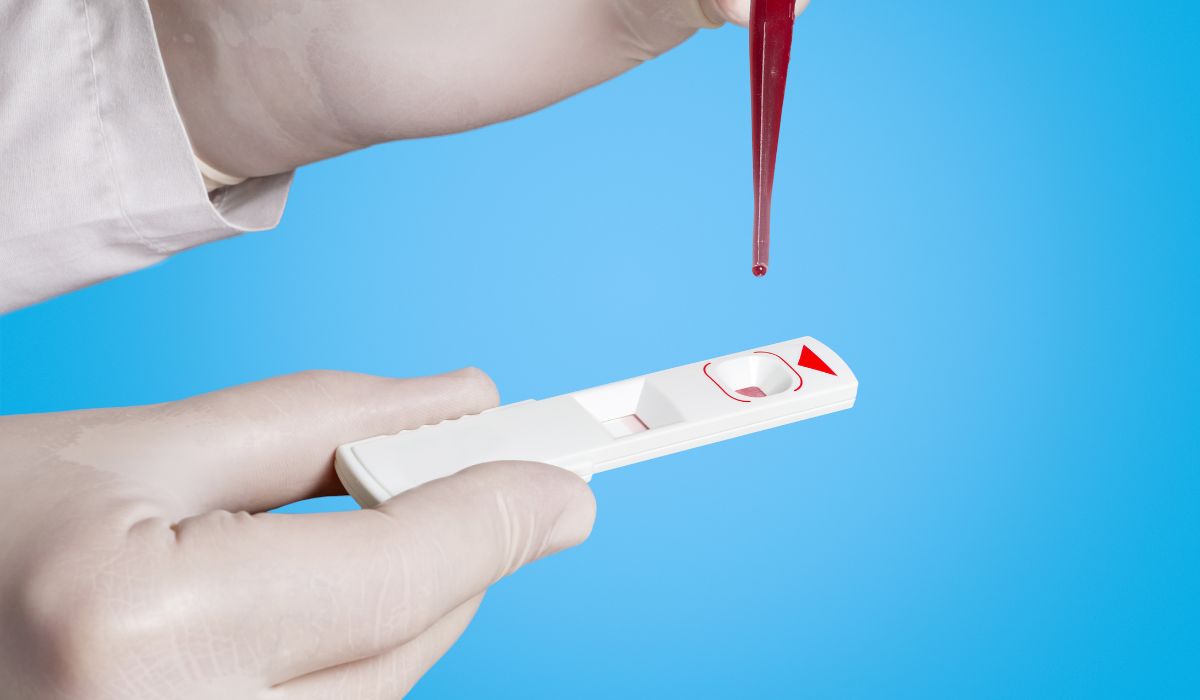
- Sample collection: A urine, blood, or hair sample is collected.
- Screening test: An initial test checks for common drugs.
- Confirmatory test: If something looks unusual, a more detailed test — like liquid chromatography–mass spectrometry (LC-MS) — confirms mephedrone’s presence.
These confirmatory methods are highly accurate and can detect even tiny amounts of the drug.
Types of Drug Tests That Can Detect Mephedrone
Urine Drug Test
Most urine drug tests can detect mephedrone for 1–3 days after use. It’s the most common testing method because it’s easy, affordable, and provides fast results.
Blood Test
A blood test can detect mephedrone soon after use — typically within 12–24 hours. Blood tests are often used in emergency or clinical settings.
Hair Test
Hair drug tests can show drug use for up to 90 days, depending on the length of the hair sample. Mephedrone and its metabolites can stay in hair follicles long after other drugs have left the system.
Saliva Test
Saliva tests detect mephedrone for 1–2 days after use. These are less common but sometimes used for roadside or workplace screening.
Factors That Affect Detection Time
Several factors influence how long mephedrone stays in your body:
- Dose: Higher doses take longer to clear.
- Frequency of use: Regular users may test positive longer.
- Body mass: More fat tissue can hold traces of the drug.
- Metabolism: Faster metabolism means quicker elimination.
- Hydration and health: Staying hydrated and maintaining good health can affect how the body removes toxins.
How Mephedrone Affects the Brain and Body
Mephedrone acts on the brain’s dopamine system, increasing energy and pleasure but also putting stress on the body.
Physical Effects
- Increased blood pressure
- Fast heart rate
- Sweating or chills
- Jaw clenching
- Trouble sleeping
Mental Effects
- Intense euphoria followed by depression or anxiety
- Confusion or paranoia
- Risk of addiction
Over time, repeated use can cause long-term damage to the central nervous system, mood problems, and dependence.
Why Accurate Drug Testing Matters
For those in addiction treatment or mental health therapy, accurate testing helps guide care. Lynk Diagnostics uses advanced toxicology testing to ensure accurate and fast results.
Their lab methods, such as mass spectrometry and liquid chromatography, identify even small amounts of mephedrone or similar drugs.
Fast turnaround time ensures clients and healthcare professionals get information quickly, supporting recovery and safety.
Can Mephedrone Use Lead to Addiction?
Yes. Mephedrone’s stimulant effects can make users crave more. With repeated use, the brain’s reward system changes, leading to dependence and addiction.
People who struggle with mephedrone misuse may also experience mental health challenges such as depression or anxiety.
Therapy and treatment programs can help manage withdrawal symptoms and build healthier coping skills. At Lynk Diagnostics, regular testing supports these programs by ensuring accountability and recovery progress.
Treatment and Support for Mephedrone Addiction
Overcoming mephedrone addiction often requires professional help. Treatment may include:
- Behavioral therapy
- Medication-assisted treatment (if other substances are involved)
- Group therapy or counseling
- Regular drug testing to monitor progress
Addiction affects both the body and brain, so recovery focuses on restoring health and emotional stability.
How Long Does Mephedrone Stay in Your System?
The detection window depends on the dose, testing method, and body chemistry. Here’s a simple breakdown:
| Test Type | Detection Time |
|---|---|
| Urine | 1–3 days |
| Blood | Up to 24 hours |
| Saliva | 1–2 days |
| Hair | Up to 90 days |
These are estimates — actual results can vary depending on the individual and testing method used.
What Happens During a Mephedrone Drug Test at Lynk Diagnostics
At Lynk Diagnostics, the process is confidential, professional, and accurate.
1. Sample Collection
A technician collects a urine, blood, or hair sample in a safe environment.
2. Laboratory Analysis
The sample is sent to a certified toxicology lab, where it’s tested using mass spectrometry or chromatography to detect mephedrone and other substances.
3. Results
With a quick turnaround time, clients or rehab facilities receive accurate information about recent substance use. These results help therapists and doctors adjust treatment plans as needed.
Mephedrone and Other Substances
Mephedrone is sometimes mixed with other drugs like amphetamines or MDMA, increasing the risk of overdose and severe side effects. When combined with alcohol or other stimulants, it puts extra stress on the heart and brain.
Because these mixtures are dangerous, drug tests that detect multiple substances are essential for addiction treatment and recovery programs.
Why Choose Lynk Diagnostics?
Lynk Diagnostics specializes in drug testing for rehab facilities and healthcare providers. They use reliable, advanced testing methods to detect substances like mephedrone accurately.
Their mission is to support recovery through science, trust, and compassion — providing fast, verified results that empower patients and professionals alike.
How to Get Help
If you or someone you know struggles with mephedrone addiction, reach out for help. Combining therapy, medical care, and ongoing drug testing gives the best chance at long-term recovery.
Lynk Diagnostics can provide accurate testing and work with treatment providers to support mental health and healing every step of the way.
Frequently Asked Questions (FAQs)
Does mephedrone show up on a standard drug test?
Not always. Standard 5-panel tests may not detect mephedrone, but specialized toxicology tests using mass spectrometry or chromatography can identify it accurately.
How long does mephedrone stay in urine?
Typically, mephedrone can be found in urine for 1–3 days after use, depending on the dose and how often it’s taken.
Can blood tests detect mephedrone?
Yes, blood tests can detect mephedrone for up to 24 hours after use. They’re often used in hospitals or legal investigations.
What does mephedrone do to the brain?
Mephedrone increases levels of dopamine and serotonin in the brain, creating feelings of pleasure and energy. However, over time it can harm mental health and cause addiction.
Can therapy help mephedrone users recover?
Yes. Therapy helps address both the emotional and behavioral sides of addiction, offering strategies for relapse prevention and long-term recovery.
Sources