
Toxicology testing helps rehab centers, treatment teams, and care staff understand what substances may be in a person’s body. At Lynk Diagnostics, we provide toxicology testing for rehab facilities that need clear, fast, and reliable drug testing support. Our goal is to help treatment teams make safer choices, improve patient care, and support better patient outcomes.
Toxicology testing can look for prescription medications, illicit drugs, synthetic drugs, alcohol, controlled substances, and other substances. It can also help detect toxic substances, environmental toxins, heavy metals, and signs of prior exposure. This type of testing may use urine, blood, tissue samples, stomach contents, and other biological samples or biological fluids.
For rehab facilities, toxicology testing is often used to support substance abuse treatment, monitor drug use, and help lower risk during care. Testing does not replace a full diagnosis, but it gives clinical teams objective data they can use during the treatment process.
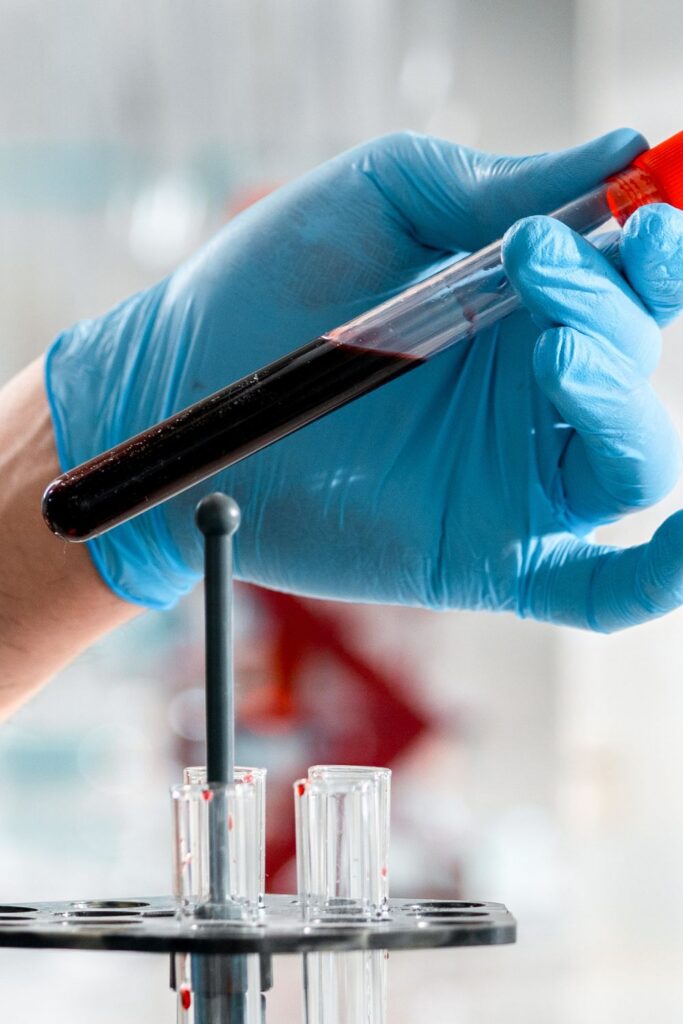
Toxicology testing is a type of laboratory testing that looks for the presence of drugs, alcohol, poisons, chemicals, and other substances in the body. These lab tests may help determine if a patient has used certain drugs, had exposure to toxic substances, or may be at risk for acute poisoning.
In addiction treatment and rehab settings, toxicology testing is often used as part of drug testing, urine drug monitoring, and drug abuse testing. It can help detect illicit drug use, prescription medications, marijuana, synthetic cannabinoids, bath salts, synthetic cathinones, and other controlled substances.
Toxicology can also be used outside of rehab care. For example, forensic toxicology may be used in legal cases when defensible results are needed. Emergency toxicology may be used in an emergency department when doctors need rapid detection of toxic substances, high concentrations of a drug, or signs of acute poisoning.
At Lynk Diagnostics, our toxicology testing services are focused on rehab facilities that need trusted testing, clear reporting, and support for patient safety.
Urine is one of the most common sample types used in toxicology testing. Urine testing can help detect drug use from the past few days for many substances. Urine drug monitoring is often used in rehab care because sample collection is simple, fast, and useful for many types of drug testing.
Urine samples may be used to screen for marijuana, prescription medications, illicit drugs, controlled substances, synthetic cannabinoids, bath salts, synthetic cathinones, and other substances.
The first step is test selection. This means choosing which substances to test for and which methods should be used. A rehab facility may need routine drug testing, urine drug monitoring, drug abuse testing, or a more focused panel for specific substances. Test selection may depend on the patient’s history, current symptoms, treatment goals, prescription medications, possible exposure, or suspected illicit drug use.
Next, the facility collects the sample. This may include urine, blood, or another sample type, depending on specimen requirements. Proper sample collection matters because poor handling can affect results. Clear collection steps also help protect patient safety, reduce errors, and support defensible results.
Many drug testing programs start with screening. Screening may use immunoassay techniques because they can provide rapid detection for common drugs and substances. These methods are useful, but they may sometimes lead to false positives or false negatives. This is why screening results should be reviewed with care, especially when the result affects treatment, patient care, or legal cases.
When needed, confirmation testing may use stronger methods like gas chromatography mass spectrometry, gas chromatography, gc ms, high performance liquid chromatography, or mass spectrometry. These methods can help identify specific substances with more detail. Clinical chemistry and toxicology analysis can give rehab teams a clearer picture of what is present in the sample. This helps support safer decisions and stronger documentation.
Toxicology testing can detect many substances, depending on the selected panel and methods used. Not every test finds every substance, so choosing the right test is important.
Lynk Diagnostics can support testing for:
• Prescription medications
• Illicit drugs
• Controlled substances
• Alcohol
• Marijuana
• Synthetic drugs
• Synthetic cannabinoids
• Bath salts
• Synthetic cathinones
• Over the counter medications
• Heavy metals
• Environmental toxins
• Other substances linked to patient risk
Some substances leave the body quickly. Others can be detected for a longer period. The detection window can depend on the drug, sample type, amount used, patient health, and whether there was repeated or heavy use.
Patient safety is one of the main reasons rehab facilities use toxicology testing. If a patient is using substances during treatment, the care team needs to know. Certain drugs can interact with prescription medications, increase overdose risk, or make mental health symptoms worse.
Toxicology testing can also help when a patient has signs of acute poisoning, unusual behavior, sudden sedation, confusion, or possible exposure to toxic substances. In some cases, an emergency department may use toxicology testing to help guide urgent treatment.
For rehab care, testing supports safer treatment planning. It helps staff understand what may be happening and respond with care instead of judgment.
In substance abuse treatment, testing should be used to help the patient, not shame the patient. Drug abuse and substance abuse are health concerns that need support, structure, and clear care.
Toxicology testing helps treatment teams monitor progress, check for relapse risk, and adjust treatment when needed. For example, if drug testing shows ongoing illicit drug use, the team may review the treatment plan, add support, increase monitoring, or look for triggers.
When testing is paired with counseling, medical care, and strong communication, it can support better patient outcomes. It gives patients and providers a clearer view of progress during treatment.

Lynk Diagnostics is a drug testing center dedicated to rehab facility needs. We understand that treatment teams need testing that is clear, timely, and easy to use. Our toxicology testing services support patient care, patient safety, and confident clinical decisions.
Rehab facilities choose Lynk Diagnostics because we focus on:
• Toxicology testing for treatment settings
• Clear drug testing support
• Reliable laboratory testing
• Help with test selection and specimen requirements
• Support for urine drug monitoring
• Testing for common and specific substances
• Defensible results when needed
• Service built around rehab facility workflows
Our team helps facilities use testing in a way that is fair, useful, and focused on care. Whether a program needs routine urine testing, drug abuse testing, or more advanced analysis, Lynk Diagnostics can help.