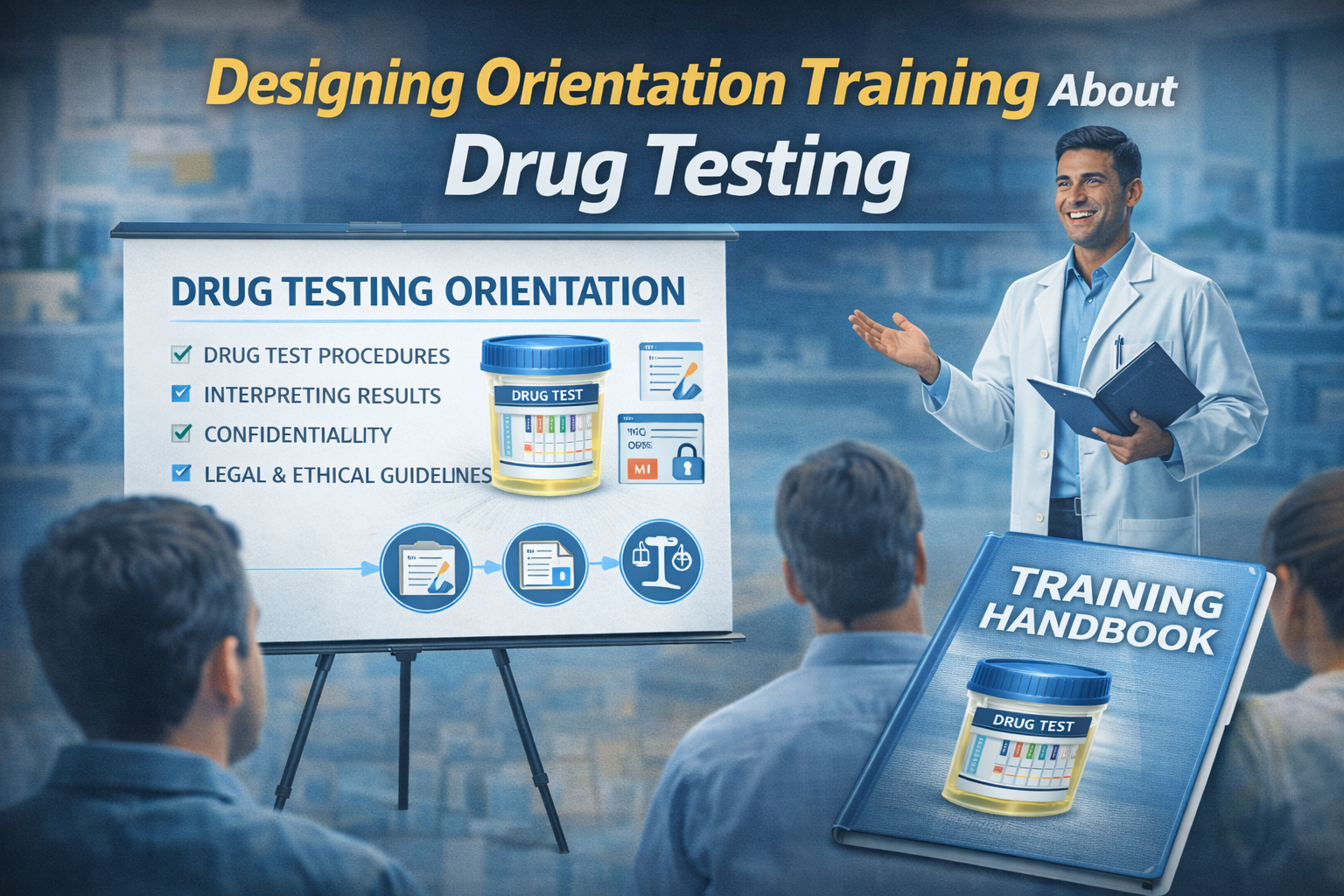
Designing Effective Drug Testing Orientation Programs for New Rehab Hires
Designing an effective drug testing orientation program for new hires in rehabilitation facilities is crucial for ensuring compliance and promoting a safe work environment. This article will explore the essential components of drug testing orientation, the types of toxicology tests that should be included, and best practices for training staff. By understanding these elements, rehab facilities can enhance their training programs, ultimately supporting addiction recovery efforts. Many organizations struggle with creating comprehensive training that meets legal standards while also being informative and engaging. This guide will provide insights into how to develop a robust orientation program that not only educates staff but also fosters a culture of accountability and support. We will cover key topics such as drug testing protocols, compliance considerations, and effective training methods.
What Are the Essential Components of Drug Testing Orientation for Rehab Staff?
Effective drug testing orientation for rehab staff includes several critical components that ensure new hires are well-prepared to handle their responsibilities. These components not only provide essential knowledge but also help in fostering a culture of compliance and ethical practice within the organization.
Key Drug Testing Protocols Every New Hire Must Learn
New hires must be familiar with specific drug testing protocols to ensure accurate and reliable results. These protocols include understanding the chain of custody, proper sample collection methods, and the importance of adhering to testing schedules. Familiarity with these protocols helps prevent errors that could compromise the integrity of the testing process. Additionally, new staff should learn about the consequences of non-compliance with these protocols, which can lead to legal issues and undermine the facility’s credibility.
How Orientation Supports Accurate Substance Abuse Testing
Orientation plays a vital role in ensuring that staff understand the connection between training and accurate substance abuse testing. By providing comprehensive training on testing procedures, staff can better recognize the signs of substance abuse and understand the implications of test results. This knowledge is essential for making informed decisions that support the recovery process. Successful orientation programs often include interactive elements, such as role-playing scenarios, to reinforce learning and improve retention of critical information.
Which Types of Toxicology Tests Should Be Included in Staff Training?
Understanding the various types of toxicology tests is essential for staff training in rehab facilities. Different testing methods provide unique insights into a patient’s substance use and recovery progress.
Understanding Urine, Oral Fluid, and Hair Testing Methods
Urine testing is the most common method used in rehab facilities due to its cost-effectiveness and ease of administration. However, oral fluid testing is gaining popularity for its non-invasive nature and ability to detect recent drug use. Hair testing, while less common, can provide a longer detection window for substance use, making it valuable for certain situations. Each method has its pros and cons, and staff should be trained to understand when to use each type based on the specific needs of the facility and the patients.
Selecting Appropriate Tests for Relapse Prevention Efforts
Choosing the right tests is crucial for effective relapse prevention. Staff should be trained to consider factors such as the patient’s history, the substances being monitored, and the testing method’s reliability. For instance, urine tests may be more appropriate for routine monitoring, while hair tests could be used for long-term assessments. By understanding these factors, staff can make informed decisions that support the overall goals of the rehabilitation program.
How Can Rehab Facilities Implement Compliance and Legal Considerations in Training?
Compliance with legal standards is a critical aspect of drug testing in rehab facilities. Staff must be aware of the policies and regulations governing drug testing to ensure that the facility operates within the law.
Overview of Drug Testing Policies and Regulatory Standards
Training should include a comprehensive overview of relevant drug testing policies and regulatory standards. This includes understanding the legal implications of drug testing, the rights of patients, and the responsibilities of staff. By familiarizing new hires with these policies, facilities can minimize the risk of legal challenges and ensure that testing practices are ethical and compliant.
Best Practices for Maintaining Confidentiality and Ethical Testing
Maintaining confidentiality is paramount in drug testing. Staff should be trained on best practices for handling sensitive information and ensuring that patient privacy is protected. This includes understanding the importance of secure data storage, proper communication protocols, and the ethical considerations surrounding drug testing. By instilling these values in new hires, facilities can foster a culture of trust and respect.
What Are the Best Practices for Training New Rehab Hires on Drug Testing Procedures?
Implementing best practices in training can significantly enhance the effectiveness of drug testing orientation programs for new hires.
Step-by-Step Orientation Modules and Interactive Training Tools
Creating structured orientation modules that outline the training process can help new hires navigate their learning effectively. Interactive training tools, such as quizzes and simulations, can reinforce key concepts and engage staff in the learning process. These tools not only make training more enjoyable but also improve knowledge retention, ensuring that staff are well-prepared to implement drug testing procedures.
Incorporating Case Studies and Real-World Examples in Training
Using case studies and real-world examples during training can provide valuable context for new hires. By examining actual scenarios, staff can better understand the complexities of drug testing and the impact of their decisions on patient care. This approach encourages critical thinking and helps staff apply their knowledge in practical situations, ultimately enhancing their effectiveness in the field.
How Does Drug Testing Orientation Contribute to Relapse Prevention?
Drug testing orientation is not just about compliance; it plays a crucial role in supporting relapse prevention efforts within rehab facilities.
Role of Accurate Testing in Monitoring and Supporting Recovery
Accurate drug testing is essential for monitoring patients’ progress and identifying potential relapses. Staff trained in drug testing procedures can provide timely interventions that support recovery efforts. By understanding the significance of accurate testing, staff can help create a supportive environment that encourages patients to remain committed to their recovery journey.
Training Staff to Recognize and Respond to Relapse Indicators
In addition to testing, staff should be trained to recognize the signs of relapse and respond appropriately. This includes understanding behavioral indicators and knowing when to escalate concerns to clinical staff. By equipping new hires with the skills to identify and address potential relapses, facilities can enhance their overall support for patients in recovery.
What Metrics and Tools Should Be Used to Monitor Orientation Effectiveness?
Monitoring the effectiveness of drug testing orientation programs is essential for continuous improvement.
Key Performance Indicators for Drug Testing Training Programs
Establishing key performance indicators (KPIs) can help facilities assess the effectiveness of their training programs. Metrics such as staff retention rates, compliance with testing protocols, and patient outcomes can provide valuable insights into the success of orientation efforts. By regularly reviewing these KPIs, facilities can identify areas for improvement and make necessary adjustments to their training programs.
Utilizing Feedback and Technology for Continuous Training Improvement
Incorporating feedback from staff and utilizing technology can enhance the training process. Regular surveys and assessments can provide insights into the effectiveness of training modules, while technology can facilitate ongoing education through online resources and training platforms. By embracing a culture of continuous improvement, facilities can ensure that their drug testing orientation programs remain relevant and effective in supporting staff and patients alike.
Freqeuntly Asked Questions
1) What should new staff learn first?
Why testing is done, how it supports treatment planning, and the basics of ordering, collection, and documentation.
2) What are the most common mistakes to cover?
Wrong patient labels, incorrect panel selection, incomplete documentation, and unclear communication about results.
3) How do we train for privacy and professionalism?
Use simple scripts, role-play difficult conversations, and clear “do/don’t” rules for discussing results.
4) How do we confirm staff competency?
Short quizzes, observed collections, checklist sign-offs, and periodic refreshers based on audit findings.
5) How often should training be refreshed?
At least annually, plus anytime you change labs, workflows, forms, or compliance requirements.
Resources
- AHRQ Patient Safety training resources: https://www.ahrq.gov/patient-safety/index.html
- HHS HIPAA Training guidance: https://www.hhs.gov/hipaa/for-professionals/training/index.html
- CDC Laboratory training resources: https://www.cdc.gov/laboratory/training/index.html
- CAP accreditation education resources: https://www.cap.org/