Many people ask, does lidocaine show up on a drug test? This is a common question for people who recently had dental work, minor surgery, or other routine medical procedures. It is also common among people facing workplace drug testing and those worried about their drug test results.
The good news is that lidocaine usually does not cause someone to fail a drug test. Lidocaine is a local anesthetic used by healthcare professionals to reduce pain during many medical procedures. It is not the same as cocaine, and it is not considered one of the common illicit substances looked for in most drug tests.
At Lynk Diagnostics, we help rehab facilities and healthcare organizations understand testing methods and provide accurate drug testing solutions. Understanding how lidocaine works and how laboratories interpret results can help reduce confusion and stress.
What Is Lidocaine?
Lidocaine is a medicine used to numb part of the body before a medical treatment. It is one of the most widely used anesthetics in healthcare today.
Healthcare providers may use lidocaine during:
Dental work
Minor surgeries
Skin procedures
Medical procedures involving stitches
Pain management treatments
Because lidocaine is a common medicine, many patients receive it as part of their regular care. It is often given through injections, creams, sprays, or patches.
Lidocaine works by blocking nerve signals that cause pain. It is not designed to create a high and is not classified as an illegal substance.
Does Lidocaine Show Up on a Drug Test?
The simple answer is no. In most cases, lidocaine exposure will not cause a positive result on standard drug tests.
Most drug tests are designed to detect substances such as:
Cocaine
Marijuana
Opioids
Methamphetamine
Amphetamines
Alcohol
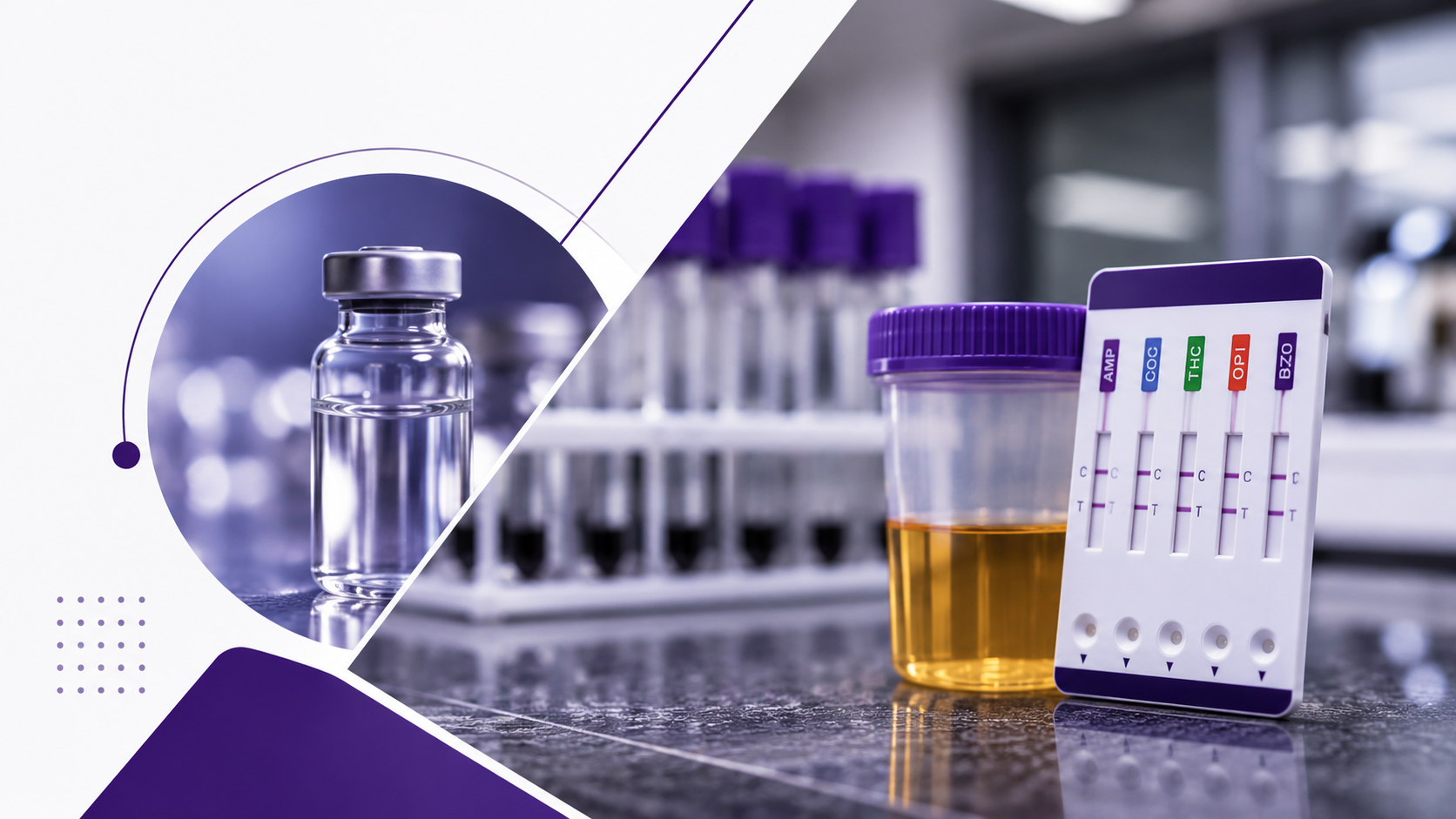
A typical urine drug test does not look for lidocaine. Therefore, lidocaine is generally not reported on a routine urine drug screen.
When people ask, does lidocaine show up on a drug test, they are often concerned about being mistakenly identified as a drug user. Fortunately, modern testing methods are very good at telling the difference between lidocaine and illegal drugs.
Why Do People Confuse Lidocaine and Cocaine?
Some confusion comes from the fact that lidocaine and cocaine belong to a group of medications that affect nerves and can numb tissue.
Years ago, there were concerns that lidocaine could interfere with a cocaine urine drug screen or create false positives for cocaine.
However, modern research has shown that lidocaine itself does not become the cocaine metabolite benzoylecgonine, which is the main marker laboratories look for during a cocaine urine test.
Because the two substances are chemically different, standard testing methods can usually identify them correctly.
Can Lidocaine Cause False Positives?
One of the most common questions is whether lidocaine can cause false positive results.
Research suggests that lidocaine rarely causes problems with testing. While some people worry about producing false positive results, studies have found little evidence that lidocaine creates a positive cocaine result.
A cross sectional observational study published in J Emerg Med examined patients receiving lidocaine and evaluated whether lidocaine exposure affected testing outcomes.
The present study found that lidocaine did not appear to create false cocaine results. The conclusion supported previous evidence showing that lidocaine is unlikely to trigger a positive cocaine screen.
Although rare cases of testing complications can occur with many medications, lidocaine is generally not known to produce false positives for cocaine.
Understanding Cross Reactivity in Drug Testing
The term cross reactivity refers to a situation where a test reacts to something other than the target drug.
Older standard immunoassay drug screens occasionally experienced issues where certain medications would cross react with test chemicals.
This is why some people worry that lidocaine may interfere with a cocaine urine drug test.
Modern urinary immunoassay testing has improved significantly. Most laboratories use advanced screening methods designed to reduce cross reactivity and improve accuracy.
Even if an initial screening raises questions, additional testing is available to confirm results.
How Laboratories Confirm Drug Test Results
When a screening test shows an unexpected result, laboratories often perform confirmation testing.
The gold standard is chromatography mass spectrometry, sometimes called LC MS testing.
LC MS technology can:
Identify specific substances
Measure drug levels
Separate similar compounds
Provide highly accurate results
These methods help with interpreting drug test results and reduce the chance of reporting inaccurate findings.
If someone is initially reported as positive during screening, confirmation testing can help determine whether a drug was truly present.
This process helps ensure accurate interpretation of testing data.
What Happens During a Urine Drug Test?
A urine drug test is one of the most common forms of workplace and clinical testing.
The process usually includes:
Collection of Urine Samples
The individual provides urine samples at a testing location. The collection process follows strict guidelines to protect accuracy.
Initial Screening
The laboratory performs a screening test using immunoassay technology. This step checks for common drugs and their metabolites.
Confirmation Testing
If needed, the lab performs chromatography mass spectrometry testing for confirmation.
Final Report
The final test results are reviewed and reported to authorized parties.
Throughout the process, laboratories work to provide accurate and reliable information.
Can Other Medications Cause False Positive Results?
While lidocaine is not commonly associated with testing problems, some prescription medications and over the counter products have occasionally been linked to unexpected results.
Examples may include:
Certain cold medicines
Some antidepressants
Allergy medications
Pain relievers
In some situations, these products may contribute to false positive results during screening.
This is why it is important to tell a healthcare professional about all medications and supplements before testing.
Providing complete information helps with accurate interpretation of findings.
How Long Does Lidocaine Stay in a Person's System?
Lidocaine does not remain in a person’s system forever.
After administration, the body breaks down lidocaine through the liver. Factors that may affect how quickly it leaves the body include:
Age
Weight
Overall health
Liver function
Dose received
Most people eliminate lidocaine relatively quickly compared with many other substances.
Even while lidocaine is present in the system, it is generally not targeted by routine workplace drug testing panels.
Does Dental Work Affect Drug Test Results?
Many people receive lidocaine during dental work and later worry about testing.
Fortunately, having dental work shortly before a drug test is usually not a problem.
Dentists commonly use lidocaine as part of standard care. Studies and clinical experience show that this use does not typically result in being reported as positive for cocaine.
If you recently had dental work, it is still a good idea to inform testing staff and healthcare providers about the procedure.
Workplace Drug Testing and Lidocaine
Workplace drug testing programs are designed to identify drug use involving prohibited substances.
These tests typically focus on:
Cocaine
Opioids
Marijuana
Amphetamines
Alcohol
Other illegal substances
Lidocaine is not generally included in these testing panels.
Because lidocaine is a legal medication used during medical procedures, employers are not usually looking for it during routine testing.
Employees who recently received lidocaine should not automatically expect to be tested positive because of the medication.
Why Accurate Drug Testing Matters
Accurate testing is important for patients, employers, rehab facilities, and healthcare organizations.
False information can create unnecessary stress and confusion.
Modern laboratories use multiple safeguards to:
Reduce false positives
Improve accuracy
Confirm unexpected findings
Protect patient rights
At Lynk Diagnostics, we understand the importance of reliable testing methods. Our goal is to support facilities with high-quality testing solutions that help provide trustworthy results.
When Should You Talk to a Healthcare Provider?
If you have questions about lidocaine and testing, speak with your doctor or another qualified healthcare provider.
You should seek guidance if you:
Recently received lidocaine
Take multiple medications
Have concerns about drug testing
Need help understanding test reports
Healthcare providers can explain how medications may affect testing and help ensure accurate interpretation of your results.
Conclusion
So, does lidocaine show up on a drug test? In most cases, no. Lidocaine is a commonly used local anesthetic that is widely used during medical and dental procedures. Research and clinical evidence show that lidocaine does not usually cause positive cocaine results or interfere with modern testing methods.
Although concerns about cross reactivity, false positives, and cocaine screening continue to circulate, current studies indicate that lidocaine is unlikely to create problems on standard drug tests. Modern confirmation methods such as LC MS and chromatography mass spectrometry help laboratories accurately identify substances and their metabolites.
If you recently received lidocaine and are concerned about a drug test, discuss your situation with a healthcare professional. Understanding the testing process can help reduce anxiety and ensure accurate interpretation of your results.
FAQs
Does lidocaine show up on a drug test?
No. Lidocaine is not usually included in standard drug testing panels and does not normally appear on a routine urine drug screen.
Can lidocaine cause a false positive for cocaine?
Research suggests that lidocaine rarely causes false positive cocaine results. Modern testing methods are designed to distinguish lidocaine from cocaine metabolites.
What is the cocaine metabolite benzoylecgonine?
Benzoylecgonine is the primary metabolite laboratories look for when testing for cocaine use.
Can dental work make me fail a drug test?
Routine dental work that uses lidocaine does not typically cause a positive drug test result.
How do labs confirm positive drug test results?
Laboratories often use chromatography mass spectrometry or LC MS testing to confirm screening results and improve accuracy.