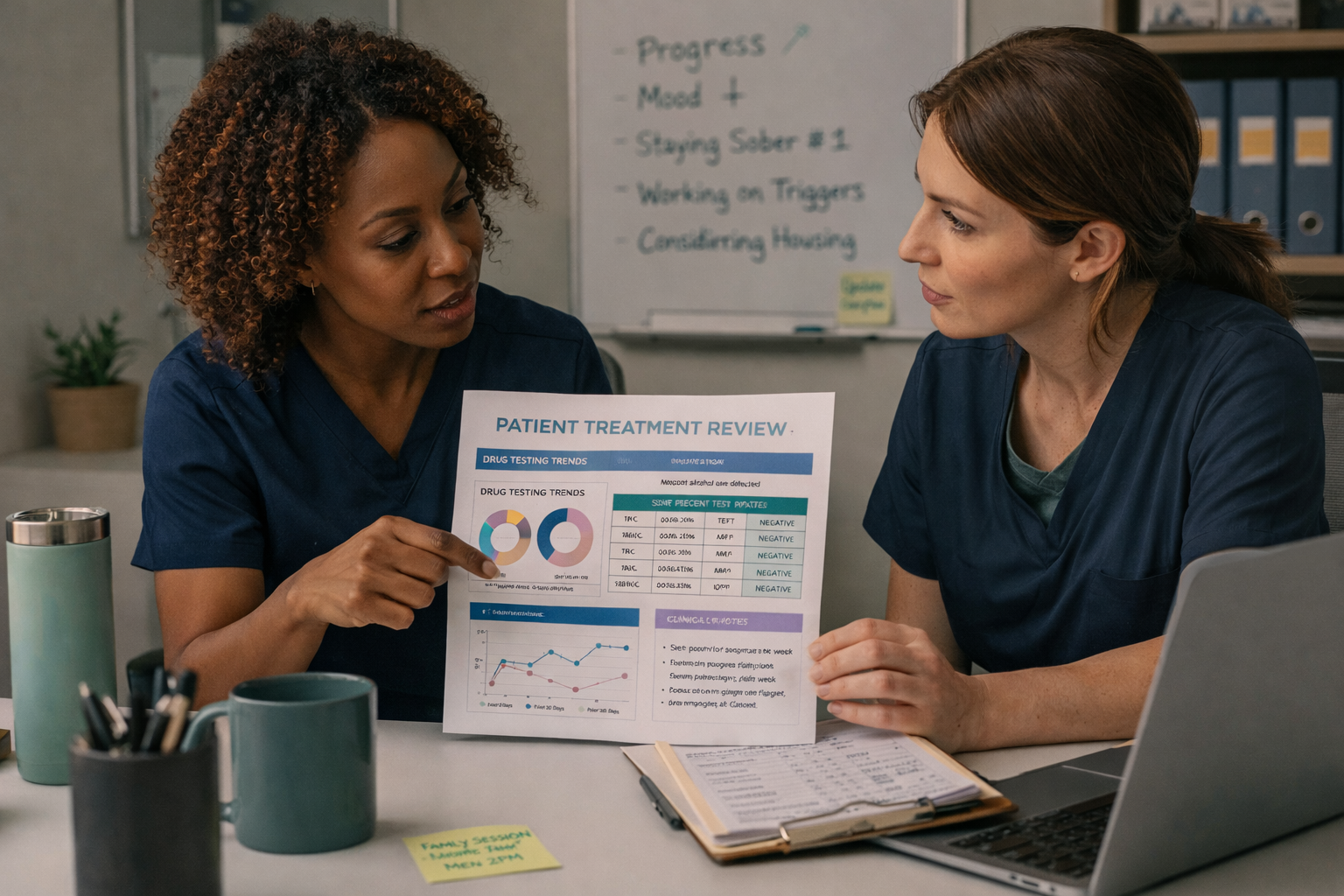
Using drug testing data to improve individual treatment plans is one of the most important ways to help people heal from substance use disorders. Today, healthcare providers use reliable data, testing methods, and ongoing monitoring to guide better care.
In the past few decades, addiction treatment has changed a lot. Treatment providers now rely on data analysis, toxicology testing, and patient medical records to make smart, informed decisions. This helps improve patient outcomes and supports long-term recovery.
At Lynk Diagnostics, drug testing is used as a powerful tool to support recovery programs and improve treatment outcomes for individual patients.
What Is Drug Testing in Addiction Treatment?
Drug testing is a way to check for drug use in the body. It can include urine drug tests, blood tests, and other testing methods. These tests look for specific substances, including illicit drugs, prescribed medications, and controlled substances.
Drug testing plays a big role in addiction treatment because it gives healthcare providers clear and reliable data about a patient’s substance use.
Common Types of Drug Testing
Urine drug tests
Blood tests
Toxicology testing
Random testing
Continuous monitoring tools
Each method helps track patient progress and detect drug use during the recovery process.
Why Data Matters in Treatment Plans
Treatment plans are not one-size-fits-all. Every patient has a different medical history, mental health indicators, and recovery journey.
Using drug testing data to improve individual treatment plans allows providers to:
Identify trends in substance use
Adjust treatment plans quickly
Provide early intervention
Support better patient outcomes
Data driven decisions help reduce human error and improve quality assurance in clinical settings.
How Drug Testing Data Improves Patient Outcomes
Drug testing gives real-time information about a patient’s behavior. This helps healthcare providers make timely interventions and timely adjustments.
Better Monitoring of Substance Use
Ongoing monitoring helps track substance abuse and drug use over extended periods. This allows treatment providers to:
Detect relapse risks early
Understand patterns of substance use
Improve treatment strategies
Supporting Early Intervention
Early intervention is key in addiction recovery. When drug testing shows signs of relapse or severe substance use, providers can act fast.
This may include:
Changing treatment approaches
Increasing therapy sessions
Adjusting medication assisted treatment
Improving Recovery Outcomes
Using reliable data helps improve recovery outcomes and better outcomes overall. Patients receive care that matches their needs, leading to improved treatment outcomes.
Role of Drug Testing in Clinical Decision Making
Drug testing data plays a big role in clinical decision making. Healthcare providers use this data to guide treatment protocols and ensure effective treatments.
Data Driven Decisions
With strong data analysis, providers can make informed decisions based on facts, not guesswork.
This helps:
Improve patient care
Reduce risks
Support evidence based practices
Adjusting Treatment Plans
As patient progress changes, treatment plans must change too. Drug testing allows providers to adjust treatment plans in real time.
For example:
If drug use is detected, care can be intensified
If progress is strong, treatment may be stepped down
Importance of Patient Medical History
A patient’s medical history is very important in addiction treatment. It includes:
Past substance use
Chronic pain conditions
Mental health indicators
Prescribed medications
By combining drug testing data with a patient’s medical history, providers can create better treatment approaches.
Drug Testing and Medication Assisted Treatment
Medication assisted treatment (MAT) is often used for opioid use disorder and other use disorders.
Drug testing helps ensure:
Patients are taking effective medicines as prescribed
There is no misuse of controlled substances
Treatment is safe and effective
This supports recovery and improves patient outcomes in healthcare settings.
Identifying Trends in Patient Population
Drug testing data also helps identify trends across a patient population.
How Trends Help
Show common relapse risks
Highlight which treatment strategies work best
Improve recovery programs
Organizations like the National Institute on Drug Abuse use this kind of health related data to guide research and clinical trials.
Continuous Monitoring in Recovery Programs
Continuous monitoring is key to long-term success. Recovery is not a short process—it takes time and effort.
Benefits of Ongoing Monitoring
Tracks treatment progress
Supports patient engagement
Builds accountability
Patients who are monitored regularly often have better recovery outcomes and feel more supported in their recovery journey.
Data Sharing and Care Coordination
Data sharing between treatment providers improves patient care. When healthcare providers work together, they can create stronger treatment plans.
Examples of Data Sharing
Lab results shared with therapists
Medical records updated across systems
Coordination between rehab centers and doctors
This leads to better outcomes and improved treatment outcomes.
Reducing Relapse Risks with Drug Testing
Relapse is a common part of addiction recovery, but it can be managed.
Drug testing helps reduce relapse risks by:
Detecting drug use early
Allowing timely interventions
Supporting careful consideration of next steps
This helps patients stay on track during their recovery journey.
Role of Regulatory Compliance
Drug testing must follow rules set by the Clinical Laboratory Improvement Amendments (CLIA) and other standards.
Why Compliance Matters
Ensures accurate test results
Protects patient safety
Supports quality improvement
Following these rules helps maintain trust in drug testing and ensures reliable data.
Improving Treatment Strategies Over Time
Over time, drug testing data helps improve treatment strategies.
Long-Term Benefits
Better understanding of substance use disorders
Stronger treatment protocols
Improved patient outcomes
This is how the field of addiction treatment continues to grow and improve.
Engaging Patients in Their Recovery
Drug testing is not just about results—it is also about engagement.
How It Helps Patients
Encourages honesty
Builds trust with providers
Supports accountability
When patients understand how drug testing supports recovery, they are more likely to stay involved in their treatment plans.
Practical Strategies for Using Drug Testing Data
Here are some practical strategies used in rehab centers and clinical settings:
Use Reliable Testing Methods
Always use accurate and trusted testing methods like urine drug tests and blood tests.
Focus on Data Analysis
Look at patterns and trends, not just one result.
Combine Data with Medical History
Use both drug testing and medical history to guide treatment.
Make Timely Adjustments
Change treatment plans quickly when needed.
Follow Evidence Based Practices
Use proven methods backed by research and clinical trials.
These steps help improve patient outcomes and ensure effective treatments.
Challenges and Careful Consideration
While drug testing is helpful, it must be used with care.
Possible Challenges
Risk of human error
Misreading results
Over-reliance on data
Providers must use careful consideration and always focus on patient care.
The Future of Drug Testing in Addiction Recovery
The future of drug testing looks bright. With better technology and data analysis, treatment providers can offer even better care.
What to Expect
More advanced continuous monitoring tools
Improved data sharing systems
Stronger focus on data driven decisions
This will lead to better patient outcomes and stronger recovery programs.
How Lynk Diagnostics Supports Better Outcomes
Lynk Diagnostics helps rehab centers and healthcare providers use drug testing data to improve individual treatment plans.
By offering reliable data, advanced testing methods, and strong support, Lynk Diagnostics plays a key role in improving treatment outcomes and supporting addiction recovery.
FAQs
How does drug testing improve treatment plans?
Drug testing provides reliable data about substance use, helping providers adjust treatment plans and improve patient outcomes.
What types of drug testing are used in rehab?
Common methods include urine drug tests, blood tests, and toxicology testing.
Can drug testing prevent relapse?
It helps detect early signs of relapse, allowing timely interventions to reduce risks.
Is drug testing safe for patients?
Yes, when done under proper guidelines and regulatory compliance, it is safe and effective.
How often should drug testing be done?
It depends on the treatment plan, but many programs use random testing and ongoing monitoring.
Resources
Substance Abuse and Mental Health Services Administration (SAMHSA): https://www.samhsa.gov
National Institute on Drug Abuse (NIDA): https://nida.nih.gov
Centers for Disease Control and Prevention (CDC): https://www.cdc.gov
U.S. Department of Health & Human Services: https://www.hhs.gov