Why Integrating Drug Testing Results Matters
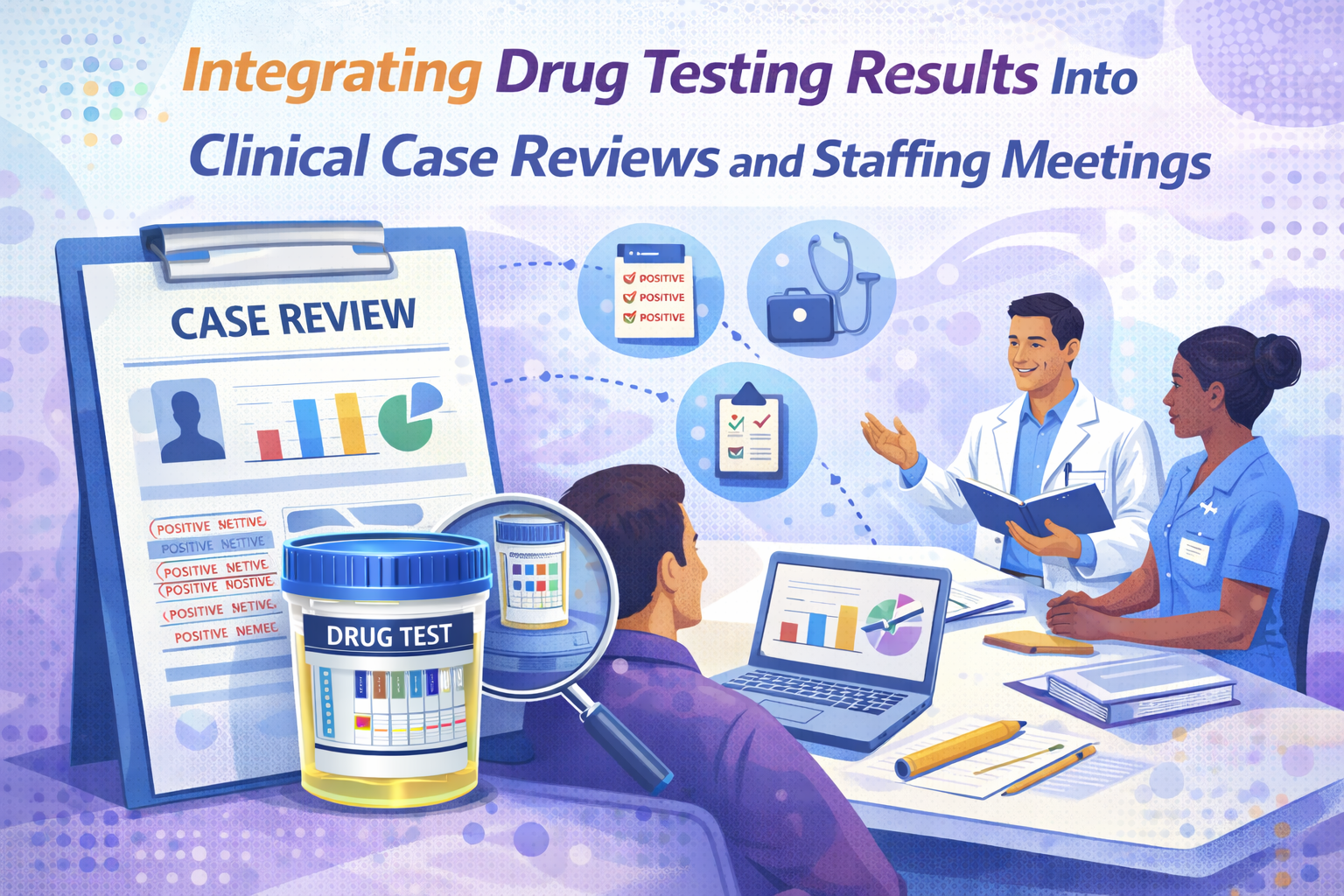
Integrating drug testing results into clinical case reviews and staffing meetings is an important part of quality care in addiction treatment. When a drug test result is reviewed the right way, it helps every clinician understand what is happening with a patient.
Drug testing is not just about finding drugs in the body. It is about improving safety, guiding treatment, and supporting recovery. When clinicians talk about drug tests during staffing meetings, they can make better care plans.
At Lynk Diagnostics, we work closely with rehab facilities to make sure every urinalysis and toxicology result is clear, accurate, and easy to understand. This supports teamwork and protects patients.
What Is a Clinical Case Review?
A clinical case review is a meeting where the care team talks about a patient’s progress. This team often includes:
- A primary clinician
- A medical provider
- A therapist
- A case manager
- Nursing staff
During this meeting, the team reviews:
- Symptoms
- Behavior changes
- Progress in addiction treatment
- Medication updates
- Drug test results
When drug testing results are added to the discussion, the team gets a fuller picture of the patient’s recovery.
The Role of Drug Testing in Addiction Treatment
Drug Testing Supports Honest Conversations
Addiction is a complex disease. Sometimes patients struggle and return to drug use. A drug test gives real, medical information. It removes guessing and helps guide care.
Instead of accusing or assuming, clinicians can say:
“Your urinalysis shows substances in your system. Let’s talk about what happened.”
This opens the door for support, not shame.
Drug Tests Improve Safety
Certain drugs can be dangerous when mixed with medications. Toxicology testing helps protect the patient from harmful drug interactions.
If a patient is prescribed medication for treatment, knowing what drugs are present in their urine can prevent serious health risks.
How to Prepare Drug Testing Results for Staffing Meetings
Use Clear and Accurate Reports
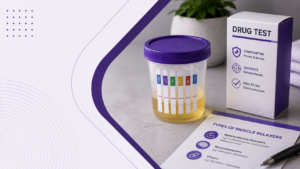
Drug testing results should be easy to read. A good toxicology report includes:
- Type of drug detected
- Confirmation testing results
- Levels found in urine
- Date and time of collection
Lynk Diagnostics provides detailed toxicology reports so clinicians can make informed decisions.
Confirm All Positive Results
Not all initial drug tests are final. Some screening tests can give false positives. Confirmatory testing using advanced toxicology methods ensures accuracy.
This protects the patient and supports ethical care.
Steps to Integrate Drug Testing Into Case Reviews
Step 1: Review Results Before the Meeting
The primary clinician should look at the drug test results ahead of time. This allows them to prepare questions and review past results.
Patterns matter. A single positive test may mean something different than repeated positives.
Step 2: Compare Results With Clinical Behavior
Drug testing should not stand alone. During staffing meetings, the team should compare:
- Drug test findings
- Attendance records
- Therapy participation
- Mood changes
- Medical symptoms
This gives context to the toxicology findings.
Step 3: Discuss Treatment Adjustments
If drug use is confirmed, the team may decide to:
- Increase therapy sessions
- Adjust medication
- Add relapse prevention planning
- Increase testing frequency
- Step up level of care
All changes should focus on helping the patient, not punishing them.
Protecting Patient Rights and Confidentiality
Drug testing results are protected health information. During staffing meetings:
- Only authorized clinicians should review results
- Records must stay secure
- Discussions should remain professional
Following HIPAA guidelines protects patient privacy and builds trust within addiction treatment programs.
Using Drug Testing Trends to Improve Care
Look for Patterns Over Time
One drug test shows a moment in time. Multiple drug tests show trends.
Clinicians should ask:
- Is the patient improving?
- Are certain drugs showing up repeatedly?
- Is the level of drugs increasing or decreasing?
This information helps guide long-term addiction treatment planning.
Measure Treatment Effectiveness
Drug testing can also show when treatment is working. Clean urine results over time can show progress.
When shared during case reviews, this helps celebrate recovery milestones.
The Importance of Medical Toxicology Knowledge
Understanding toxicology helps clinicians interpret results correctly.
For example:
- Some medications break down into metabolites
- Some drugs stay in urine longer than others
- Hydration levels can affect urinalysis
Accurate interpretation prevents mistakes in treatment planning.
Improving Communication During Staffing Meetings
Keep Discussions Non-Judgmental
Addiction is a disease. Drug testing should never be used to shame a patient.
During meetings:
- Focus on health and safety
- Use supportive language
- Avoid blame
This approach strengthens therapeutic relationships.
Document Decisions Clearly
After the meeting:
- Document drug test results
- Note treatment changes
- Record the clinical reasoning
Good documentation supports continuity of care.
Common Challenges in Integrating Drug Testing
Misinterpreting Results
Without proper toxicology knowledge, clinicians may misunderstand results. Ongoing education helps prevent errors and protects patient care.
Delays in Reporting
Late results can delay clinical decisions. Working with a reliable lab partner like Lynk Diagnostics ensures fast turnaround times.
Lack of Team Training
All clinicians should understand:
- How drug tests work
- What urinalysis measures
- What confirmation testing means
Training builds confidence in case reviews.
How Lynk Diagnostics Supports Rehab Facilities
Lynk Diagnostics is a drug testing center dedicated to rehab facilities. We support addiction treatment programs by delivering accurate and dependable toxicology services.
We provide:
- Advanced drug test panels
- Confirmatory testing for positive drug tests
- Clear, easy-to-read reports
- Fast turnaround times
- Clinical support for interpreting toxicology results
Our mission is to help clinicians integrate drug testing results into clinical case reviews and staffing meetings smoothly and responsibly.
When labs and treatment teams work together, patients receive better care.
Ethical Considerations in Drug Testing
Avoid Using Drug Testing as Punishment
Drug testing should support recovery, not create fear. When patients feel safe, they are more likely to be honest about struggles with drugs.
Use Testing to Guide Treatment
The purpose of a drug test is to guide medical and clinical decisions. It should always connect back to improving patient outcomes in addiction treatment.
Building a Structured Drug Testing Review Process
A structured process helps staffing meetings stay organized and effective.
Consider this approach:
- Review the latest urinalysis results
- Compare with prior drug tests
- Discuss behavioral observations
- Identify treatment changes
- Document decisions
When every clinician follows the same process, meetings become more effective and patient-centered.
Long-Term Benefits of Integrating Drug Testing
When drug testing results are regularly reviewed during case reviews:
- Treatment plans improve
- Relapse is identified early
- Patient safety increases
- Team communication strengthens
- Addiction recovery outcomes improve
Integrating drug testing results into clinical case reviews and staffing meetings is not just about reviewing a report. It is about delivering responsible, evidence-based treatment that supports both clinicians and patients.
FAQs About Integrating Drug Testing Results
Why should drug testing results be discussed in staffing meetings?
Drug testing results provide medical data about a patient’s substance use. Reviewing them during case reviews helps clinicians adjust treatment plans, improve safety, and support recovery.
How often should drug tests be reviewed?
Drug tests should be reviewed whenever results are available. Many rehab programs review them weekly in staffing meetings.
What is the difference between screening and confirmatory drug tests?
Screening drug tests provide quick initial results. Confirmatory toxicology testing uses advanced methods to confirm accuracy before major treatment decisions are made.
Can a urinalysis show all drugs?
Urinalysis can detect many drugs, but not every substance. The testing panel selected determines which drugs are screened.
How can rehab facilities improve integration of drug testing results?
Facilities can train clinicians in toxicology basics, use structured review processes, and partner with experienced labs like Lynk Diagnostics to ensure accurate and timely reporting.
Resources
- U.S. Department of Health & Human Services (HIPAA Information)
https://www.hhs.gov/hipaa/index.html - American Society of Addiction Medicine (ASAM)
https://www.asam.org - Substance Abuse and Mental Health Services Administration (SAMHSA)
https://www.samhsa.gov - Centers for Disease Control and Prevention (CDC) – Drug Overdose Prevention
https://www.cdc.gov/drugoverdose
Integrating drug testing results into clinical case reviews and staffing meetings strengthens addiction treatment programs. When clinicians understand toxicology findings and use them to guide care, patients receive safer and more effective treatment. With structured processes and support from Lynk Diagnostics, drug testing becomes a powerful clinical tool that supports recovery every step of the way.