What Is 3-Hydroxy LSD?
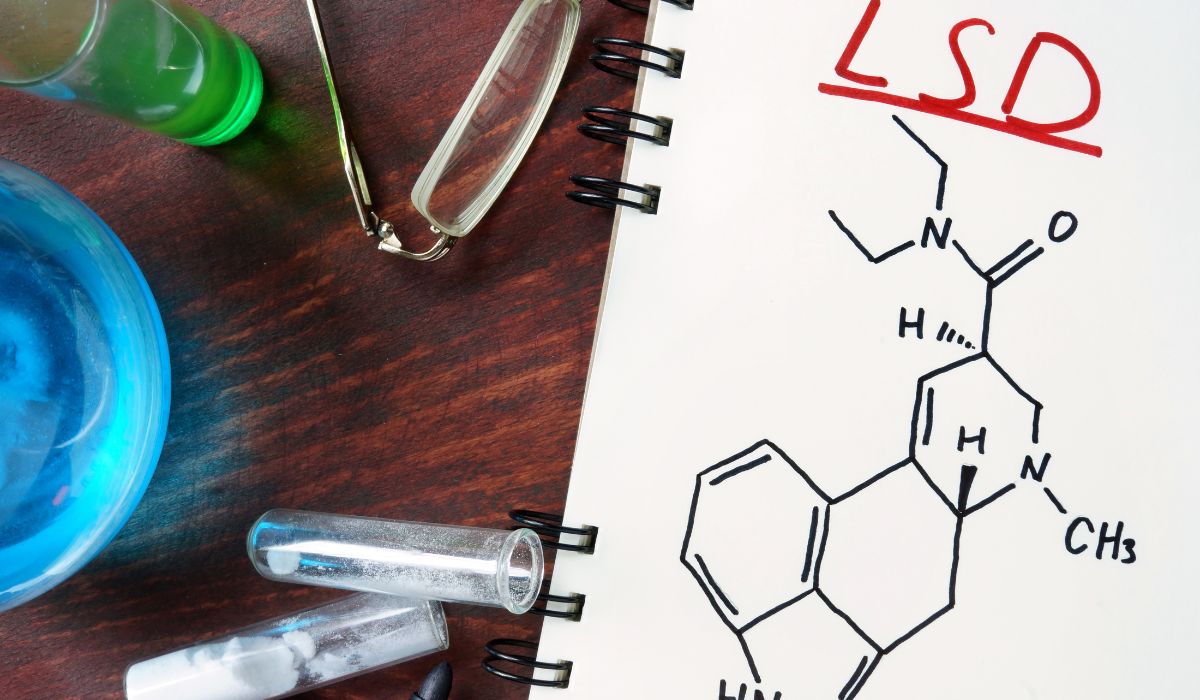
3-hydroxy LSD is a metabolite of LSD.
A metabolite is what your body turns a drug into after you take it.
When a person takes LSD (also called acid), the drug moves through the gastrointestinal tract, into the blood, and then to the liver. There, the body changes LSD into other chemicals. One of those is 3-hydroxy LSD.
These steps are called metabolism. How fast this happens depends on:
- the dose (how much you took)
- your genetics (how your body works)
- your health, especially liver health
- other drugs or medication in your system
Because 3-hydroxy LSD is part of the LSD pathway, many labs look for it when they want to know if someone used LSD.
LSD itself is a powerful hallucinogen. It changes perception of sound, color, time, and the body. People may feel strong euphoria, see bright patterns, and have intense experiences. It can also raise blood pressure, make the pupil of the eye big, and upset the stomach.
Does 3-Hydroxy LSD Show Up on a Drug Test?
This is the big question: Does 3 hydroxy LSD show up on a drug test?
The short answer is:
- It usually does not show up on a basic, everyday drug test.
- It can show up on more advanced, lab-based drug tests that are made to look for LSD and its metabolites.
Standard Workplace Drug Tests vs. LSD
Most simple workplace drug tests use a panel (for example, a 5-panel or 10-panel test). These often check for:
- amphetamine
- opiates
- phencyclidine (PCP)
- some stimulant drugs
- sometimes alcohol or other common drugs
LSD and 3-hydroxy LSD are not always included in these basic panels. So if someone only takes a standard, off-the-shelf urine test, it may not be built to find LSD or 3-hydroxy LSD at all.
This is one reason some people think LSD “doesn’t show up.” In truth, you just need the right kind of test.
Special Lab Tests for LSD Metabolites
More advanced tests, like those used in rehab centers, hospitals, or legal cases, can look for LSD and its metabolites, including 3-hydroxy LSD.
These tests may use:
- mass spectrometry
- chromatography
These are tools in biomedical sciences. They can measure very small concentrations of a drug or metabolite in urine, blood, or even hair.
At Lynk Diagnostics, a drug testing center dedicated to rehab facilit[ies], advanced drug tests can be built around what the physician or treatment team needs. That can include a panel for LSD and its metabolites like 3-hydroxy LSD.
So yes, 3-hydroxy LSD can show up on a drug test when the test is made to look for it.
How the Body Handles LSD and 3-Hydroxy LSD
From Mouth to Metabolite
LSD is often taken on small paper squares (blotter), sugar cubes, or liquid drops placed in the mouth. Less often, it might be taken in other route of administration forms.
The original LSD drug was first made from rye fungus (ergot), a fungus on grain. From there, scientists in biomedical sciences created the acid form.
Once swallowed, the drug:
- Goes into the gastrointestinal tract
- Moves into the blood
- Travels to the liver, where metabolism happens
- Becomes metabolites like 3-hydroxy LSD
- Leaves the body (this is called excretion) in urine, sometimes fat, and a small amount in hair
Your body’s metabolism, genetics, and overall health help decide how long 3-hydroxy LSD stays inside you.
Types of Drug Tests That May Detect 3-Hydroxy LSD
Urine Test and Urinalysis
A urine test (or urinalysis) is the most common kind of drug test.
For LSD and 3-hydroxy LSD:
- Simple, over-the-counter urinalysis kits rarely include LSD.
- Specialized lab urine tests can find 3-hydroxy LSD for a short time after use, depending on dose, metabolism, and concentration.
Labs serving rehab treatment programs, like Lynk Diagnostics, may use detailed urine drug tests for people dealing with addiction, dual diagnosis (mental health plus substance use), or safety concerns.
Blood Test
A blood test can also be used, but LSD and 3-hydroxy LSD may only be in the blood for a short window. Because of this, blood tests are often used:
- after an accident
- when a physician needs urgent information
- in special legal or medical cases
Again, the lab must use advanced methods like mass spectrometry to see very low levels.
Hair Follicle Testing
A hair follicle test can sometimes show past use over a longer time. Tiny amounts of drug or metabolite can get trapped in hair as it grows.
Not all labs offer LSD hair testing, and it needs special tools (like chromatography). But in some legal or forensic cases, hair testing may be part of a bigger panel of drugs.
What Changes 3-Hydroxy LSD Detection?
Body and Lifestyle Factors
Several things can change how long 3-hydroxy LSD can be found in drug tests:
- Dose: Larger doses can leave more metabolite.
- Metabolism and genetics: Some people clear drugs faster.
- Liver and health: Liver disease or other disease may slow excretion.
- Fat: Some chemicals can stay in body fat a bit longer.
- Other drugs: Using LSD with alcohol, amphetamine, opiates, or other medication can affect both safety and detection.
Because of this, two people may have different test results, even if they used the same amount of LSD.
Type and Quality of the Test
Not all tests are equal. Some quick tests use immunoassay screens. These are good for basic panels but may miss LSD.
More advanced tests, like laboratory mass spectrometry or chromatography, are better at finding 3-hydroxy LSD at low concentration.
Lynk Diagnostics focuses on high-quality lab testing to support rehab treatment programs, physicians, and mental health teams.
Mental Health, Addiction, and LSD Use
Risks to Mental Health
LSD is a controlled substance under the Drug Enforcement Administration (DEA) in the United States. It is not just a “fun trip.” It can cause serious mental health problems, especially in people who already have conditions like:
- anxiety
- depression
- panic attacks
- schizophrenia or risk for psychosis
Some people report flashbacks—sudden returns of LSD-like perception changes long after the drug is gone. Others may develop full psychosis, seeing or hearing things that are not there, and needing help from psychiatry or a physician.
Addiction, Dual Diagnosis, and Treatment
While LSD may not cause classic physical addiction like alcohol or opioids, people can still develop harmful patterns of use. They may use it often to escape feelings, which can worsen mental health.
Many people who use LSD also use other drugs, such as:
- alcohol
- amphetamines
- opiates
- other stimulants
This mix can raise the risk of accident, hospital visits, and mental health crises.
When someone has both substance use and mental health problems, it is called dual diagnosis. These people often need:
- safe detox
- structured treatment programs
- ongoing recovery support
Lynk Diagnostics partners with rehab centers and mental health teams to design drug testing that supports these treatment goals, not to punish, but to help guide treatment and recovery.
Legal and Safety Facts About LSD
LSD as a Controlled Substance
In the U.S., LSD is a Schedule I controlled substance under the Drug Enforcement Administration. This means:
- it is illegal to make, sell, or possess without special approval
- there is a high risk of harm and accident
- penalties can be serious in legal cases
Drug testing for LSD and 3-hydroxy LSD can sometimes be part of:
- court-ordered treatment programs
- child safety cases
- workplace safety rules
- monitoring after a DUI or other accident
Role of Reliable Drug Testing
Good, science-based drug tests are important. They help:
- keep people safe at work
- support treatment and recovery
- give clear information to physicians and therapists
Lynk Diagnostics uses modern lab methods based on biomedical sciences, articles, and research. Tests are designed for rehab facilities and mental health teams, not for casual or at-home use.
How Lynk Diagnostics Supports Rehab Facilities
Lynk Diagnostics is a drug testing center dedicated to rehab facility needs. That means:
- creating custom panels that may include LSD and 3-hydroxy LSD
- using reliable tools like mass spectrometry and chromatography
- working with psychiatry, therapists, and medical staff
- helping monitor detox, medication changes, and long-term recovery
When a rehab center treats people with addiction, dual diagnosis, anxiety, depression, or psychosis, accurate testing supports safer care. The goal is better health, not blame.
FAQs About 3-Hydroxy LSD and Drug Tests
Does 3-hydroxy LSD show up on a drug test?
3-hydroxy LSD usually does not show up on basic, store-bought or simple workplace drug tests. Those panels often look for amphetamine, opiates, phencyclidine, and other common drugs, but not LSD.
However, advanced lab tests made to detect LSD can find 3-hydroxy LSD, especially in urine or blood. Labs like Lynk Diagnostics can use special methods to look for this metabolite when needed.
How long can 3-hydroxy LSD be detected?
The time window depends on:
- dose
- metabolism and genetics
- liver and overall health
- type of test (urine test, blood test, or hair follicle test)
In general, specialized urinalysis can sometimes detect LSD metabolites for a short time after use. Hair tests may show past use over a longer time, but these are not used everywhere and require advanced lab tools.
Do regular workplace drug tests check for LSD?
Most routine workplace drug tests focus on drugs that are more common or more likely to cause accidents, like:
- alcohol
- amphetamines and other stimulants
- opiates
- sometimes phencyclidine and other drugs
Because of this, LSD and 3-hydroxy LSD are often not included. To test for LSD, the employer, court, or rehab center must request a specific panel that includes it.
Can LSD use affect my mental health?
Yes. LSD is a powerful hallucinogen that affects serotonin, a brain chemical linked to mood and anxiety. Some people feel happy euphoria, but others may have:
- strong panic or fear
- long-lasting depression
- flashbacks
- psychosis or symptoms that look like schizophrenia
Anyone who feels their mind has changed in a scary way after LSD should seek help from a physician, therapist, or psychiatry team. Rehab treatment programs with strong mental health support can help.
How can Lynk Diagnostics help during recovery?
For people in rehab or recovery, drug testing can:
- show if detox is going as planned
- help monitor medication and other drugs
- support honest talks with counselors and doctors
Lynk Diagnostics works with rehab centers to build safe, accurate testing plans. These plans can include LSD and 3-hydroxy LSD when needed, along with many other substances, always following science, health standards, and legal rules.
If you or someone you love is struggling with LSD, other drugs, or mental health problems, reaching out to a rehab program that partners with a trusted lab like Lynk Diagnostics can be an important step toward safe, long-term recovery.
Sources