What Is Norketamine?
Norketamine is a metabolite of ketamine.
That means it is something your body makes after you take a ketamine drug.
When ketamine is administered (given) by a physician, your liver and other organs break it down.
This process is called metabolism. During metabolism, ketamine turns into norketamine and dehydronorketamine.
Norketamine is important because:
- It shows that ketamine was in the body.
- It can affect cognition, perception, and mood.
- It may play a role in mental health treatment for major depressive disorder and anxiety.
Why Is Norketamine Used in Mental Health Treatment?
Ketamine and its metabolite norketamine can act like an antidepressant for some people.
They may be used when other medication does not help enough, especially for:
- Major depressive disorder
- Suicidal ideation (thoughts of self-harm)
- Severe anxiety or panic
- Insomnia linked with depression or stress
In some clinics, ketamine is:
- Given by injection (IV or IM)
- Used as a nasal spray (like some esketamine treatments)
- Taken by oral administration (pills or lozenges)
All of these are called the route of administration.
No matter the route of administration, some of the drug turns into norketamine in the body.
Doctors in psychiatry, therapy, and healthcare teams use these treatments carefully.
They look at dose, frequency, and the person’s full mental health history, including dual diagnosis (mental health plus addiction).
Is Norketamine a Controlled Substance?
Ketamine itself is a controlled substance in many countries.
It has:
- Medical uses in anesthesia and as an anesthetic
- Uses in mental health treatment
- Risks for ketamine abuse and addiction
Norketamine is a metabolite, so it is not usually given by itself as a medicine.
But when labs test for ketamine drugs, norketamine and dehydronorketamine are often part of the picture.
The Food and Drug Administration (FDA) oversees how ketamine and related medicines can be used, including some forms of esketamine and nasal spray treatments for major depressive disorder.
Because ketamine is related to other drugs like phencyclidine (PCP) and can affect cognition, sedation, and perception, it is watched closely by healthcare teams.
Does Norketamine Show Up on a Drug Test?
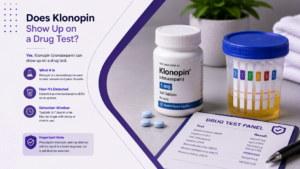
This is the big question: Does Norketamine show up on a drug test?
The short answer is:
- Yes, norketamine can show up on certain drug tests, especially tests that look for ketamine use.
- No, it is not always seen on basic 5-panel screens that only check for common drugs like amphetamine, methamphetamine, opiate, and others.
How Labs See Norketamine
Modern labs, like Lynk Diagnostics, may use special tools such as:
- Mass spectrometry
- Advanced drug tests that look for specific metabolites
These tests can measure:
- The concentration of ketamine
- Levels of norketamine
- Levels of dehydronorketamine
This gives more detailed data to physicians and treatment centers.
It helps them understand if a patient is:
- Taking their ketamine drug as prescribed
- At risk of ketamine abuse
- Mixing ketamine with other drugs like alcohol, fentanyl, tramadol, methadone, or opioid pain medicine
What Types of Drug Tests Can Detect Norketamine?
Norketamine can be seen in different drug test types. Each type has its own window of detection and risk for missing or finding the drug.
Urine Tests
A urine test is one of the most common types of drug screens.
- Labs test urine for ketamine and metabolites like norketamine.
- Norketamine can show in a urine test for a short time after use, depending on dose and frequency.
- Enzyme systems in the liver and kidneys affect how fast the drug leaves the body.
At Lynk Diagnostics, urine drug tests are often used in rehab facility settings to check for:
- Recent ketamine use
- Opiate and opioid drugs
- Other controlled substances like amphetamine and methamphetamine
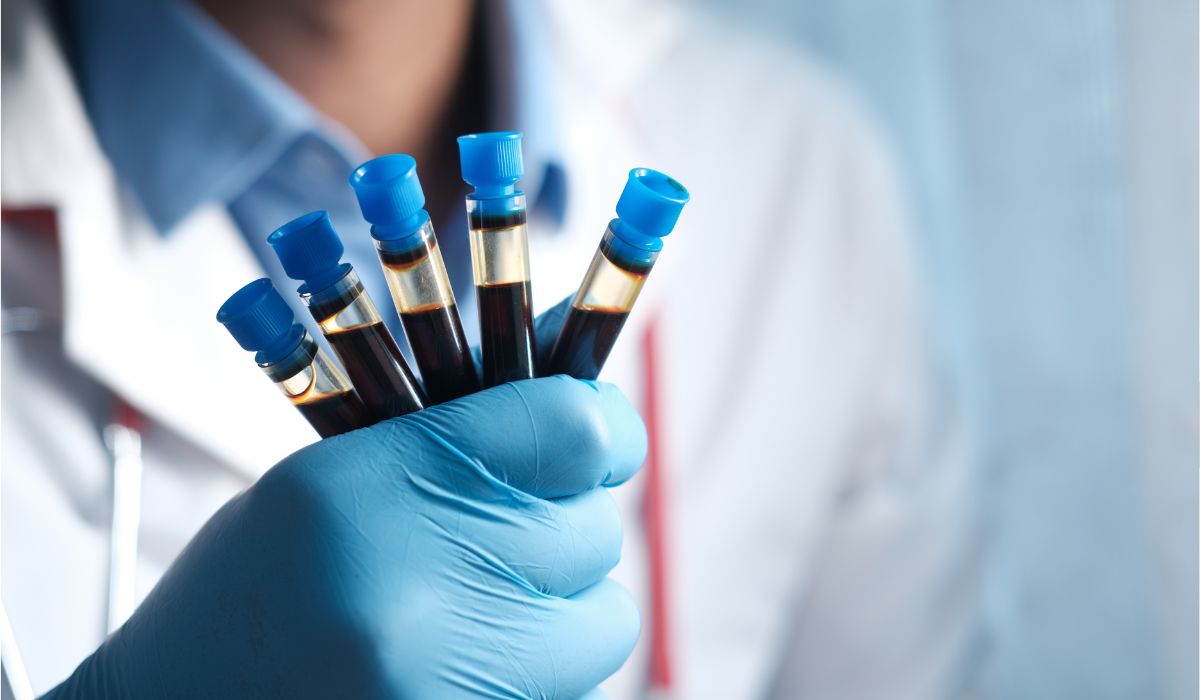
Blood Tests
A blood test can also detect ketamine and norketamine:
- It shows what is in the blood at that moment.
- It can help when checking for sedation, anesthesia, or side effects like bladder issues or changes in cognition.
- Blood test results can help physicians adjust dose and monitor health and medicine safety.
Saliva Tests
Saliva testing may sometimes be used in drug tests:
- Saliva can show recent ketamine drug use.
- It may be used when urine collection is hard.
- Saliva testing can also look for other drugs such as amphetamine, methamphetamine, and alcohol.
Hair Tests
Hair and hair follicle tests can show a longer history of drug use:
- Norketamine and ketamine may be trapped in the hair as it grows.
- This can show frequency and patterns of use over weeks or months.
- Hair tests are often used in legal, work, or long-term addiction and recovery cases.
Hair testing can also look for many other drugs, including:
- Opiate and opioid medications
- Methamphetamine
- Fentanyl
- Alcohol markers in some panels
How Long Can Norketamine Stay in the Body?
How long norketamine stays in the body depends on:
- Dose of ketamine
- Frequency of use
- Route of administration (injection, nasal spray, oral administration)
- Genetics and individual metabolism
- Liver and kidney health
- Other medicine like methadone, tramadol, or antidepressant drugs
Because everyone’s body and enzyme systems are different, the exact time frame can change.
Some people may clear the drug faster. Others with liver disease, heavy use, or other drugs in their system may take longer.
Norketamine, Dual Diagnosis, and Rehab
Many people in rehab or treatment centers have dual diagnosis:
- A mental health condition like major depressive disorder, anxiety, or insomnia
- Plus substance abuse or addiction to alcohol, opioid, amphetamine, methamphetamine, or other drugs
In these cases, doctors and therapists want to:
- Use ketamine drug or related treatments safely
- Watch for ketamine withdrawal, ketamine abuse, or mixing with other drugs
- Support recovery with therapy, psychiatry, and careful medicine management
Drug tests that look for norketamine help the healthcare team:
- Confirm that treatment is being used as planned
- Protect the patient from risk of overdose or dangerous drug mix
- Plan safe changes to treatment or mental health therapy
Side Effects and Safety Concerns
Ketamine and norketamine can have both helpful and harmful effects.
Possible helpful effects:
- Fast relief for major depressive disorder
- Lower suicidal ideation
- Better sleep for some people with insomnia
- Reduced pain in some chronic conditions
Possible risks and side effects:
- Sedation (feeling very sleepy)
- Dissociative feeling (feeling away from your body or surroundings)
- Changes in perception (how you see or hear things)
- Bladder or bladder pain with heavy long-term abuse
- Stress on the liver and other organs
- Ketamine withdrawal if stopped suddenly after heavy use
Mixing ketamine with:
- Alcohol, opioid drugs, fentanyl, methadone, or tramadol
- Other sedating medicines
can be very dangerous. It can affect breathing, heart rate, and cognition, and raise the risk of overdose.
This is why rehab centers and physicians use drug tests and drug screens to track drugs in the body.
How Lynk Diagnostics Supports Rehab Facilities
Lynk Diagnostics is a drug testing center dedicated to the needs of rehab facility partners and their patients.
For people using ketamine drug treatment, Lynk Diagnostics can:
- Check urine, blood, saliva, or hair samples for ketamine, norketamine, and dehydronorketamine
- Look for other substances like alcohol, opioid, opiate, amphetamine, methamphetamine, and fentanyl
- Use advanced tools like mass spectrometry to measure the concentration of each drug
This helps:
- Physicians and psychiatry teams make safe treatment choices
- Therapy and mental health treatment teams support long-term recovery
- Patients move toward a healthier life with less stress, better sleep, and better mental health
What If You Are Worried About a Drug Test?
If you are worried about a drug test or drug screen:
- Talk honestly with your physician or mental health provider.
- Tell them about all medication, drugs, alcohol, and supplements you use.
- Ask how ketamine, norketamine, esketamine, or other treatments may show on tests.
Never stop a prescribed medicine on your own, especially if it is used for major depressive disorder, anxiety, or pain.
Stopping suddenly can worsen panic, insomnia, or suicidal ideation.
Healthcare teams can help you adjust treatment safely and plan for any drug tests.
FAQs About Norketamine and Drug Tests
Does Norketamine show up on a drug test?
Yes, norketamine can show up on a drug test, especially tests that are designed to look for ketamine drug use.
Basic tests may only list “ketamine,” but labs like Lynk Diagnostics can see norketamine and dehydronorketamine using advanced methods such as mass spectrometry on urine, blood, saliva, or hair samples.
Can Norketamine be detected in a urine test?
Yes. A urine test is a common way to find ketamine and its metabolite norketamine.
The detection time depends on dose, frequency, and your metabolism and health. Lynk Diagnostics uses urine tests and other tools to help rehab facilities monitor ketamine treatment and ketamine abuse.
Will Norketamine show in a blood or saliva test?
It can. A blood test can show norketamine in the blood for a limited time after the drug is administered.
Saliva testing can also show recent use in some drug screens. These tests may be used when doctors need fast, real-time information about what is in your body.
How long does Norketamine stay in hair?
Norketamine and ketamine can stay in hair and hair follicle samples much longer than in blood or saliva.
Hair tests can sometimes show drug use over weeks or months. This is why hair testing is used in some legal cases, work settings, or long-term addiction and recovery monitoring.
What should I do if I have ketamine treatment and a drug test coming up?
Tell your physician, therapist, or psychiatry provider about any upcoming drug tests.
They can explain how your treatment, including ketamine, esketamine, or related medicines, might appear on a drug screen.
Lynk Diagnostics works with healthcare teams to give accurate lab results so you can stay safe, follow your treatment plan, and continue your journey toward recovery and better mental health.
Sources