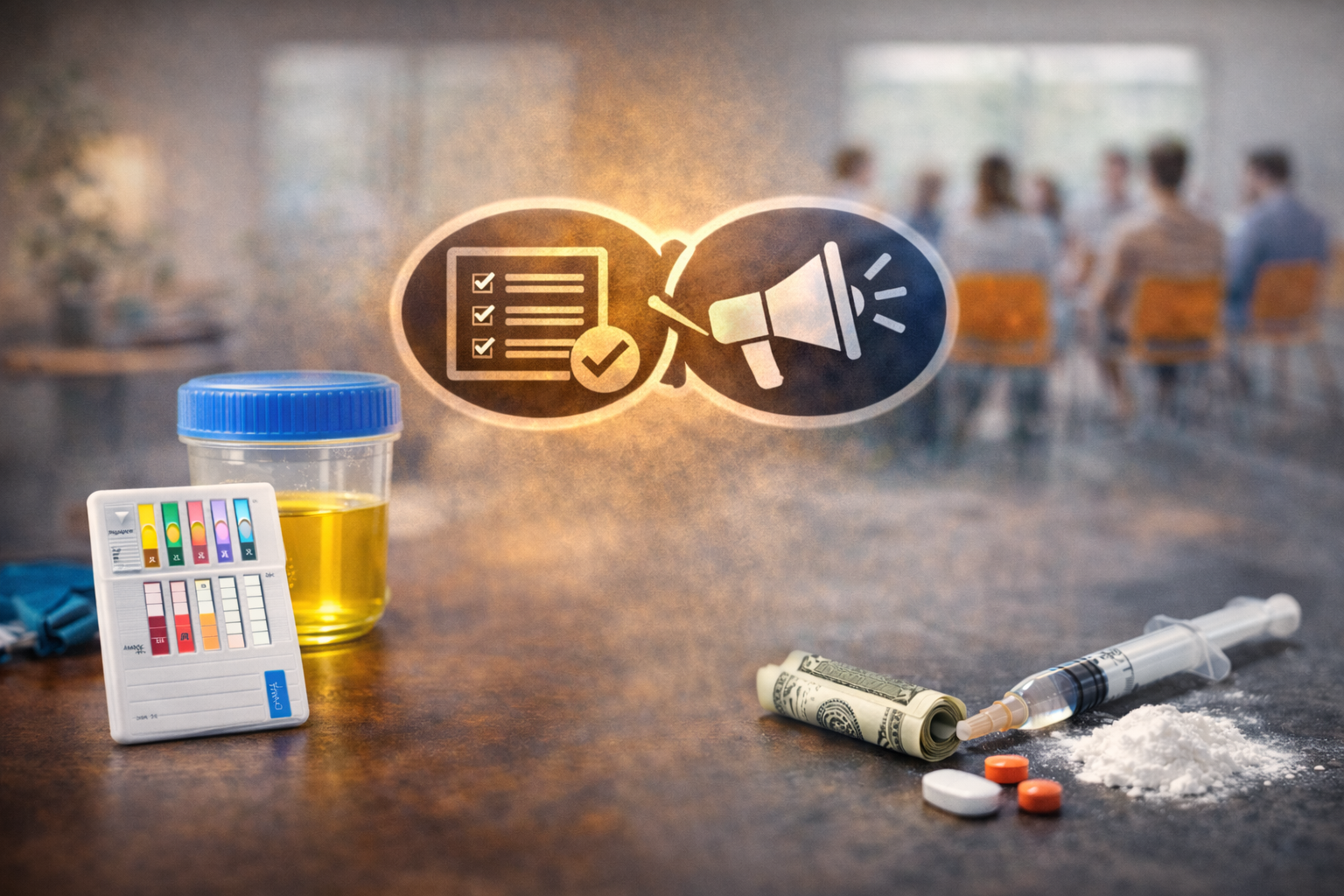
Rehab centers play a crucial role in helping people recover from substance use disorder. One important part of this process is drug testing. But it must be done in a fair and safe way. When done right, drug testing supports recovery, builds trust, and protects patient rights.
Understanding how rehab centers can ensure fair drug testing practices helps both patients and treatment providers create a better path toward addiction recovery.
Why Drug Testing Matters in Rehab
Drug testing is a valuable tool in addiction treatment. It helps clinicians monitor progress and detect drug use early. This allows treatment providers to adjust care plans quickly.
In rehab programs, drug testing helps:
Support relapse prevention
Maintain accountability
Create a drug free environment
Track patient progress
Drug testing also plays a crucial role in early intervention. When substance use is detected early, it can prevent bigger setbacks in recovery.
Common Drug Testing Methods Used in Rehab
There are several testing methods used in rehab facilities. Each one has its own benefits and purpose.
Urine Testing
Urine testing is the most common method used in rehab centers. It is cost-effective and can detect many illicit drugs.
This method helps identify recent drug use and provides reliable results when done properly.
Saliva Tests
Saliva tests are simple and provide immediate results. They are often used for quick screening in outpatient programs or during routine check-ins.
Hair Follicle Tests
Hair follicle tests can detect drug use over a longer period. These tests are useful for understanding long-term substance use patterns.
Choosing the Right Testing Method
A combination of testing methods may be used to improve accuracy and reliability. Treatment providers choose methods based on the patient’s specific needs and treatment program.
Ensuring Fair Drug Testing Practices
Fairness in drug testing is very important. It helps build trust between patients and rehab centers.
Clear Policies and Communication
Rehab centers should clearly explain their drug testing policies. Patients should understand:
When testing will happen
What substances are tested
How results are used
Transparency reduces confusion and helps patients feel supported.
Protecting Patient Rights
Patient privacy and dignity must always come first. Testing should be done respectfully and confidentially.
Treatment providers must follow health guidelines and protect patient information at all times.
Avoiding False Positives
False positives can happen in drug screening. Some medications or foods can affect results.
To ensure fairness:
Confirm results with lab testing
Review medications and interactions
Use accurate testing methods
This helps prevent unfair consequences for patients.
Using Certified Labs
Reliable lab testing improves accuracy. Certified labs follow strict standards to ensure correct results.
Lynk Diagnostics works with rehab centers to provide accurate and reliable drug testing services that support fair practices.
The Role of Drug Testing in Treatment Programs
Drug testing is not meant to punish patients. Instead, it supports recovery and ongoing treatment.
Supporting Addiction Recovery
Drug testing helps patients stay accountable. It also gives clinicians important information about progress.
Adjusting Treatment Plans
If drug use is detected, treatment providers can adjust care plans. This may include:
More counseling sessions
Medication assisted treatment
Increased support and guidance
Encouraging a Drug Free Environment
A drug free environment is important in rehab facilities. Testing helps ensure safety for all patients and staff.
Drug Testing in Different Rehab Settings
Drug testing is used in many types of rehab programs.
Inpatient Rehab Facilities
In a highly structured environment, drug testing is often scheduled regularly. This helps maintain safety and accountability.
Outpatient Programs
Outpatient programs may use random drug testing. This helps monitor patients while they continue daily life activities like employment and family responsibilities.
Specialized Treatment Programs
Some rehabilitation centers focus on specific needs, such as alcohol use or medication assisted treatment. Testing methods may vary based on the type of substance and treatment goals.
Addressing Substance Use and Relapse
Relapse is a common part of recovery. Drug testing helps detect relapse early so treatment providers can respond quickly.
Early Detection Saves Lives
Early detection of drug use allows for immediate support. This reduces the risk of overdose and other health issues.
Building Accountability
Maintaining accountability is key in addiction recovery. Drug testing helps patients stay committed to their treatment program.
Providing Support, Not Punishment
When a relapse happens, the focus should be on support and care. Rehab centers should use testing results to guide treatment, not to shame patients.
The Importance of Accuracy and Reliability
Accurate drug testing is essential for fair practices.
Using Reliable Testing Methods
Rehab centers should use testing methods that provide consistent and accurate results.
Confirming Results
All positive results should be confirmed with lab testing. This reduces the risk of errors and false positives.
Monitoring Interactions
Some medications can affect drug test results. Clinicians must review patient medications to avoid mistakes.
How Lynk Diagnostics Supports Fair Drug Testing
Lynk Diagnostics helps rehab centers ensure fair drug testing practices. Their services are designed to support treatment providers and patients.
They offer:
Reliable drug testing services
Accurate lab results
Support for rehab facilities
Guidance for treatment programs
By working with trusted partners like Lynk Diagnostics, rehab centers can improve the effectiveness and fairness of their testing processes.
Creating a Patient-Centered Approach
Fair drug testing focuses on the patient.
Respect and Dignity
Patients should feel respected during the testing process. This builds trust and improves engagement in treatment.
Personalized Care
Each patient has unique needs. Testing plans should match those needs and support their recovery journey.
Education and Awareness
Patients should understand the importance of drug testing. Education helps them see testing as a helpful tool, not a punishment.
The Role of Clinicians in Fair Testing
Clinicians play a crucial role in ensuring fair drug testing practices.
They must:
Interpret results carefully
Consider patient history
Provide counseling and support
Adjust treatment plans as needed
Their guidance helps patients stay on track and reach long-term recovery goals.
Balancing Accountability and Compassion
Fair drug testing is about balance. Rehab centers must maintain accountability while showing compassion.
A supportive approach helps patients feel safe and motivated. This leads to better outcomes in addiction recovery.
The Future of Drug Testing in Rehab
Drug testing continues to evolve. New testing methods and technologies improve accuracy and provide faster results.
Rehab centers that adopt these advancements can offer better care and improve patient outcomes.
FAQs
What is the most common method of drug testing in rehab centers?
The most common method is urine testing. It is widely used because it is cost-effective and can detect many substances.
Can drug tests show alcohol use?
Yes, some tests can detect alcohol use. Specialized testing methods are used to identify alcohol in the body.
What causes false positives in drug testing?
False positives can happen due to medications, certain foods, or testing errors. Confirmatory lab testing helps prevent mistakes.
How often do rehab centers perform drug testing?
Testing frequency depends on the treatment program. It may be random or scheduled based on the patient’s needs.
Why is drug testing important in addiction recovery?
Drug testing helps monitor progress, prevent relapse, and support a drug free environment. It plays a crucial role in successful recovery.
Resources
Substance Abuse and Mental Health Services Administration (SAMHSA): https://www.samhsa.gov
National Institute on Drug Abuse (NIDA): https://nida.nih.gov
Centers for Disease Control and Prevention (CDC) – Substance Use: https://www.cdc.gov/substance-use
American Society of Addiction Medicine (ASAM): https://www.asam.org