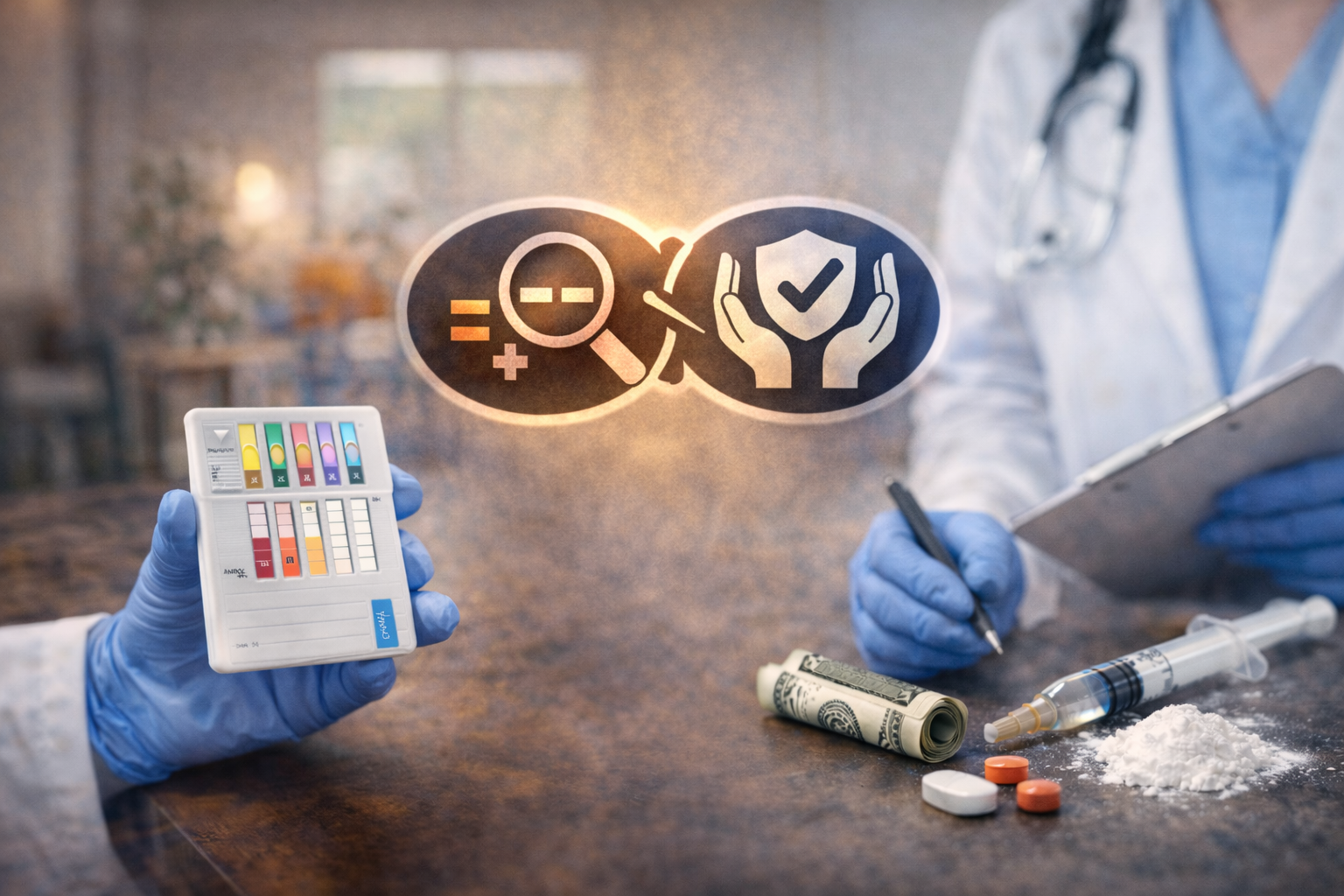
The ethical considerations of drug testing in addiction treatment are very important. Drug testing helps treatment providers understand a patient’s drug use. But it also raises ethical issues about privacy, fairness, and trust.
People in substance abuse treatment programs often feel vulnerable. They may worry about how their drug abuse patient records and medical records are used. Mental health professionals must follow medical ethics to protect each patient’s welfare.
Drug testing, drug screening, and laboratory testing are useful tools. But they must be used in a way that respects patient autonomy and protects sensitive information.
Why Drug Testing Is Used in Substance Abuse Treatment
Drug testing helps track substance use and supports recovery. It is often used in substance abuse testing and substance abuse screening.
Supporting Diagnosis and Treatment
Drug tests help with diagnosis and disorder treatment. They show if a patient is using drugs, alcohol, or other substances. This helps mental health counselors and medical teams adjust care plans.
Monitoring Progress in Treatment Programs
In substance abuse treatment programs, regular testing can show progress. A negative test can show success. A positive test may mean the patient needs more support.
Improving Patient Safety
Drug testing helps reduce health risks. For example, patients with opioid use disorder may be at risk if they relapse. Testing helps prevent harm and supports safe treatment.
Ethical Issues in Drug Testing
Even though drug testing helps, there are many ethical dilemmas to consider.
Balancing Care and Control
Drug testing can feel like control instead of care. Some patients may feel judged or punished. This can discourage patients from being honest or seeking help.
Protecting Patient Autonomy
Patient autonomy means patients should have control over their care. They should understand why testing is needed and agree to it. Patients consent is key.
Avoiding Harm
Medical ethics focus on “do no harm.” Drug testing should not cause stress or shame. It should support healing, not harm mental health.
The Role of Informed Consent
Informed consent is one of the most important ethical requirements.
What Informed Consent Means
Patients must have a clear understanding of drug testing. They should know:
Why the test is needed
What substances are being tested
How results will be used
Respecting the Right to Refuse
Patients have the right to refuse treatment or refuse testing. However, in some cases, like the criminal justice system or child protective services, refusal may have consequences.
Building Trust Through Transparency
When patients understand the process, they are more likely to accept treatment. Without clear communication, patients may feel betrayed.
Privacy and Protecting Sensitive Information
Drug testing results are part of medical records. These records contain sensitive information that must be protected.
Federal Regulations and State Laws
Health and human services rules, along with federal regulations and state laws, protect patient data. The Health Insurance Portability and Accountability Act (HIPAA) ensures privacy.
Substance Abuse and Mental Health Protections
The mental health services administration provides guidelines for protecting substance abuse and mental health records. These rules help prevent misuse of such information.
Limiting Who Can See Results
Only authorized people should access results. Disclose information only when necessary. Protecting privacy builds trust in treatment programs.
Ethical Use of Drug Test Results
Drug test results must be handled with care.
Understanding Positive Results
A positive test does not always mean intentional drug use. For example, poppy seeds can sometimes cause a positive result. This is why confirmatory laboratory testing is important.
Avoiding Wrong Conclusions
Mental health professionals must review evidence carefully. They should not make quick judgments based on one test.
Supporting, Not Punishing
If a patient has a positive test, the goal is to help—not punish. The focus should be on improving substance use treatment and addressing the substance use problem.
Special Situations in Drug Testing
Some situations make ethical decisions more complex.
Hospitalized Trauma Patients
Hospitalized trauma patients may be tested without full consent in emergencies. This raises ethical issues about patient rights and urgent care needs.
Child Protective Services Cases
In cases of child abuse or child protective services involvement, drug testing may be required. The goal is to protect children, but it must still respect the patient.
Criminal Justice System Involvement
Drug testing is often used in the criminal justice system. Courts may require testing as part of a program. In some cases, a search warrant may be needed. A supreme court case has shaped rules about testing and privacy.
Workplace and Social Impacts of Drug Testing
Drug testing can affect more than treatment.
Job Performance and Employment
Drug testing may impact job performance and employment. Some workplaces require testing. This can affect insurance coverage and financial stability.
Stigma and Mental Health
People with substance use disorders may feel shame. Drug testing can increase stigma if not handled carefully. This can hurt mental health and discourage patients from seeking help.
Ethical Guidelines from National Organizations
Many groups provide guidance on ethical drug testing.
National Association and American College Guidance
The national association of addiction professionals and the American College of Medical Toxicology provide ethical standards. These groups stress fairness, respect, and patient-centered care.
Role of the National Center for Research
A national center focused on substance use research provides evidence-based practices. These help improve fairness in testing and treatment.
Best Practices for Ethical Drug Testing
Treatment providers can follow best practices to improve care.
Use Clear Communication
Always explain testing procedures. Make sure patients have a clear understanding.
Get Proper Consent
Ensure patients consent before testing. Respect their choices whenever possible.
Protect Privacy
Keep medical records safe. Follow all health and human services rules.
Focus on Patient Welfare
Always put the patient’s welfare first. Drug testing should support recovery, not harm it.
Use Reliable Testing Methods
Use accurate laboratory testing and confirm results. This avoids errors and builds trust.
Addressing Ethical Dilemmas in Treatment
Ethical dilemmas are common in substance abuse treatment.
Balancing Rules and Compassion
Programs must follow rules but also show compassion. Strict rules can discourage patients. Flexible, caring approaches help people stay in treatment.
Encouraging Patients to Seek Treatment
Ethical care encourages patients to seek treatment and accept treatment. It does not push them away.
Handling Alcohol and Drug Problems Together
Many patients struggle with alcohol problem and drug use. Treatment should address both. Ethical care looks at the whole person, not just test results.
The Importance of Trust in Treatment
Trust is key in addiction recovery.
Building Strong Relationships
Mental health counselors and medical teams must build trust. Honest communication helps patients feel safe.
Avoiding Feelings of Betrayal
If patients feel betrayed, they may leave treatment. Ethical testing helps prevent this.
Supporting Long-Term Recovery
Trust supports long-term recovery. Patients who feel respected are more likely to stay in programs and succeed.
The Future of Ethical Drug Testing
Drug testing will continue to evolve.
Improving Technology
New testing methods may improve accuracy and reduce false positives.
Stronger Ethical Standards
As awareness grows, ethical requirements will become stronger. Programs will focus more on patient rights and fairness.
Better Integration with Mental Health Care
Substance abuse and mental health care are closely linked. Ethical testing will support both areas together.
FAQs
What are the ethical considerations of drug testing in addiction treatment?
They include patient autonomy, informed consent, privacy, and protecting sensitive information while supporting recovery.
Why is informed consent important in drug testing?
It ensures patients understand the process and agree to it. This builds trust and respects their rights.
Can a patient refuse drug testing?
Yes, in many cases a patient can refuse treatment or testing. But there may be exceptions in legal or safety situations.
What happens after a positive drug test?
A positive test should lead to support, not punishment. Treatment providers adjust care plans to help the patient.
How is patient privacy protected in drug testing?
Federal regulations and state laws protect medical records. Only authorized people can access test results.
Resources
Substance Abuse and Mental Health Services Administration (SAMHSA): https://www.samhsa.gov
U.S. Department of Health & Human Services (HHS): https://www.hhs.gov
American Society of Addiction Medicine (ASAM): https://www.asam.org
National Institute on Drug Abuse (NIDA): https://nida.nih.gov