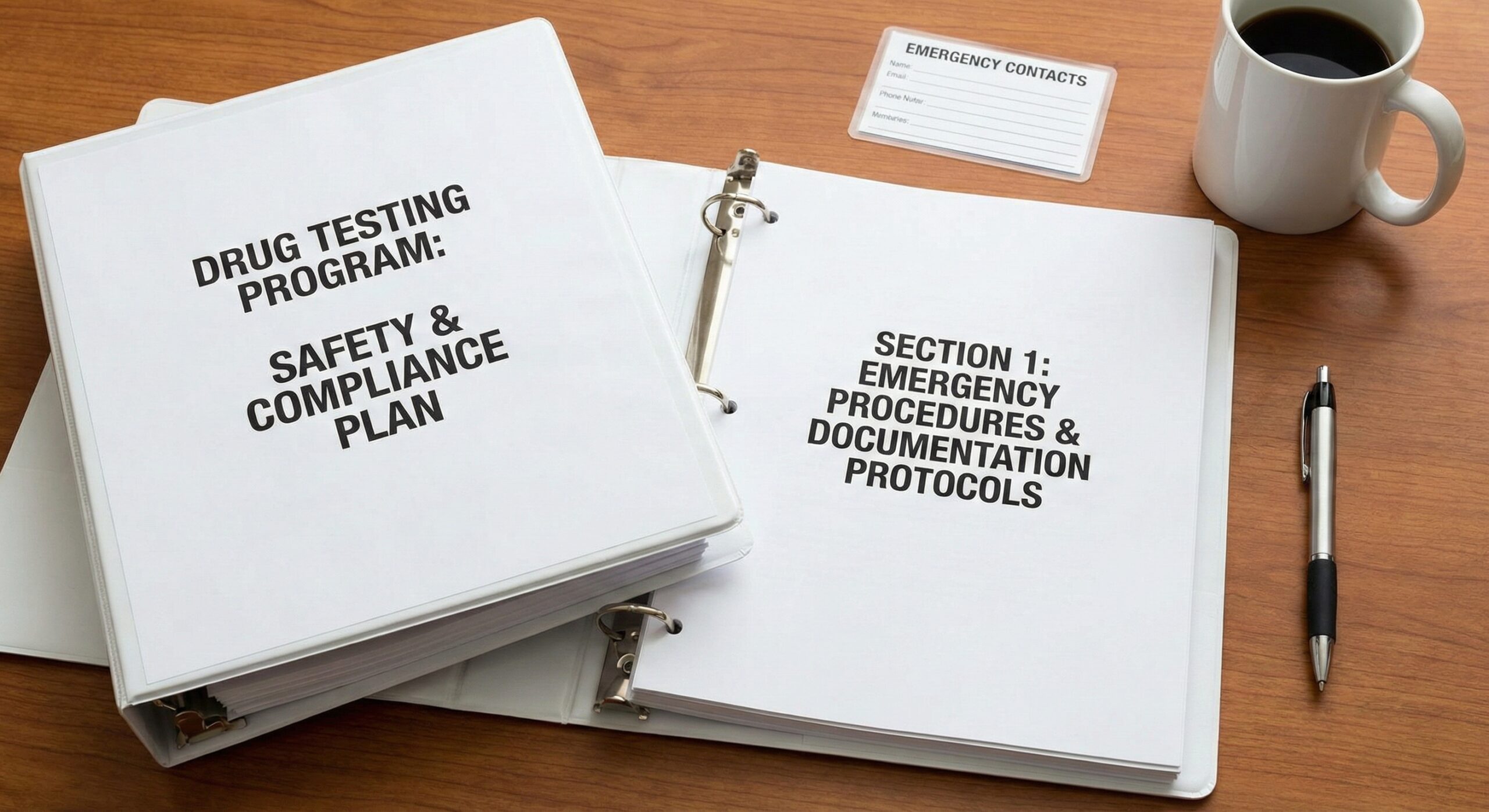
What Is a Safety Plan for a High-Risk Client?
A safety plan is a written strategy that helps reduce danger. It is often used when someone has a higher chance of relapse, unsafe choices, or rule-breaking. In a workplace setting, the plan may support safe employment, steady productivity, and better health and safety for everyone.
A good plan is not meant to shame a person. It is meant to build confidence, protect workplace safety, and support long-term sobriety.
Who Is “High-Risk” in a Workplace Setting?
A “high-risk” client or worker might be someone who:
- Recently completed treatment for abuse of drugs or drug and alcohol use
- Works in a job where one mistake can cause injury or accidents
- Has a past pattern of absenteeism or unsafe choices
- Is in early recovery and needs extra support to stay stable
High-risk does not mean “bad.” It means the plan needs to be stronger and clearer.
Why Drug Testing Belongs in the Safety Plan
Drug testing is one part of a bigger plan. It helps a team make safer decisions with real facts, not guesses. It can also support fairness when rules are applied to all employees.
Drug testing can help with:
- Early warning signs of relapse
- Clear steps for support and next actions
- Better accountability and integrity
- Lower risk of injuries and major incidents
Drug Testing Helps Stop Small Problems From Becoming Big Ones
If someone is using illicit drugs, they may hide it. But use can lead to unsafe choices at work—especially in construction, manufacturing, or transport jobs. Testing can help catch the problem early so the person can get help before a serious event happens.
Workplace Safety Risks in Safety-Sensitive Jobs
Some jobs have higher danger. In these roles, a single mistake can harm the worker and others.
Industries Where Safety Plans Matter Most
Drug testing is often part of risk planning in:
- Construction (falls, heavy tools, jobsite hazards)
- Manufacturing (machines, sharp parts, chemical exposure)
- Transport (driving, loading, public safety)
In these settings, drug use can raise the chance of:
- Workplace accidents
- Serious injury and long-term harm
- Property damage and lost time
- Lower team trust and lower productivity
A safer workforce helps a company protect its people and its reputation.
Reasonable Suspicion and Immediate Safety Steps
A key part of many workplace plans is reasonable suspicion. This means a trained supervisor sees signs that suggest possible use (like unsafe behavior, strong odors, or sudden confusion). It is not about rumors. It is about safety and documented facts.
How Reasonable Suspicion Fits a Safety Culture
When done the right way, reasonable suspicion supports a strong safety culture:
- It uses clear rules, not bias
- It protects the person and the team
- It reduces unsafe guessing
- It supports fair action
Managers should be trained so they follow the same steps every time. This helps the organization build trust.
Drug Policy Basics That Keep Things Fair
A safety plan works best when it matches the workplace drug policy. The policy should be written clearly and shared with all staff. It should also explain what happens after a positive result, a refusal, or a safety incident.
What to Include in Drug Testing Policies
Strong drug testing policies often include:
- When testing happens (pre-employment, random, post-incident)
- Which tests are used (urine, oral fluid, or others)
- When alcohol testing may be required
- How results are protected for privacy
- Steps for support, return-to-work, and follow-up
Clear policies help prevent confusion and reduce conflict.
Regulatory Compliance and Legal Duties
Workplaces may have rules they must follow. This can include local, state, or federal requirements depending on the job.
OSHA and Workplace Safety Expectations
Many safety plans connect to occupational safety and health goals. Employers may look to guidance tied to the Occupational Safety and Health Administration and overall safety practices to prevent harm and promote safer work conditions.
Because legal rules can be complex, companies should talk with their compliance and HR teams. A plan must support regulatory compliance without breaking privacy rules or treating people unfairly.
Random Drug Testing and Testing Programs
Some workplaces use random drug testing to reduce risk and protect the team. Random testing works best when it is truly random and applied consistently.
Why Random Testing Can Help
Random testing can:
- Discourage use before it starts
- Support a safer daily routine
- Reduce risk in high-hazard areas
- Improve trust that rules are real
Random testing is one part of larger testing programs. The best programs also include training, support, and clear response steps.
The Human Side: Support, Not Just Discipline
A safety plan should include help. When someone struggles, support can improve outcomes and reduce repeat problems.
Employee Assistance Program and Recovery Support
Many employers use an employee assistance program to connect workers to counseling, treatment, and support resources. This can help address stress, relapse risk, and personal struggles that may show up as work problems.
Safety plans that include support often see:
- Lower employee turnover
- Less absenteeism
- Better workplace trust
- Higher long-term stability
Leadership and Managers: Setting the Tone
A plan only works if leaders take it seriously. Leadership creates the tone of the workplace culture. When leaders act with fairness, the plan feels safer for everyone.
How Managers Build Organizational Culture
Managers can strengthen organizational culture by:
- Modeling calm, respectful action
- Following the same steps every time
- Protecting privacy
- Focusing on safety and health, not shame
Good management builds a workplace where people feel safe asking for help before things get worse.
Risk Management: Turning Rules Into Real Action
Risk management means you identify risks, reduce them, and track results. Drug testing can be one way to measure risk and guide next steps.
Why Drug Testing Supports Confidence
When a workplace has clear rules and reliable testing, it can increase confidence:
- Confidence that safety rules are real
- Confidence that people are treated fairly
- Confidence that decisions are based on facts
This protects the person in recovery and the people around them.
Checklist: Drug Testing in a Safety Plan for a High-Risk Client
A simple checklist can help teams stay consistent. Here is a practical list you can adapt:
Step-by-Step Checklist
- Define the safety goal (reduce accidents, protect health, prevent injuries)
- Review job risk level (especially construction, manufacturing, and transport)
- Write or update the policy and drug policy
- Make sure the plan supports compliance and regulatory compliance
- Decide which tests will be used (often urine)
- Define when testing happens (pre-employment, post-incident, reasonable suspicion, random drug testing)
- Add alcohol testing where needed
- Train supervisors and managers on documentation and respectful steps
- Add support options like an employee assistance program
- Track outcomes (safety events, absenteeism, employee turnover, and productivity changes)
- Protect privacy and keep records secure
- Review the plan often and improve it as the organization learns
How Lynk Diagnostics Supports Rehab Facilities and Workplace Partners
Lynk Diagnostics is a drug testing services provider focused on supporting rehab facilities and the programs connected to recovery and return-to-work success. That includes reliable employee drug testing options, consistent processes, and clear reporting that helps teams follow policy.
What to Look for in Workplace Drug Testing Services
When choosing workplace drug testing, look for:
- Clear processes that support fairness
- Strong documentation and consistent handling
- Testing options that match your safety plan
- A focus on privacy and professional communication
Strong workplace drug testing supports safer decisions for the client and the team.
FAQs
How does drug testing improve workplace safety for high-risk clients?
Drug testing can catch use early and help prevent unsafe moments that lead to accidents, injury, or poor decisions—especially in safety-sensitive jobs.
What is reasonable suspicion drug testing?
Reasonable suspicion testing happens when trained managers observe clear signs that may point to drug or alcohol use. It should follow written policy steps and documentation.
Does a drug policy reduce employee turnover?
It can. Clear policies and supportive testing programs may reduce chaos, improve trust, and connect people to help—leading to lower employee turnover over time.
Is urine testing still common for workplace drug testing?
Yes. Urine testing is widely used because it can detect many drugs and is often part of standard workplace drug testing policies.
Can testing programs support recovery and sobriety?
They can when paired with support. Testing programs that include an employee assistance program, fair accountability, and respectful leadership can help people stay on track with sobriety.
Resources
- OSHA: Clarification on Post-Incident Drug Testing — https://www.osha.gov/laws-regs/standardinterpretations/2018-10-11 osha.gov
- OSHA Recordkeeping Rule (29 CFR 1904.35) — https://www.ecfr.gov/current/title-29/subtitle-B/chapter-XVII/part-1904/subpart-D/section-1904.35 eCFR
- DOT Procedures (49 CFR Part 40) Overview — https://www.transportation.gov/odapc/part40 Department of Transportation
- eCFR Text: 49 CFR Part 40 — https://www.ecfr.gov/current/title-49/subtitle-A/part-40 eCFR
- SAMHSA: Drug-Free Workplace Toolkit — https://www.samhsa.gov/substance-use/drug-free-workplace/employer-resources/toolkit SAMHSA