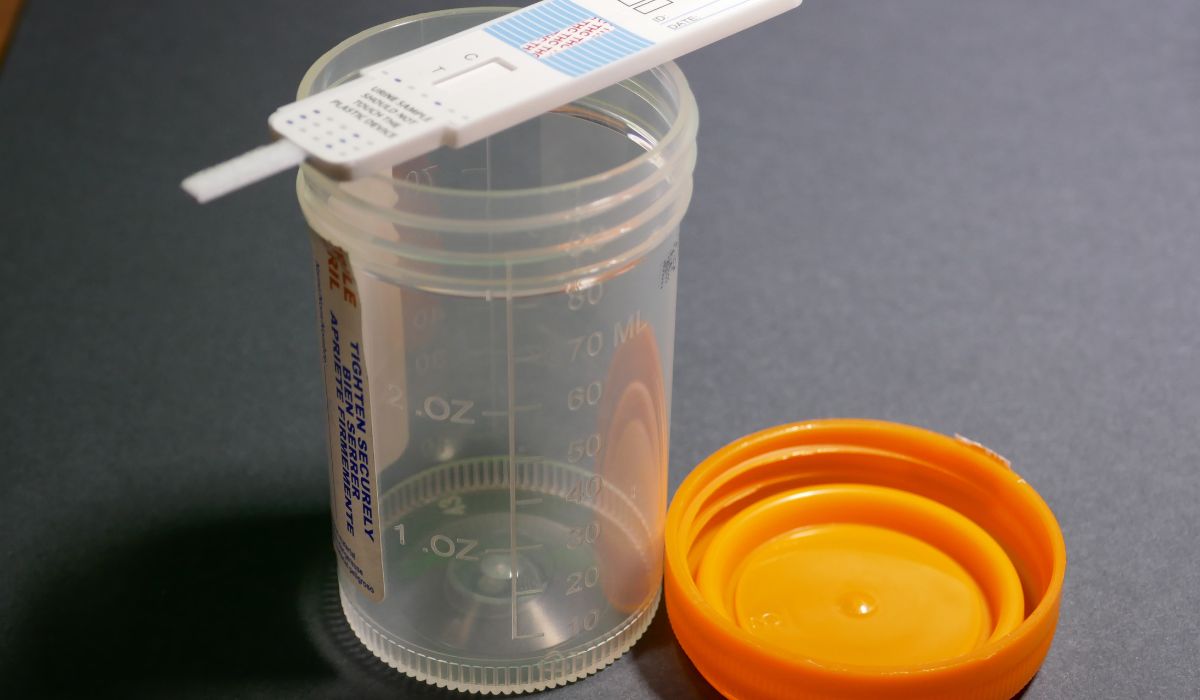
Meperidine Drug Test: What You Need to Know
When it comes to drug testing, many people wonder how certain medications or substances show up. One common question is about meperidine—a prescription opioid used to relieve pain. This guide breaks down everything you need to know about the meperidine drug test, how long the drug stays in your body, and how testing is done at Lynk Diagnostics, a trusted drug testing center for rehab facilities.
What Is Meperidine?
Meperidine, also known by its chemical name pethidine, is a medication used to treat moderate to severe pain. It works on the central nervous system by changing how the brain and nerves respond to pain signals.
Doctors often prescribe meperidine after surgery or during labor, but it’s used less often today because of its side effects and risk of addiction.
Why Meperidine Is Tested
Because meperidine is an opioid analgesic, it has a high risk for addiction and misuse. Drug testing helps:
- Monitor patients using meperidine for pain control.
- Support mental health and rehab programs that track substance use.
- Identify opioid abuse in people seeking treatment.
At Lynk Diagnostics, accurate and confidential drug tests help healthcare providers manage medication safely and responsibly.
How a Meperidine Drug Test Works
A meperidine drug test checks for the presence of the drug or its breakdown products (called metabolites) in your body. These tests can be done using different samples, including:
- Urine tests (most common)
- Blood tests
- Saliva tests
- Hair tests
Each type of test has a different detection window and purpose.
Meperidine Detection Time
How long meperidine stays in your body depends on several factors:
- Dose – Higher doses stay longer.
- Metabolism – Faster metabolism clears drugs quicker.
- Age and health – Liver and kidney function affect drug removal.
- Frequency of use – Chronic users may test positive for longer.
| Test Type | Detection Time |
|---|---|
| Urine | 1–2 days after last dose |
| Blood | Up to 24 hours |
| Saliva | Up to 2 days |
| Hair | Up to 90 days |
At Lynk Diagnostics, lab tests can detect meperidine accurately within these time frames using advanced screening and confirmation methods.
Meperidine and the Central Nervous System
Meperidine affects the central nervous system (CNS) by binding to opioid receptors in the brain and spinal cord. This reduces pain sensations but can also slow breathing, cause drowsiness, and affect mood.
Long-term or high-dose use can lead to:
- Dependence or addiction
- Mental health changes, like depression or anxiety
- Withdrawal symptoms when stopping suddenly
This is why many healthcare providers recommend careful monitoring through drug testing and medical supervision.
Signs of Meperidine Misuse
Recognizing misuse early can save lives. Signs include:
- Taking more than the prescribed dose
- Doctor shopping for new prescriptions
- Sudden mood swings or mental health changes
- Slurred speech or coordination problems
- Withdrawal when skipping doses
If you or someone you know shows these signs, Lynk Diagnostics can help identify opioid use through professional and nonjudgmental drug testing.
How Lynk Diagnostics Tests for Meperidine
At Lynk Diagnostics, advanced lab technology is used to detect even small traces of meperidine and other opioid drugs.
The process usually includes:
- Sample Collection – Usually a urine sample is collected in a secure environment.
- Initial Screening – Tests for a wide range of drugs, including opioids.
- Confirmation Testing – If positive, the sample is retested using more precise equipment, like gas chromatography-mass spectrometry (GC-MS).
- Reporting – Results are sent confidentially to the healthcare provider or treatment center.
This ensures accuracy and fairness in all testing results.
Why Drug Testing Is Important in Addiction Recovery
Drug testing plays a key role in addiction recovery programs. For those recovering from opioid misuse, consistent testing provides:
- Accountability – Ensures patients stay on track with treatment.
- Safety – Prevents medication mixing that can harm health.
- Progress tracking – Helps counselors and doctors make informed decisions.
At Lynk Diagnostics, every patient receives testing and support focused on recovery, trust, and care.
The Role of Mental Health in Opioid Use
There’s a strong link between mental health and opioid use. People dealing with anxiety, trauma, or depression might misuse medications like meperidine to cope.
However, this can lead to dependence and worsen mental health over time. That’s why comprehensive treatment includes both drug testing and therapy for emotional well-being.
Meperidine vs. Other Opioids
Like other opioid medications (such as morphine or codeine), meperidine relieves pain but also carries risks. Here’s how it compares:
| Opioid | Common Use | Risk of Addiction |
|---|---|---|
| Meperidine | Short-term pain | High |
| Morphine | Post-surgery pain | High |
| Codeine | Cough or mild pain | Moderate |
| Oxycodone | Moderate-severe pain | Very high |
Because of its short duration and risk, meperidine is less prescribed today. But if used, drug testing helps ensure it’s taken safely.
What to Expect During a Meperidine Drug Test
If you’re asked to take a meperidine drug test, here’s what typically happens:
- You’ll be informed about the purpose of the test.
- You’ll provide a sample (urine, saliva, or blood).
- The lab will analyze it for meperidine or its metabolites.
- Results are usually ready within a few days.
Testing at Lynk Diagnostics is done professionally and confidentially, respecting your privacy and dignity.
Can Meperidine Affect Your Health?
Yes. While it can relieve pain, meperidine can also cause serious side effects if not used properly:
- Dizziness or confusion
- Shallow breathing
- Low blood pressure
- Nausea and vomiting
- Seizures (in high doses)
These effects occur because the central nervous system slows down too much. Misuse can lead to overdose, which is life-threatening.
Treatment and Support
If a meperidine drug test comes back positive, it’s not the end—it’s a chance to get help. Rehab centers use Lynk Diagnostics for accurate testing that guides recovery.
Treatment may include:
- Medication-assisted therapy (MAT)
- Counseling or therapy for mental health
- Detox programs to safely manage withdrawal
- Support groups for long-term recovery
Each patient’s treatment plan is unique and focuses on both physical and emotional healing.
The Importance of Safe Medication Use
Always follow your doctor’s directions when taking meperidine or any opioid medication. Never share prescriptions or increase your dose without medical advice.
If you’re concerned about how long meperidine stays in your system or upcoming drug testing, talk to a healthcare provider or contact Lynk Diagnostics for professional guidance.
Key Takeaways
- Meperidine is a strong opioid analgesic used for pain relief.
- It can be detected through drug tests for 1–2 days (urine), or longer in hair samples.
- Lynk Diagnostics provides accurate and confidential testing for rehab centers.
- Misuse of meperidine can harm the central nervous system and overall health.
- Early testing and treatment support recovery and mental health.
FAQs About Meperidine Drug Test
How long does meperidine stay in your system?
Meperidine usually stays in the body for about 1–2 days. However, detection time can vary based on dose, metabolism, and how often it’s used.
What type of test is used to detect meperidine?
Most commonly, urine drug tests detect meperidine, but blood, saliva, or hair tests may also be used depending on the situation.
Can meperidine cause addiction?
Yes. Meperidine is an opioid, and long-term or improper use can lead to addiction and dependence.
Does meperidine affect mental health?
Yes. Misusing meperidine can cause mood swings, depression, and anxiety because it affects the central nervous system.
Where can I get a meperidine drug test?
You can visit Lynk Diagnostics, a professional drug testing center dedicated to rehab facilities. They offer accurate, confidential testing for meperidine and other opioids.
Sources