What Does "Cutoff Level" Mean?
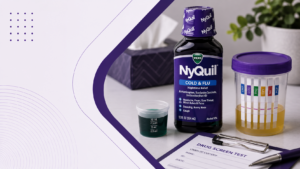
When you are in a substance abuse treatment program, you will likely take a drug test. This is a normal part of recovery. It helps the doctors and counselors know if you are staying on track. But when you get the results back, you might see some numbers that are confusing. You might hear people talk about “cutoff levels.”
So, what is a cutoff level? Think of it like a height requirement for a roller coaster. To ride the ride, you have to be at least this tall. If you are even a tiny bit shorter, you can’t ride. A cutoff level in a drug test works the same way. It is a specific number. If the amount of a drug in your body is below this number, the test counts as negative. If it is above this number, the test is positive.
This is very important for fairness. Sometimes, there might be a tiny, tiny amount of something in your system that isn’t from drug use. Maybe you were in a room where people were smoking, or you ate a poppy seed bagel. Cutoff levels help make sure you don’t get in trouble for things that aren’t your fault. They act like a filter to separate a real positive result from a negative one.
Why Are Cutoff Levels Used?
You might wonder, “Why not just test for ANY amount of a drug?” That is a good question. The main reason is accuracy. The laboratory needs to be sure that a positive result means a person actually used a controlled substance.
avoiding False Alarms
Imagine you are listening to the radio. Sometimes there is static or noise, but you can still hear the song. In a drug test, the laboratory looks for a specific signal that means a drug is present. However, our bodies are complex. Sometimes, other things can look a little bit like a drug to the machine.
By setting a cutoff level, the lab creates a rule. They say, “We will only count this as a positive test if the signal is loud and clear.” This protects you. It prevents “false positives.” A false positive is when the test says you used drugs when you really didn’t. This is crucial in rehab and mental health settings where trust is key.
Screening vs. Confirmation
There are usually two steps in testing. First is the screening. This is like a quick check. It uses a cutoff level to see if there might be drugs in your system. If the screening is negative, you are done. Good job!
If the screening is positive, the lab does a second test. This is called confirmation. The confirmation test is much more precise. It looks for the specific metabolite. A metabolite is what your body turns a drug into after you take it. The cutoff level for the confirmation test is often different. It is there to be 100% sure that the specific drug is really there.
Understanding Different Types of Tests
Not all drug tests are the same. Different tests look for drugs in different parts of your body. Each type has its own concentration limits and cutoff levels.
Urine Testing (Urinalysis)
Urine testing is the most common type. You might hear it called a urinalysis or urine test. It is used a lot because it is easy to do and can find many different drugs. In a urine, the concentration of a drug can show up for a few days or even weeks after use.
For example, a urine test looks for things like marijuana or cocaine. The cutoff for marijuana is set to avoid positives from second-hand smoke. If you are in a workplace program or employment drug tests, they often use standard federal levels. In rehab, the levels might be stricter to help you stay accountable.
Hair Follicle Testing
Hair follicle testing is different. It can see drug use from a long time ago. When you use a drug, it gets into your blood and then grows into your hair. A hair follicle test can show if someone used drugs months ago.
Because hair grows slowly, it holds onto the evidence of substance abuse longer. The cutoff levels for hair follicle testing are usually very low. This is because only a small amount of the drug gets trapped in the hair. This test is good for a background check or long-term monitoring.
Saliva Testing (Oral Fluid)
Saliva testing, also called oral fluid testing, is becoming popular. It is easy to collect. A swab is put in your mouth to soak up fluid. This test is great for seeing if someone used drugs very recently, like in the last few hours or days.
Saliva is often used for reasonable suspicion. This means if someone thinks a person is high right now, they might use this test. The cutoff levels for saliva testing are different from urine because the drug stays in your mouth differently than it stays in your bladder.
Breathalyzer for Alcohol
For alcohol, we often use a breathalyzer. This measures the alcohol in your breath. It is very common for alcohol testing. The results are usually immediate. In a rehab setting, any amount of alcohol might be a problem, but in other places, there is a legal limit, like 0.08.
Common Drugs and Their Levels
Different drugs have different rules. Here is a look at some common substances and what labs like Lynk Diagnostics look for.
Marijuana (Tetrahydrocannabinol)
Tetrahydrocannabinol, or THC, is the part of marijuana that gets you high. It stays in your body for a long time. It is stored in fat cells. Because of this, urine testing can find it weeks later. The cutoff level is important here. It makes sure the test is picking up actual use and not just tiny traces.
Opiates and Painkillers
Opiates include drugs like morphine and codeine. There are also stronger painkillers like hydrocodone, oxycodone, and hydromorphone. These are often used as medication.
However, they can be abused. The lab has to be careful. If you are allowed to take a medication for pain, you need to tell them. The cutoff level helps distinguish between a prescribed dose and abuse. Opiate levels must be checked carefully to ensure safety.
Amphetamines and Methamphetamine
Amphetamine and methamphetamine (meth) are stimulants. They speed up your body. These leave the system faster than marijuana. The cutoff levels are set to catch recent use. Labs look for the specific metabolite of these drugs to be sure.
Alcohol Metabolites
Besides a breathalyzer, labs can test urine for alcohol breakdown products. This can show if someone drank alcohol days ago, even if they are sober now. This is very useful in rehab to ensure someone is staying completely sober.
How to Read a Lab Report
When the results come back from Lynk Diagnostics, you will see a lab report. It might look like a lot of science words, but you can understand it.
First, look for the word Positive or Negative.
- Negative: This means the drug was not found, or the amount was below the cutoff level. This is a “pass.”
- Positive: This means the drug was found, and the amount was above the cutoff level. This is a “fail.”
Sometimes, you might see a number next to the drug name. This is the level or concentration found in the sample. If the number is lower than the cutoff, the final result is still negative. You don’t need to worry about the tiny numbers if the final result is negative.
Why Accuracy Matters in Rehab
In a rehab facility, accuracy is everything. Lynk Diagnostics understands this. If a test is wrong, it can hurt someone’s recovery.
Mental Health and Trust
Recovery is about building a new life. It involves mental health support. If a person is trying hard and staying sober, a false positive can be devastating. It breaks trust between the patient and the counselor. That is why cutoff levels are so important. They protect the innocent.
Medical Decisions
Doctors use these results to make decisions. They might change a medication based on the test. If the drug test says a person is taking opiates when they aren’t, the doctor might stop giving them safe medicine they need. Accurate levels ensure patients get the right care.
Workplace and Policy
Many people in rehab are also trying to get back to work. A workplace often has a strict policy on drugs. Employment drug tests can decide if someone gets a job or keeps one. Using the correct cutoff protects a person’s career. It makes sure that a background check is fair.
Lynk Diagnostics: Your Partner in Accurate Testing
When it comes to understanding these tests, the partner you choose matters. Lynk Diagnostics is a drug testing center dedicated to the rehab facility world. We know that behind every sample is a person trying to get better.
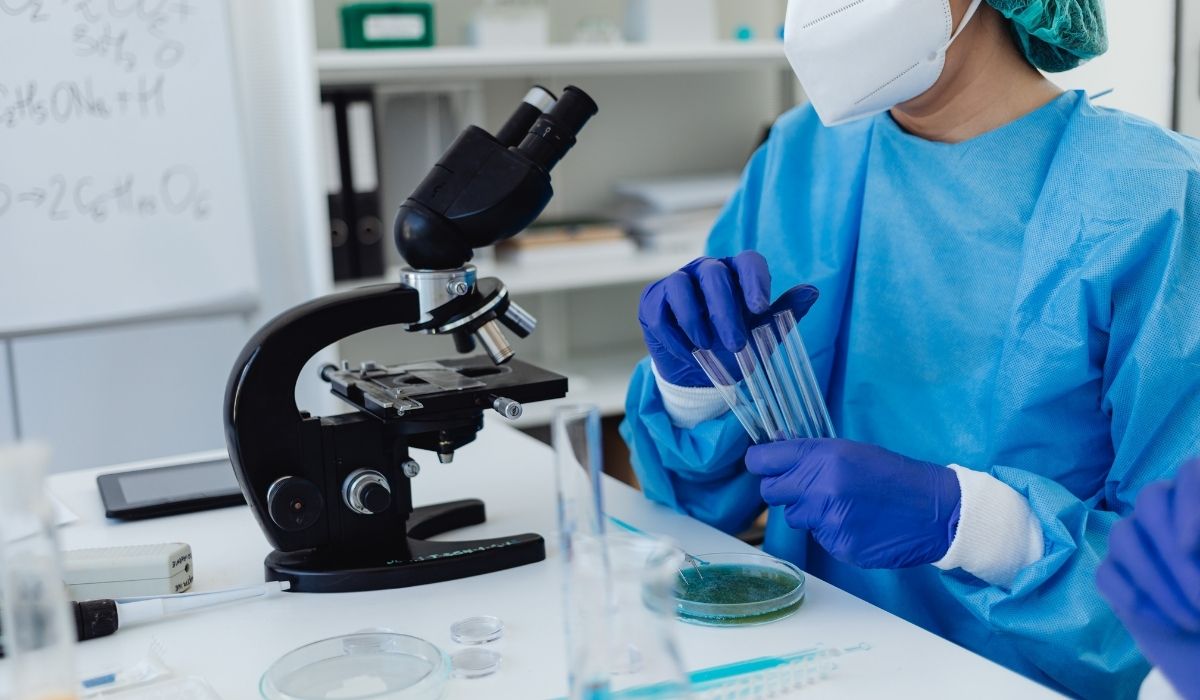
We use precise laboratory equipment. We follow strict rules for cutoff levels. Whether it is urine, hair, saliva, or blood, we make sure the results are right. We test for a wide range of substances, from drug and alcohol to specific controlled substances.
Our goal is to support recovery with truth. We provide clear lab reports so counselors and patients know exactly what is going on. We handle fluid samples with care and respect. When you use Lynk Diagnostics, you are using a service that values accuracy and mental health.
The Importance of Professional Testing
You cannot just buy a cheap test at the store and expect the same results. Store-bought tests are simple. They might not have the right cutoff levels. They might say someone is positive when they are not.
Professional labs like Lynk Diagnostics use advanced technology. We can tell the difference between poppy seeds and morphine. We can tell the difference between a sinus pill and amphetamine. This level of detail is needed for reasonable suspicion cases or court orders.
Also, we can detect attempts to cheat. Sometimes people try to add water to their urine or use someone else’s sample. Our tests measure things like temperature and other chemicals to make sure the sample is real. This keeps the rehab environment safe for everyone.
Staying Sober and Safe
Understanding cutoff levels takes the fear out of drug testing. It is not a magic trick. It is science. The cutoff is just a line in the sand. Stay below the line, and you are safe.
For someone in recovery, the goal is always zero use. But knowing how the test works helps you advocate for yourself. If you are taking a new medication, tell your counselor. If you are worried about second-hand smoke, ask about the cutoff levels.
Drug tests are tools. They are there to help you prove you are doing the right thing. They help you rebuild trust with your family and your job. With accurate testing from Lynk Diagnostics, you can be proud of your clean results.
FAQs
What happens if I have a trace amount of a drug below the cutoff level?
If the amount of the drug is below the cutoff level, the test result is reported as negative. You “pass” the test. The lab treats it as if there is no drug present at all. This protects you from false alarms caused by things like accidental exposure.
Can second-hand smoke make me fail a urine test for marijuana?
Usually, no. The cutoff levels for tetrahydrocannabinol (THC) are set high enough to ignore second-hand smoke. Unless you were in a small, closed car with lots of smoke for a long time, you will likely stay below the cutoff. Lynk Diagnostics uses standard levels to ensure fairness.
Why are hair follicle tests harder to pass than urine tests?
Hair follicle testing looks at a longer history. While urine testing only sees drug use from the last few days, hair can show drug use from months ago. The cutoff levels are lower because the hair traps very small amounts of the drug as it grows. It is a strict test for long-term patterns.
Do prescribed medications show up on a drug test?
Yes, some medication can show up. For example, pain pills with hydrocodone or oxycodone will show up as opiates. However, if you have a valid prescription, the Medical Review Officer will verify it. Once verified, the result is usually reported as negative for illicit use. Always tell your testing center about your meds.
How accurate are the tests at Lynk Diagnostics?
Lynk Diagnostics is very accurate. We use confirmation tests that are specific to the metabolite of the drug. This means we double-check any positive screening result with a more advanced machine. This process removes errors and ensures that the lab report reflects the truth about substance abuse or sobriety.