Testing Centers Help Rehab Facilities Meet Regulatory Requirements
Rehab facilities work hard every day to help people heal from substance use disorders. But rehab care is not only about therapy, groups, and support. Rehab centers also have to follow many rules. These rules are called regulatory requirements. They can come from state agencies, licensing boards, and payers like insurance.
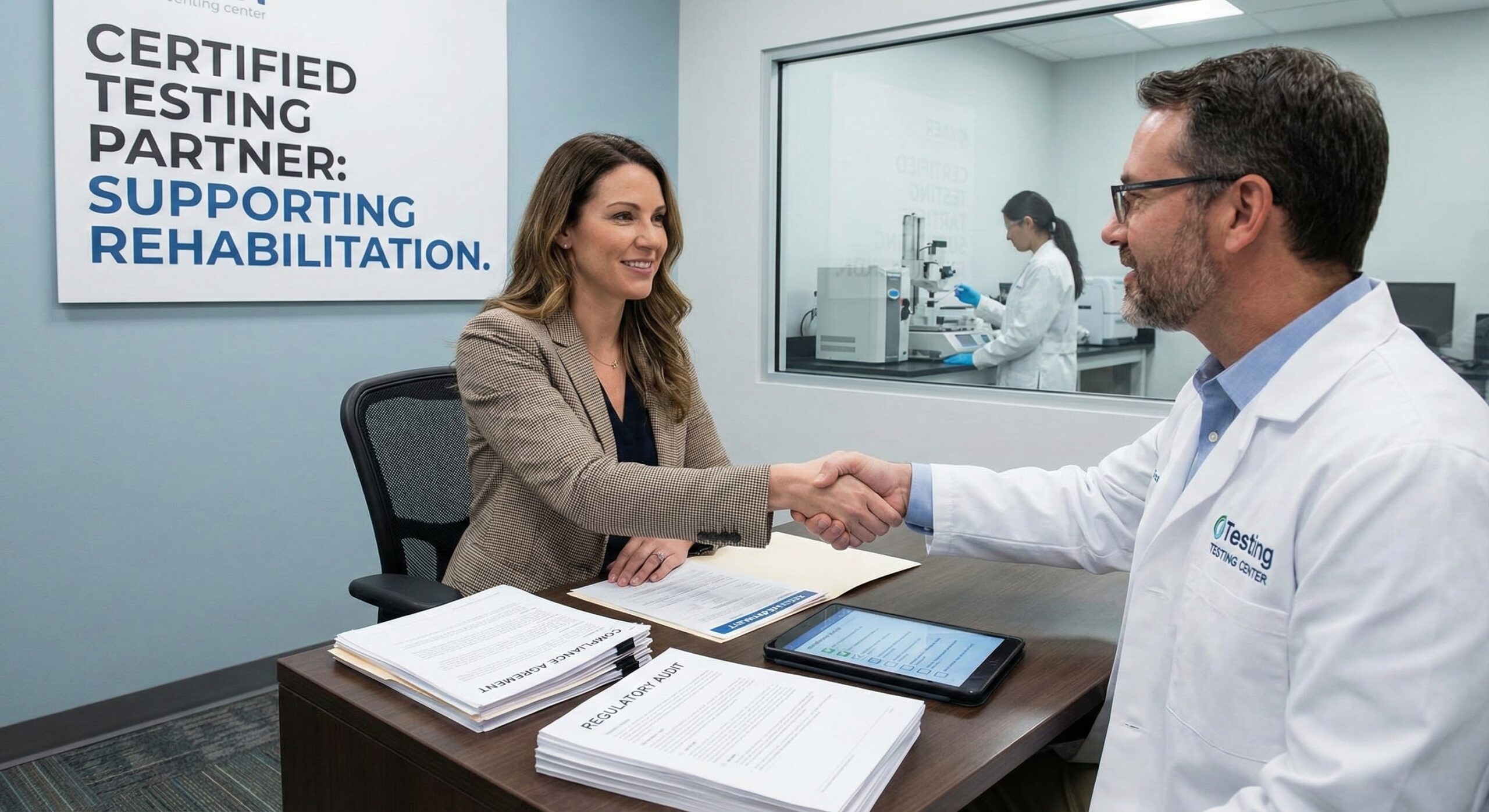
That is why testing centers help rehab facilities meet regulatory requirements. A trusted testing center supports the rehab team with accurate drug testing, clear documentation, and strong compliance steps. This helps protect patients, staff, and the facility.
At Lynk Diagnostics, we focus on drug testing services made for rehab facilities. We understand how important it is to stay organized, follow policy, and keep records clean and clear.
What Are Regulatory Requirements in Rehab?
Regulatory requirements are rules a rehab facility must follow to operate safely and legally. These rules can cover many areas, like:
- Patient safety and quality of care
- Confidentiality and privacy
- Clinical documentation
- Staff training and proper procedures
- Drug testing policies and recordkeeping
- Reporting and audits
Some requirements may be checked during a licensing inspection or an audit. Others may be reviewed by insurance companies during utilization review or billing checks.
Why Drug Testing Matters for Compliance
Drug testing is often part of a rehab center’s care plan. It can help the clinical team:
- Confirm abstinence or identify relapse early
- Support treatment planning
- Improve patient accountability
- Protect group safety in residential settings
- Track progress over time
Drug testing can also support regulatory compliance when it is done the right way. That means the process needs to be consistent, documented, and defensible.
Common Compliance Problems Without Strong Testing Support
When drug testing is not managed well, it can create risk. Examples include:
- Missing or incomplete test documentation
- Unclear chain of custody (who handled the sample)
- Inconsistent testing schedules
- Delayed results or poor communication
- Confusing reports that are hard to explain in an audit
- Errors in sample collection
A testing center helps reduce these issues by using standardized systems and trained processes.
How Testing Centers Support Rehab Facilities
A quality testing partner does more than run lab work. The right partner supports a full compliance workflow—from collection to reporting.
Accurate Testing Methods and Confirmations
A testing center helps ensure the rehab facility uses the right test types, such as:
- Urine drug testing (common for ongoing monitoring)
- Saliva testing (sometimes used for quick or observed collection)
- Breath alcohol testing (helpful for alcohol monitoring)
In many cases, screens may be followed by confirmatory testing when needed. Accurate testing and proper confirmation reduce disputes and help maintain trust in clinical decisions.
Clear Chain of Custody and Sample Handling
Chain of custody is a step-by-step record of how a sample is collected, labeled, stored, transported, and tested. It helps show that the sample was handled correctly.
A testing center like Lynk Diagnostics can help rehab staff follow consistent steps, such as:
- Proper patient identification
- Correct labeling and sealing
- Secure storage before transport
- Documented handoff processes
- Traceable tracking from start to finish
This is important for compliance, audits, and risk management.
Consistent Testing Policies That Match Facility Needs
Many rehab facilities need a testing schedule that fits their level of care, like:
- Detox
- Residential treatment
- Partial hospitalization (PHP)
- Intensive outpatient (IOP)
- Sober living coordination
A testing center can help the facility build a clear policy that answers:
- Who gets tested and when?
- What substances are included?
- What happens if a test is positive?
- How are results shared with the care team?
- How are refusals or missed tests documented?
When your testing policy is consistent, it becomes easier to show compliance during reviews.
Documentation That Holds Up During Audits
Good documentation is one of the biggest parts of regulatory compliance. A rehab facility may need to show:
- Why testing was ordered
- What type of test was used
- When the sample was collected
- Who collected it
- The result and interpretation
- How the result affected the treatment plan
A testing center supports this by providing clear reporting and reliable records.
Easy-to-Read Results and Transparent Reporting
Regulators and auditors often want clear proof that the facility followed its own procedures. Testing centers help by delivering reports that are:
- Organized and consistent
- Easy to read for clinical staff
- Timely for decision-making
- Stored securely
Transparent reporting also helps build trust with patients, families, and referral partners.
Secure Records and Privacy Support
Rehab facilities must protect patient privacy. Testing centers can help by using secure systems for:
- Result delivery
- Data storage
- Access control (only the right people can see results)
- Documentation support for compliance reviews
Keeping testing data accurate, secure, and well-managed improves the facility’s overall compliance posture.
How Testing Supports Patient Safety and Quality of Care
Compliance is not only about “passing inspections.” It is also about patient safety and quality care.
Supporting Clinical Decisions
When drug testing is consistent, clinicians can better understand what is happening. Results can help guide:
- Treatment planning
- Therapy focus (triggers, cravings, relapse patterns)
- Medication safety (especially with controlled meds)
- Level-of-care decisions
Protecting Group Settings
In residential programs, patients often share spaces and attend groups together. Consistent testing protocols help promote:
- Safer group environments
- Clear boundaries and accountability
- Reduced access to substances on site
This protects both patients and staff.
Risk Reduction for the Facility
A rehab facility can face serious problems if testing is not handled correctly. A strong testing partnership helps lower risk by improving:
- Operational consistency
- Communication between departments
- Documentation quality
- Defensible decisions in difficult cases
- Preparedness for audits and inspections
When the rehab team and testing center work together, the facility is less likely to be surprised by missing paperwork or unclear processes.
Better Communication Between Teams
A testing center can help keep communication smooth between:
- Intake coordinators
- Nurses and medical staff
- Therapists and counselors
- Case managers
- Compliance and leadership teams
When everyone understands the testing process and how to interpret results, compliance becomes easier.
Why Rehab Facilities Choose Lynk Diagnostics
Lynk Diagnostics is a drug testing center dedicated to rehab facilities. That focus matters because rehab environments have unique needs, like:
- Fast and clear reporting to support care decisions
- Consistent testing schedules across levels of care
- Documentation support for audits and compliance reviews
- Understanding real-world rehab workflows (intake, treatment planning, discharge)
When your testing process is built for rehab, it is easier to meet regulatory requirements without adding stress to your team.
Best Practices for Rehab Compliance With Drug Testing
Here are simple steps many facilities use to stay on track:
Build a Clear Written Testing Policy
Include who is tested, how often, what substances are included, and what happens after a positive or missed test.
Train Staff on Collection and Documentation
A great policy only works if staff know how to follow it. Training helps reduce collection errors and missing information.
Use Consistent Forms and Workflows
Standard steps make it easier to stay compliant. This also helps new staff learn faster.
Review Results in Clinical Meetings
When results connect to treatment planning, it supports both patient care and documentation.
Store Records Securely
Secure data handling supports privacy expectations and reduces compliance risk.
FAQs
How do testing centers help rehab facilities meet regulatory requirements?
Testing centers help by providing accurate drug testing, clear chain of custody, secure recordkeeping, and consistent reporting that supports audits and licensing reviews.
What documentation does a rehab facility need for drug testing compliance?
Most facilities need proof of the order, collection details, chain of custody, test results, and how the result impacted the treatment plan.
Why is chain of custody important in rehab drug testing?
Chain of custody shows the sample was handled correctly from collection to testing. This helps protect against disputes, errors, and audit problems.
What types of drug tests are common in rehab facilities?
Common options include urine drug testing, saliva testing, and breath alcohol testing. The right mix depends on the program’s level of care and policy.
How does drug testing improve patient safety in residential treatment?
Consistent testing helps identify substance use early, supports accountability, and protects group settings by reducing safety risks for patients and staff.
Final Thoughts
Rehab facilities carry a big responsibility: helping people recover while also following strict rules. The good news is that rehab centers do not have to handle compliance alone. Testing centers help rehab facilities meet regulatory requirements by supporting accurate drug testing, clean documentation, and strong processes that stand up during audits.
If your team wants a drug testing partner built for rehab settings, Lynk Diagnostics is here to support your compliance goals while helping you deliver safer, stronger patient care.