Using Staff Drug Testing Policies to Protect Rehab Culture and Credibility: Effective Protocols and Compliance Strategies
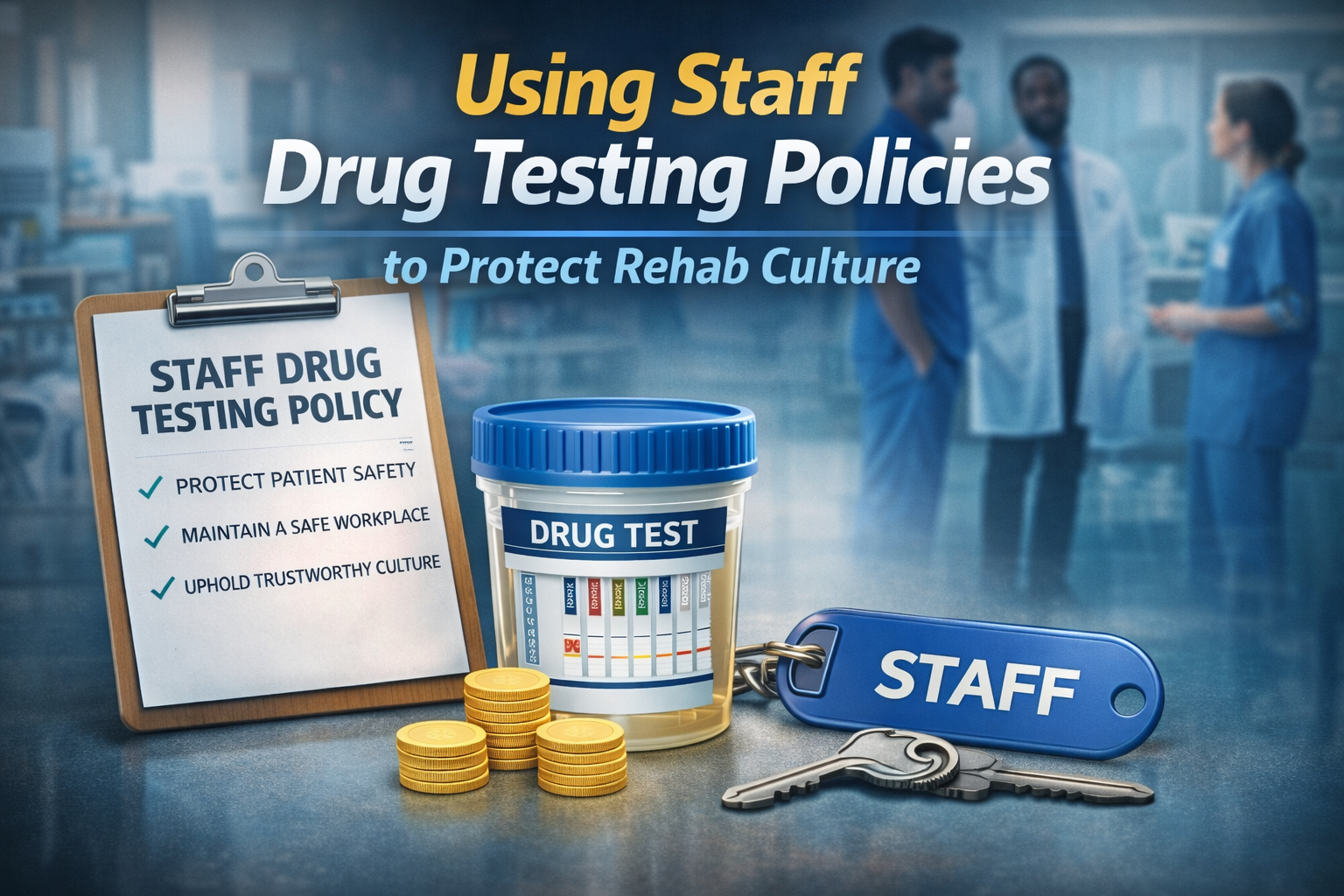
In the realm of addiction treatment, maintaining a robust rehab culture and credibility is paramount. Staff drug testing policies play a crucial role in ensuring that the integrity of the treatment environment is upheld. This article will explore the significance of these policies, how they can be effectively designed and implemented, and their impact on compliance and accreditation within rehab centers. Readers will gain insights into the mechanisms that support rehab culture integrity, the relationship between staff testing and relapse prevention, and the advanced toxicology testing methods that enhance credibility. By understanding these elements, rehab centers can foster a safe and supportive environment for recovery.
Why Are Staff Drug Testing Protocols Essential in Addiction Treatment Centers?
Staff drug testing protocols are vital in addiction treatment centers as they help maintain a drug-free environment, which is essential for patient recovery. These protocols ensure that staff members are not under the influence of substances that could impair their ability to provide care. By implementing rigorous testing, rehab centers can enhance the integrity of their treatment programs, thereby fostering trust among patients and their families. This trust is crucial, as it directly impacts patient engagement and the overall success of treatment outcomes.
How Does Staff Screening Support Rehab Culture Integrity?
Staff screening is integral to preserving the integrity of rehab culture. When staff members are tested regularly, it reinforces the commitment to a drug-free workplace, which is essential for creating a safe environment for patients. This commitment not only protects patients but also promotes a culture of accountability among staff. For instance, treatment centers that prioritize staff drug testing often report higher levels of staff morale and a stronger sense of community, as everyone is aligned with the mission of supporting recovery.
What Impact Does Staff Drug Testing Have on Relapse Prevention?
The relationship between staff drug testing and relapse prevention is significant. Research indicates that when staff members are held accountable through regular drug testing, it reduces the likelihood of substance use among employees. This, in turn, creates a more stable and supportive environment for patients, which is crucial for their recovery journey. Studies have shown that treatment centers with stringent staff drug testing policies experience improved patient outcomes, as the overall culture promotes sobriety and accountability.
How to Design and Implement Effective Staff Drug Testing Policies?
Designing effective staff drug testing policies requires careful consideration of various factors, including legal compliance, ethical standards, and the specific needs of the treatment center. A well-structured policy should outline the testing procedures, frequency, and consequences of positive results. Involving stakeholders in the policy development process ensures that the protocols are comprehensive and widely accepted.
What Are Best Practices for Staff Drug Screening Procedures?
Best practices for staff drug screening procedures include establishing clear guidelines for testing methods, ensuring confidentiality, and providing support for employees who may test positive. Regular training for staff on the importance of drug testing and its role in maintaining a safe environment is also essential. Additionally, centers should consider using a variety of testing methods, such as urine, saliva, or hair testing, to ensure comprehensive coverage.
Which Toxicology Testing Technologies Enhance Staff Compliance?
Advancements in toxicology testing technologies have significantly improved compliance among staff members. Rapid testing methods, such as point-of-care tests, allow for immediate results, which can deter substance use among employees. Moreover, utilizing technology that integrates with electronic health records can streamline the testing process and ensure that all data is securely managed. These innovations not only enhance compliance but also support the overall integrity of the rehab center.
How Do Staff Drug Testing Policies Influence Rehab Center Compliance and Accreditation?
Staff drug testing policies are closely linked to compliance and accreditation standards in rehab centers. Regulatory bodies often require evidence of a drug-free workplace as part of their accreditation processes. By adhering to these standards, treatment centers can secure funding and support, which are critical for their operations.
What Are Key Rehab Compliance Standards Related to Staff Screening?
Key compliance standards related to staff screening include maintaining a drug-free workplace, ensuring confidentiality of test results, and providing support for employees who may need assistance. These standards are essential for meeting regulatory requirements and ensuring that the treatment center operates within legal frameworks. Failure to comply with these standards can result in severe consequences, including loss of accreditation and funding.
How Does Consistent Staff Testing Improve Accreditation Outcomes?
Consistent staff testing plays a crucial role in improving accreditation outcomes. Treatment centers that demonstrate a commitment to maintaining a drug-free environment are more likely to receive favorable evaluations from accrediting bodies. This commitment not only enhances the center’s reputation but also increases the likelihood of securing necessary funding and support for ongoing operations.
What Is the Role of Advanced Toxicology Testing in Maintaining Rehab Credibility?
Advanced toxicology testing is essential for maintaining the credibility of rehab centers. By utilizing state-of-the-art testing methods, treatment centers can ensure accurate and reliable results, which are critical for fostering trust among patients and their families. This credibility is vital for attracting new patients and retaining existing ones.
Which Medical Tests Are Most Accurate for Staff Drug Screening?
The accuracy of medical tests for staff drug screening varies, with some methods providing more reliable results than others. Urine tests are commonly used due to their cost-effectiveness and ease of administration, while hair tests offer a longer detection window for substance use. Saliva tests are also gaining popularity for their non-invasive nature and rapid results. Each method has its advantages, and treatment centers should choose the one that best fits their needs.
How Do Rapid Turnaround Times Support Treatment Efficacy?
Rapid turnaround times for drug testing results are crucial for supporting treatment efficacy. When results are available quickly, treatment centers can take immediate action if a staff member tests positive, ensuring that the integrity of the treatment environment is maintained. This prompt response not only protects patients but also reinforces the importance of accountability among staff members.
What Case Studies Demonstrate the Impact of Staff Drug Testing on Rehab Culture?
Case studies provide valuable insights into the impact of staff drug testing on rehab culture. Many treatment centers have reported significant improvements in staff morale and patient outcomes after implementing rigorous drug testing policies. These real-world examples highlight the effectiveness of such policies in fostering a supportive and drug-free environment.
How Have Treatment Centers Reduced Relapse Rates Through Staff Testing?
Treatment centers that have adopted comprehensive staff drug testing protocols often report reduced relapse rates among patients. For example, a study conducted at a prominent rehab center showed a notable decrease in relapse rates after the implementation of regular staff testing. This reduction can be attributed to the enhanced accountability and support provided by a drug-free workplace.
What Lessons Can Be Learned from Lynk Diagnostics’ Client Experiences?
Lynk Diagnostics has worked with numerous rehab centers to implement effective staff drug testing policies. Feedback from clients indicates that these policies not only improve compliance but also enhance the overall treatment environment. By sharing these experiences, Lynk Diagnostics emphasizes the importance of tailored drug testing solutions that meet the unique needs of each treatment center.
How Can Rehab Centers Monitor and Update Staff Drug Testing Policies Effectively?
Monitoring and updating staff drug testing policies is essential for ensuring their continued effectiveness. Regular reviews of testing protocols and compliance standards can help rehab centers adapt to changing regulations and best practices.
What Tools and KPIs Track Policy Effectiveness and Compliance?
To track the effectiveness of staff drug testing policies, rehab centers should utilize various tools and key performance indicators (KPIs). These may include monitoring the number of positive tests, employee feedback on the testing process, and compliance with regulatory standards. By analyzing these metrics, treatment centers can identify areas for improvement and make necessary adjustments to their policies.
How Should Rehab Centers Adapt to Evolving Industry Standards?
Rehab centers must remain vigilant in adapting to evolving industry standards related to drug testing. This may involve staying informed about new testing technologies, regulatory changes, and best practices in the field. By proactively updating their policies, treatment centers can ensure that they continue to provide a safe and supportive environment for patients.
| Testing Method | Accuracy | Detection Window | Cost |
|---|---|---|---|
| Urine Testing | High | 1-4 days | Low |
| Hair Testing | Very High | Up to 90 days | High |
| Saliva Testing | Moderate | 1-2 days | Moderate |
This table illustrates the various testing methods available for staff drug screening, highlighting their accuracy, detection windows, and associated costs. Understanding these factors can help rehab centers choose the most appropriate testing method for their needs.
Rehab centers that implement effective staff drug testing policies not only enhance their credibility but also contribute to a culture of accountability and support. By prioritizing the integrity of their treatment environments, these centers can foster better outcomes for patients and ensure compliance with industry standards.
Frequently Asked Questions
1) How does testing policy affect rehab culture?
Clear, fair policies reduce rumors, favoritism concerns, and conflict, and help keep expectations consistent.
2) What makes a testing policy feel fair to patients?
Transparent rules, consistent application, clear explanations, and a process for questions or disputes.
3) How do we avoid shame-based approaches?
Use supportive language, emphasize safety and recovery, and keep consequences consistent and proportionate.
4) How do we handle refused or missed tests?
Define what counts as refusal, what documentation is required, and what clinical response happens next.
5) How do we keep policies aligned across staff?
Train scripts, use the same documentation steps, and review consistency through audits and case reviews.
Resources
- SAMHSA Evidence-Based Practices Resource Center: https://www.samhsa.gov/resource-search/ebp
- NIDA Principles of Drug Addiction Treatment: https://nida.nih.gov/publications/principles-drug-addiction-treatment-research-based-guide-third-edition
- 42 CFR Part 2 (eCFR): https://www.ecfr.gov/current/title-42/chapter-I/subchapter-A/part-2
- HHS HIPAA Privacy Rule: https://www.hhs.gov/hipaa/for-professionals/privacy/laws-regulations/index.html