
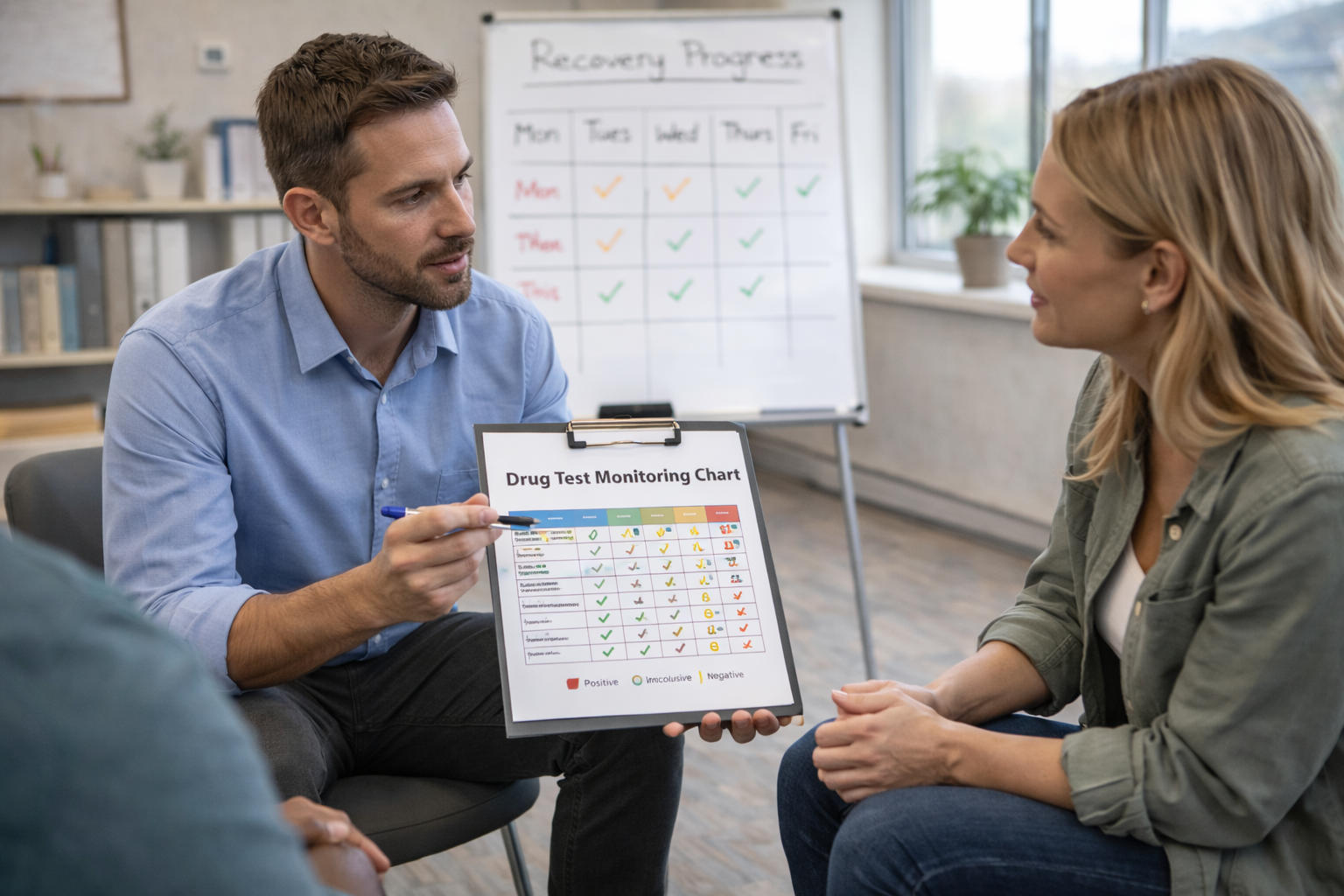
Recovery from substance use is a journey. People in rehab work hard to stay sober and build a healthier life. One important tool that helps this process is drug testing.
Drug testing is not meant to punish people. Instead, it helps create accountability, trust, and structure in addiction treatment programs.
Organizations like Lynk Diagnostics, a drug testing center dedicated to rehab facilities, provide accurate laboratory testing that supports clinicians, therapists, and medical directors in delivering effective care.
Understanding Drug Testing in Addiction Treatment
Drug testing is a process used to detect substances in the body. It helps clinicians understand whether a patient has recently used drugs or alcohol during treatment.
In rehab centers, drug testing is commonly used to support substance abuse treatment and recovery programs.
Common Types of Drug Tests Used in Rehab
Several testing methods help treatment teams monitor recovery progress.
Urine testing
Urine tests are one of the most common forms of drug testing. They are widely used because they can detect many substances and are easy to collect.
Saliva testing
Saliva tests check for recent drug use and are quick to perform. They are often used when clinicians need fast results.
Blood testing
Blood tests are less common but provide very precise data about substances in the body.
Toxicology laboratory testing
A certified laboratory may conduct advanced toxicology analysis to confirm results and ensure accuracy.
Drug testing through trusted providers like Lynk Diagnostics ensures results follow strict laboratory and chain-of-custody standards.
Why Monitoring Recovery Matters During Treatment
Addiction recovery involves both physical and behavioral changes. Monitoring progress helps clinicians understand how treatment is working.
Without monitoring tools, it can be difficult to see if a patient is truly staying sober.
Drug testing gives treatment teams helpful data that supports better decisions.
Recovery Is a Process
Substance use disorder affects both the brain and behavior. Recovery takes time and ongoing support.
Patients may face:
- Cravings
- Stress
- Mental health challenges
- Environmental triggers
Because of these challenges, monitoring recovery helps clinicians respond quickly when problems appear.
Drug testing provides a clear and objective view of what is happening during treatment.
How Drug Testing Supports Accountability in Recovery
Accountability plays a major role in successful treatment.
When patients know they will be tested, it encourages them to stay focused on their recovery goals.
Drug testing helps create a structured treatment environment.
Building Responsibility in Patients
Monitoring helps patients take responsibility for their choices.
Instead of relying only on self-reporting, clinicians can use testing data to guide conversations about progress and challenges.
This encourages honesty and strengthens the therapeutic relationship between patients and clinicians.
Supporting a Recovery Routine
Recovery programs often include:
- Therapy sessions
- Group counseling
- Medication management
- Drug testing
These structured routines help patients build healthy habits that support long-term sobriety.
Drug Testing Helps Detect Early Signs of Relapse
Relapse is a common challenge during addiction recovery. Early detection is very important.
Drug testing allows clinicians to identify relapse early so they can adjust treatment quickly.
Why Early Detection Matters
If relapse goes unnoticed, a patient may continue using substances and place their recovery at risk.
Drug testing helps treatment teams intervene before the problem grows worse.
Early intervention may include:
- Increasing therapy sessions
- Adjusting medication plans
- Providing additional support services
These steps help protect the patient and guide them back toward recovery.
Monitoring Improves Treatment Planning
Every patient in addiction treatment has unique needs. Drug testing helps clinicians personalize treatment plans.
When clinicians understand a patient’s substance use patterns, they can make better care decisions.
Using Data to Guide Clinical Decisions
Drug testing results provide valuable clinical data.
This information helps clinicians:
- Evaluate treatment effectiveness
- Monitor medication adherence
- Identify behavioral patterns
- Adjust therapy strategies
With reliable laboratory results from Lynk Diagnostics, treatment teams can confidently use this information to guide patient care.
Drug Testing Helps Ensure Patient Safety
Safety is a top priority in rehab centers and treatment programs.
Monitoring substance use helps clinicians protect both patients and staff.
Preventing Dangerous Drug Interactions
Some patients receive medication as part of treatment. If a patient uses other substances, dangerous interactions may occur.
Drug testing helps clinicians detect these situations early.
This allows medical providers to adjust medications and prevent serious health risks.
Maintaining a Safe Treatment Environment
Rehab centers work to create a safe and supportive recovery environment.
Drug testing helps ensure that patients remain committed to sobriety while in treatment.
This protects the entire recovery community.
Supporting Behavioral Changes During Recovery
Recovery is about more than stopping drug use. It also involves learning healthier behaviors.
Drug testing helps clinicians observe patterns that may signal behavioral changes.
Recognizing Positive Progress
Negative drug test results often show that a patient is staying sober.
This can reinforce positive behaviors and motivate patients to keep moving forward.
Clinicians can celebrate progress and encourage continued recovery.
Identifying Warning Signs
If drug testing shows unexpected results, it may indicate that a patient is struggling.
Clinicians can then explore possible causes such as:
- Stress
- Mental health concerns
- Environmental triggers
- Relationship challenges
Addressing these issues helps strengthen recovery.
Building Trust Between Patients and Clinicians
Some people believe drug testing creates distrust. In reality, when used properly, it often improves trust.
Drug testing allows clinicians to have honest conversations with patients.
Encouraging Open Communication
Objective data helps remove guesswork.
Instead of relying on assumptions, clinicians and patients can discuss real information about recovery progress.
This encourages transparency and honesty in treatment.
Creating a Supportive Clinical Relationship
When clinicians use drug testing as a supportive tool rather than punishment, patients feel safer discussing challenges.
This strengthens the therapeutic alliance, which is a key factor in successful addiction treatment.
The Role of Accurate Laboratory Testing
Drug testing must be accurate and reliable to support treatment success.
Rehab centers often work with specialized drug testing laboratories to ensure quality results.
Importance of Laboratory Standards
High-quality laboratory testing includes:
- Proper chain of custody
- Confirmatory toxicology testing
- Accurate data reporting
- Regulatory compliance
These standards protect both patients and treatment providers.
How Lynk Diagnostics Supports Recovery Programs
Lynk Diagnostics partners with rehab centers to provide reliable drug testing services designed for addiction treatment programs.
Their laboratory testing supports:
- Clinicians
- Medical directors
- Therapists
- Treatment programs
Accurate testing helps treatment teams make informed decisions that support patient recovery.
Drug Testing Helps Measure Treatment Success
Treatment programs must evaluate how well their services help patients recover.
Drug testing provides measurable data that shows whether treatment is working.
Tracking Progress Over Time
Repeated testing allows clinicians to track progress during recovery.
Over time, negative results show improvement and stability in sobriety.
This data helps treatment programs understand their effectiveness.
Supporting Program Improvement
Drug testing data can also help treatment organizations improve their programs.
Clinicians may analyze trends such as:
- Relapse rates
- Treatment adherence
- Patient engagement
These insights help programs deliver better care to future patients.
Why Monitoring Recovery With Drug Testing Improves Long-Term Outcomes
Long-term recovery requires ongoing support and monitoring.
Drug testing provides valuable insight into a patient’s progress throughout treatment.
When clinicians combine drug testing with therapy, counseling, and medical care, patients receive a stronger support system.
Monitoring recovery helps ensure:
- Patient safety
- Honest communication
- Early relapse detection
- Personalized treatment planning
- Stronger recovery outcomes
With reliable testing services from Lynk Diagnostics, rehab facilities can better support patients as they work toward lasting sobriety.
FAQs
Why is drug testing important in addiction recovery?
Drug testing helps clinicians monitor recovery progress and detect substance use. It provides objective data that supports treatment planning and patient safety.
Does drug testing help prevent relapse?
Yes. Drug testing helps identify relapse early so clinicians can adjust treatment and provide additional support to the patient.
How often do rehab centers perform drug testing?
Testing frequency depends on the treatment program. Some programs test weekly, while others test randomly to monitor sobriety.
Is drug testing meant to punish patients?
No. Drug testing is used as a supportive clinical tool. It helps treatment teams understand patient progress and provide better care.
How does Lynk Diagnostics help rehab facilities?
Lynk Diagnostics provides reliable laboratory drug testing services for rehab facilities. Accurate testing helps clinicians monitor recovery and improve treatment outcomes.
Resources
The following trusted resources provide helpful information about addiction recovery, drug testing, and substance use treatment. These sources can help clinicians, rehab programs, and patients better understand how monitoring supports successful recovery.
- Substance Abuse and Mental Health Services Administration (SAMHSA)https://www.samhsa.govSAMHSA offers research, treatment guidelines, and educational materials related to substance use disorders, recovery programs, and behavioral health services.
- National Institute on Drug Abuse (NIDA)https://nida.nih.govNIDA provides scientific research and evidence-based information about addiction, drug testing, treatment strategies, and long-term recovery.
- Centers for Disease Control and Prevention (CDC) – Overdose Preventionhttps://www.cdc.gov/overdoseThe CDC provides data, prevention strategies, and educational resources about substance use, overdose prevention, and public health responses.
- American Society of Addiction Medicine (ASAM)https://www.asam.orgASAM offers clinical guidelines, treatment standards, and education for addiction medicine professionals and treatment providers.