How Drug Testing Supports Specialized Tracks in Rehab
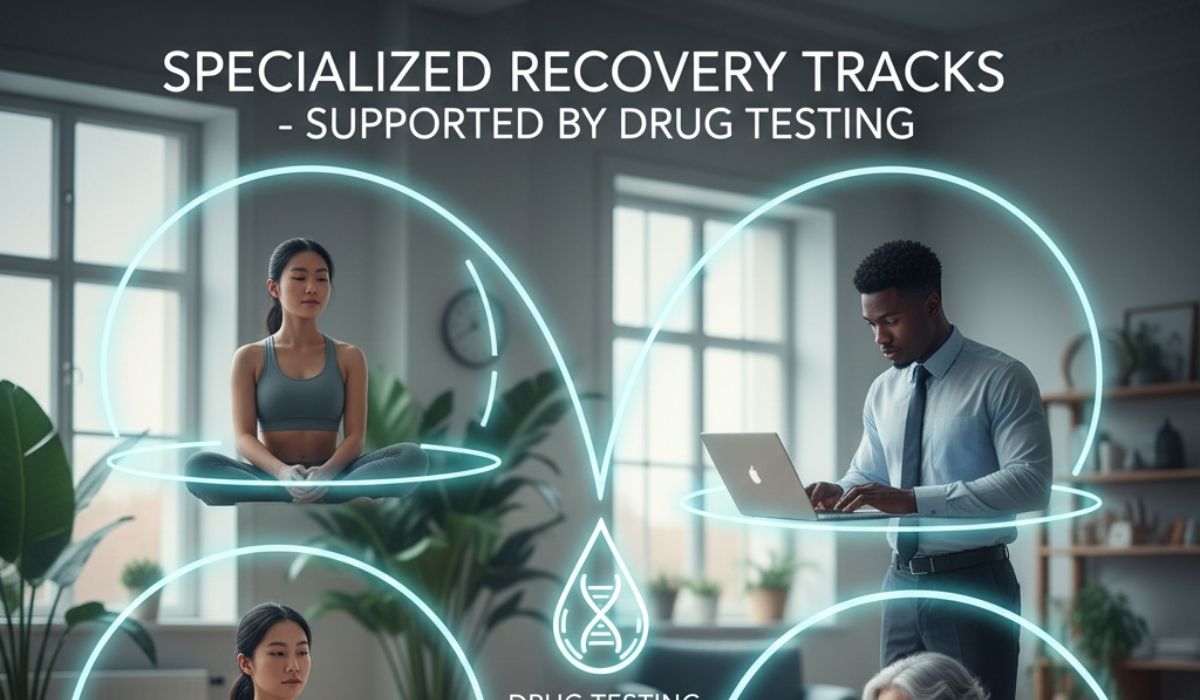
Specialized tracks are focused recovery paths. They are built for people with different needs. For example, a track for college students may focus on campus life and stress. A track for an athlete may focus on training, injuries, and sport rules. A track for people on certain medication may focus on safety and steady care.
In many rehab settings, drug testing is one tool that supports these tracks. At Lynk Diagnostics, we help rehab facilities use testing in a clear, respectful way that supports recovery goals—not shame.
A drug test is not the whole treatment plan. But it can add helpful facts. It can also support safety, planning, and honest conversations.
What “Specialized Tracks” Can Mean
A “track” is like a lane on a track and field field. Each lane gets you to the same finish line: better health and stable recovery. But each lane has different needs.
Here are common specialized tracks:
Athlete track (sports-focused recovery)
This track may include:
- Injury care and safe medicine choices
- Safer pain plans that lower risk for substance abuse
- Education about banned substances in some sport settings
- Extra drug education about supplement risks
College and student track
This track may include:
- Stress, sleep, and study habits
- Party culture and alcohol pressure
- Support for schedules, roommates, and social life
- Skills for coping and healthy behavior
Mental health + substance use track
This track may include:
- Care for mental health symptoms alongside substance use
- Therapy plus medication support when needed
- Extra check-ins to prevent relapse and support safety
Medication monitoring track
This track may include:
- People taking prescribed stimulant medication (like some ADHD meds)
- People using pain meds for injuries or illness
- People in medication-supported recovery plans
- Clear documentation, follow-up, and education
Why Drug Testing Helps Specialized Tracks
Drug testing can support specialized tracks in a few simple ways:
It adds clarity when life feels confusing
Early recovery can feel foggy. People may not be sure what they took. Sometimes substances are hidden in pills or mixed into other products. A test can help confirm what is present so the care team is not guessing.
It supports safety planning
If a test shows a risky substance, the care team can respond sooner. That might mean more support, a change in the treatment program, or medical monitoring. The goal is safety and better outcomes.
It helps match support to the person
Two people can both struggle with “substance abuse,” but their needs can be very different. Testing can help a team choose the right track tools, education topics, and support plan.
It supports calm, honest conversations
When done the right way, testing supports teamwork. It becomes a chance to say: “Here’s what we see. What happened? How do we help next?” That kind of conversation builds learning and reduces shame.
How Urine Testing Works in Rehab Settings
The most common sample type is urine. Urine testing is used often because it is practical and can show patterns of recent use.
Screening vs. confirmation
Many programs use two steps:
- A screening test for quick results
- A confirmation test through a laboratory when needed
Confirmation is helpful when results are surprising, when decisions are high-impact, or when someone reports a valid medication that may affect results.
Why medication and supplements matter
Some results can be affected by legal medication. Also, some supplements can contain unexpected ingredients. That is why clients should share what they take, including over-the-counter products and supplements.
At Lynk Diagnostics, we support clean processes, clear reporting, and strong communication with treatment teams.
Athlete Track: Testing, Supplements, and Sport Rules
Athletes have special risks in recovery:
- Pressure to perform
- Injury pain and “quick fix” thinking
- High exposure to supplements
- Worry about banned substances and consequences
Some athletes may be connected to the national collegiate athletic association and ncaa drug testing expectations, especially if they are in college sports.
How testing supports athletes in treatment
In an athlete-focused track, testing can help:
- Catch return-to-use early, before it becomes a bigger relapse
- Support safer pain plans and recovery routines
- Encourage smart choices around supplements
- Reduce “secret use” that grows under pressure
Dietary supplement risks are real
A dietary supplement might look harmless. But some supplements can be mislabeled, contaminated, or changed without clear warnings. That can create health risks and testing surprises. Athlete education should teach “supplement caution” and safe alternatives.
Sport examples: track and field and baseball
In track and field, some athletes chase energy, weight loss, or faster recovery. In baseball, some chase muscle gain, endurance, or quicker injury healing. These pressures can lead to risky choices, like stimulant-heavy products or hormone-like substances.
A specialized athlete track can include:
- Better education about supplements and common traps
- Support for identity (being an athlete without substances)
- A plan for performance stress and emotions
- A testing plan that supports accountability and safety
College Student Track: Testing Supports Structure and Accountability
College life can be intense:
- Stress, anxiety, and sleep problems
- Social pressure and party culture
- Easy access to drugs and alcohol
- Big schedule swings (weekdays vs. weekends)
For students, a testing plan can support recovery structure:
- Regular check-ins
- Clear expectations
- Early support when things slip
- Stronger boundaries that reduce risk
Random drug testing vs. scheduled testing
Some programs use random drug testing. That means the client does not pick the day. The goal is not to “catch” someone. The goal is to reduce temptation and support honesty.
Random testing can help students who struggle with weekend triggers, peer pressure, or sudden urges. It can also help the treatment team see patterns and respond earlier.
Reasonable suspicion testing
Some programs also use reasonable suspicion testing. That happens when staff see signs that suggest recent use, like big behavior changes, safety concerns, or signs of intoxication.
A good policy should explain:
- What signs count
- Who makes the call
- How it is documented
- How dignity is protected
- What support steps happen after a result
Mental Health Track: Testing Supports Safer, More Accurate Care
Many people in rehab also have mental health needs. They may deal with anxiety, depression, trauma, or mood swings. Sometimes substance use can make mental health symptoms worse. Sometimes mental health symptoms can lead to cravings and relapse.
Testing can support a mental health track by:
- Helping the team tell the difference between substance effects and mental health symptoms
- Supporting safer medication decisions
- Reducing guessing during crises
- Guiding the level of care when safety is a concern
Behavior clues plus testing data
Testing should never replace clinical care. It should be used along with:
- Therapy notes
- Client self-report
- Observed behavior
- Safety screenings
- Family and support system input (when appropriate)
When the whole picture is used, the team can make better decisions and avoid unfair assumptions.
Medication and Stimulant Track: Keeping Treatment Safe
Some clients take prescribed medications that can show up in drug tests. Others may have a history of misusing prescriptions. A specialized track helps clients stay safe and steady.
Examples include:
- Prescribed stimulant medications
- Pain medications after injury
- Anxiety or sleep medications
- Medication-supported recovery plans
Testing can help by:
- Supporting safe use of medication
- Helping the team spot risky mixing with alcohol
- Reducing misuse, overuse, or sharing medications
Consent and trust are key
Testing works best when the program is clear about consent. Clients should understand:
- What is being tested
- Why it matters
- How results will be used
- Who can see results
- What support happens next
When people know the rules, they feel safer. That helps honesty grow.
What a Strong Testing Program Looks Like
A strong testing program is not “test and punish.” It is a care system with training, clear steps, and support.
Clear policy that is easy to understand
A written policy should explain:
- When testing happens
- What substances are included
- How random selection works (if used)
- What reasonable suspicion means
- How results are reviewed
- How clients can ask questions
This matters for fairness and trust.
Education is part of the plan
Specialized tracks should include education and drug education that fit the client’s life. Examples:
- Athletes: supplement safety, pressure, injury coping
- Students: party pressure, stress, sleep routines
- Mental health: coping skills, emotion tools, relapse warning signs
- Medication track: safe use, mixing risks, refill planning
Using data for care, not shame
Drug testing creates data. But the goal is to use that data to help. For example:
- More support during high-risk weeks
- Changes in therapy focus
- Stronger relapse-prevention planning
- More family involvement when helpful
- A step up in care when safety requires it
This is how testing becomes a treatment tool, not a punishment tool.
How Lynk Diagnostics Supports Rehab Specialized Tracks
Lynk Diagnostics is a drug testing center dedicated to rehab facility needs. We support specialized tracks by focusing on:
Accurate processes and reliable reporting
We help programs use results for care planning and clear communication.
Team communication
Tracks work best when counselors, medical providers, and case managers are aligned. We support clean, consistent reporting so teams can respond quickly.
Respectful collection steps
Collection should protect dignity while keeping the process secure and reliable.
A care-first mindset
Testing should support recovery. It should never replace therapy, support groups, education, and skill-building. It is one helpful tool among many.
FAQs
How often should a drug test be done in a specialized track?
It depends on the person’s risk level and track goals. Some tracks test more often early in treatment, then less often as stability grows.
What is the difference between random drug testing and reasonable suspicion testing?
Random drug testing happens without a set date. Reasonable suspicion testing happens when staff see signs that suggest recent use. Both should be explained clearly in the policy.
Can medications cause a positive drug test?
Yes. Some prescription medication can affect results. That is why medication lists, honest reporting, and proper review are important.
How does drug testing help college students in recovery?
It adds structure and accountability. It can also help the care team spot patterns (like weekend triggers) and respond early with support.
Why do athletes need extra education about dietary supplements?
Because supplements can be mislabeled or contaminated. Some can include stimulant-like ingredients or hormone-like compounds. Education helps athletes avoid risky products and protect their health.
Resources