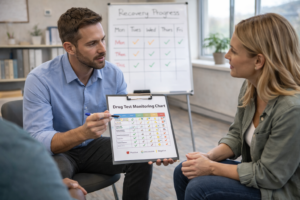

Recovery from substance use disorder takes time, support, and careful monitoring. Many people in treatment work hard every day to stay on track. But recovery is not always a straight line. Sometimes setbacks happen.
Drug testing helps treatment teams notice small problems before they turn into bigger ones. It gives clinicians, therapists, and rehab centers important information about a patient’s progress.
When used correctly, drug testing is not about punishment. It is about safety, support, and early intervention. At Lynk Diagnostics, drug testing services help rehab facilities monitor recovery and support better patient outcomes.
Understanding Setbacks in Addiction Recovery
Recovery is a long process. During treatment, people may face stress, emotional struggles, or triggers that make sobriety harder.
A setback means a patient may be moving toward relapse or struggling with recovery goals.
Setbacks can include:
- Missing therapy sessions
- Sudden changes in mood or behavior
- Reduced treatment engagement
- Exposure to risky environments
- Possible substance use
Drug testing helps clinicians confirm what is happening so they can respond quickly.
Early detection allows treatment teams to provide support before a full relapse occurs.
Why Early Detection Matters in Recovery
Early detection can protect a patient’s recovery journey. When a problem is identified quickly, clinicians can adjust treatment plans and provide additional care.
Benefits of early detection include:
- Preventing full relapse
- Supporting patient accountability
- Improving treatment outcomes
- Strengthening safety in rehab programs
- Building trust between clinicians and patients
Drug testing gives real medical data that helps treatment teams make informed decisions.
Facilities that monitor progress closely often see better recovery results.
How Drug Testing Supports Treatment Programs
Drug testing is a key tool used in many addiction treatment programs.
Rehab centers use testing as part of a larger recovery strategy that includes therapy, counseling, medication management, and behavioral health care.
Drug testing can support treatment by:
- Confirming abstinence from substances
- Identifying potential relapse early
- Monitoring medication adherence
- Helping clinicians evaluate treatment progress
- Encouraging patient accountability
At Lynk Diagnostics, drug testing programs are designed to support rehab centers and behavioral health providers with reliable laboratory testing.
Types of Drug Tests Used in Recovery Monitoring
Treatment programs may use different types of drug tests depending on the needs of the patient and the clinical setting.
Common testing methods include:
Urine Testing
Urine testing is one of the most common drug testing methods.
It helps detect recent substance use and is often used in rehab centers because it is reliable and widely accepted.
Saliva Testing
Saliva testing can detect recent substance use and is often used for quick screening.
This method may be used in clinical settings when fast results are needed.
Blood Testing
Blood testing can provide highly accurate information about substances in the body, though it is less commonly used for routine monitoring.
Laboratory Toxicology Testing
Laboratory testing provides detailed toxicology results that help clinicians understand patterns of substance use.
Labs like Lynk Diagnostics analyze samples using advanced equipment and strict quality controls.
How Drug Testing Helps Clinicians Identify Warning Signs
Drug testing provides clear information that helps clinicians identify early warning signs in recovery.
Without testing, treatment teams may rely only on patient reports or behavioral observations. While those are important, lab testing offers objective data.
Drug testing can reveal:
- Unexpected substance exposure
- Non-adherence to medication plans
- Patterns of risky behavior
- Possible relapse indicators
When clinicians receive these results early, they can respond with support rather than waiting until the problem grows.
The Role of Drug Testing in Relapse Prevention
Relapse prevention is a major goal of addiction treatment.
Drug testing helps patients stay focused on recovery because they know their progress is being monitored.
Monitoring creates structure and accountability.
Patients in recovery often report that testing helps them:
- Stay motivated to remain sober
- Avoid risky situations
- Maintain honesty in treatment
- Build stronger recovery habits
Drug testing works best when it is combined with therapy, counseling, and support from medical professionals.
Supporting Clinicians With Accurate Laboratory Data
Accurate laboratory testing is essential for effective treatment monitoring.
Drug testing labs follow strict procedures to make sure results are reliable.
Important laboratory practices include:
- Chain of custody procedures
- Certified laboratory equipment
- Quality assurance processes
- Confirmatory toxicology testing
These steps ensure that clinicians receive trustworthy information.
At Lynk Diagnostics, drug testing programs are designed to provide rehab facilities with accurate results that support clinical decision making.
The Importance of Monitoring Medication Adherence
Many patients in addiction recovery receive medications as part of treatment. These medications may help manage cravings, withdrawal symptoms, or mental health conditions.
Drug testing helps clinicians confirm that patients are taking medications correctly.
Monitoring medication adherence can help treatment teams:
- Ensure safe medication use
- Detect possible misuse
- Support effective treatment plans
- Improve patient outcomes
This information allows medical professionals to adjust care when needed.
Building Accountability in Recovery Programs
Accountability is an important part of recovery.
Drug testing encourages patients to stay honest about their progress and challenges.
When patients know testing is part of treatment, it helps reinforce healthy behaviors.
Accountability can lead to:
- Increased treatment engagement
- Stronger recovery motivation
- Improved trust between patients and clinicians
- Better long-term outcomes
Drug testing should always be used as a supportive tool rather than a punishment.
Strengthening Safety in Rehab Centers
Safety is a priority in addiction treatment facilities.
Drug testing helps rehab centers maintain a safe environment for patients and staff.
When substance use is detected early, treatment teams can intervene before it affects other patients or the treatment community.
Monitoring programs help rehab centers:
- Protect patient safety
- Maintain treatment standards
- Support clinical oversight
- Follow regulatory compliance guidelines
Drug testing helps ensure that recovery environments remain focused on healing and progress.
How Lynk Diagnostics Supports Rehab Facilities
Lynk Diagnostics works with addiction treatment providers to deliver reliable drug testing services.
Drug testing programs are designed to support rehab centers, clinicians, and behavioral health professionals.
Key services include:
These services help treatment teams detect setbacks early and respond with effective care.
Reliable laboratory testing allows clinicians to focus on patient recovery while receiving accurate information about treatment progress.
Combining Drug Testing With Therapy and Support
Drug testing alone cannot treat addiction. Recovery requires a full treatment approach that includes therapy, medical care, and emotional support.
Effective recovery programs often include:
- Individual therapy
- Group counseling
- behavioral health support
- medication-assisted treatment
- relapse prevention education
- recovery coaching
Drug testing works as a monitoring tool within this larger system.
Together, these tools help patients stay on track and build long-term sobriety.
Creating a Compassionate Approach to Drug Testing
It is important for treatment programs to approach drug testing with compassion.
Testing should never make patients feel ashamed or judged.
Instead, it should be presented as a tool that supports recovery.
When patients understand the purpose of testing, they are more likely to view it as a helpful part of treatment.
A compassionate approach focuses on:
- patient support
- transparency
- clear communication
- recovery success
This helps build trust between patients and treatment teams.
The Future of Recovery Monitoring
Technology continues to improve drug testing and recovery monitoring.
Advanced laboratory methods, digital reporting systems, and data management tools allow treatment providers to monitor progress more effectively.
Modern drug testing programs help clinicians track patterns over time and respond faster to potential setbacks.
As addiction treatment continues to evolve, monitoring tools like drug testing will remain a key part of recovery support.
Organizations like Lynk Diagnostics help treatment providers use testing data to improve patient care and strengthen recovery programs.
FAQs
How does drug testing help detect setbacks in recovery?
Drug testing provides objective laboratory data that helps clinicians identify possible relapse or substance exposure early. This allows treatment teams to respond quickly with support.
Is drug testing meant to punish patients in recovery?
No. Drug testing is meant to support recovery. It helps clinicians monitor progress and identify challenges so they can provide better care.
How often are drug tests used in rehab programs?
The frequency depends on the treatment program. Some rehab centers use regular scheduled testing, while others use random testing as part of recovery monitoring.
What types of drug tests are used in addiction treatment?
Common testing methods include urine testing, saliva testing, blood testing, and laboratory toxicology testing. Each method provides different information about substance use.
Why do rehab centers partner with drug testing laboratories?
Drug testing laboratories like Lynk Diagnostics provide accurate testing, proper chain of custody procedures, and reliable reporting that helps clinicians make informed treatment decisions.
Resources
For readers who want to learn more about addiction recovery, relapse prevention, and drug testing in treatment programs, the following trusted organizations provide helpful information:
- Substance Abuse and Mental Health Services Administration (SAMHSA)https://www.samhsa.govSAMHSA provides national resources on substance use disorder treatment, recovery support, behavioral health services, and relapse prevention programs.
- National Institute on Drug Abuse (NIDA)https://nida.nih.govNIDA offers research-based information about addiction, recovery monitoring, toxicology testing, and evidence-based treatment approaches.
- Centers for Disease Control and Prevention (CDC) – Substance Usehttps://www.cdc.gov/overdose/preventionThe CDC provides public health information about substance use, overdose prevention, and strategies that support long-term recovery.
- MedlinePlus – Substance Use Disorderhttps://medlineplus.gov/substanceusedisorder.htmlMedlinePlus offers easy-to-understand health information about addiction, treatment options, mental health, and recovery support.
These resources can help patients, families, and clinicians better understand how monitoring tools like drug testing support safe and successful recovery programs.