How Drug Testing Can Build Patient Trust in Rehab Programs
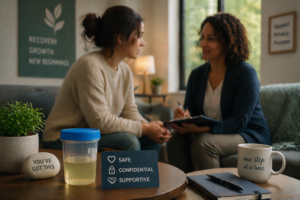
Building trust is one of the most important parts of addiction treatment. When patients trust their care team, they are more likely to stay in treatment and follow their recovery plan. One powerful tool that helps build this trust is drug testing.
At first, some people may feel nervous about drug testing. But when it is done the right way, it can actually make patients feel safer, supported, and respected. In this article, we will explain how drug testing helps build trust in rehab programs and supports long-term recovery.
Why Trust Matters in Addiction Treatment
Trust is the foundation of every strong relationship. This includes the relationship between patients and healthcare providers.
How Trust Helps Recovery
When patients trust their treatment team, they are more likely to:
- Be honest about their struggles
- Follow treatment plans
- Stay longer in rehab programs
- Ask for help when needed
Without trust, patients may hide information or avoid care. This can slow down recovery and increase the risk of relapse.
What Is Drug Testing in Rehab?
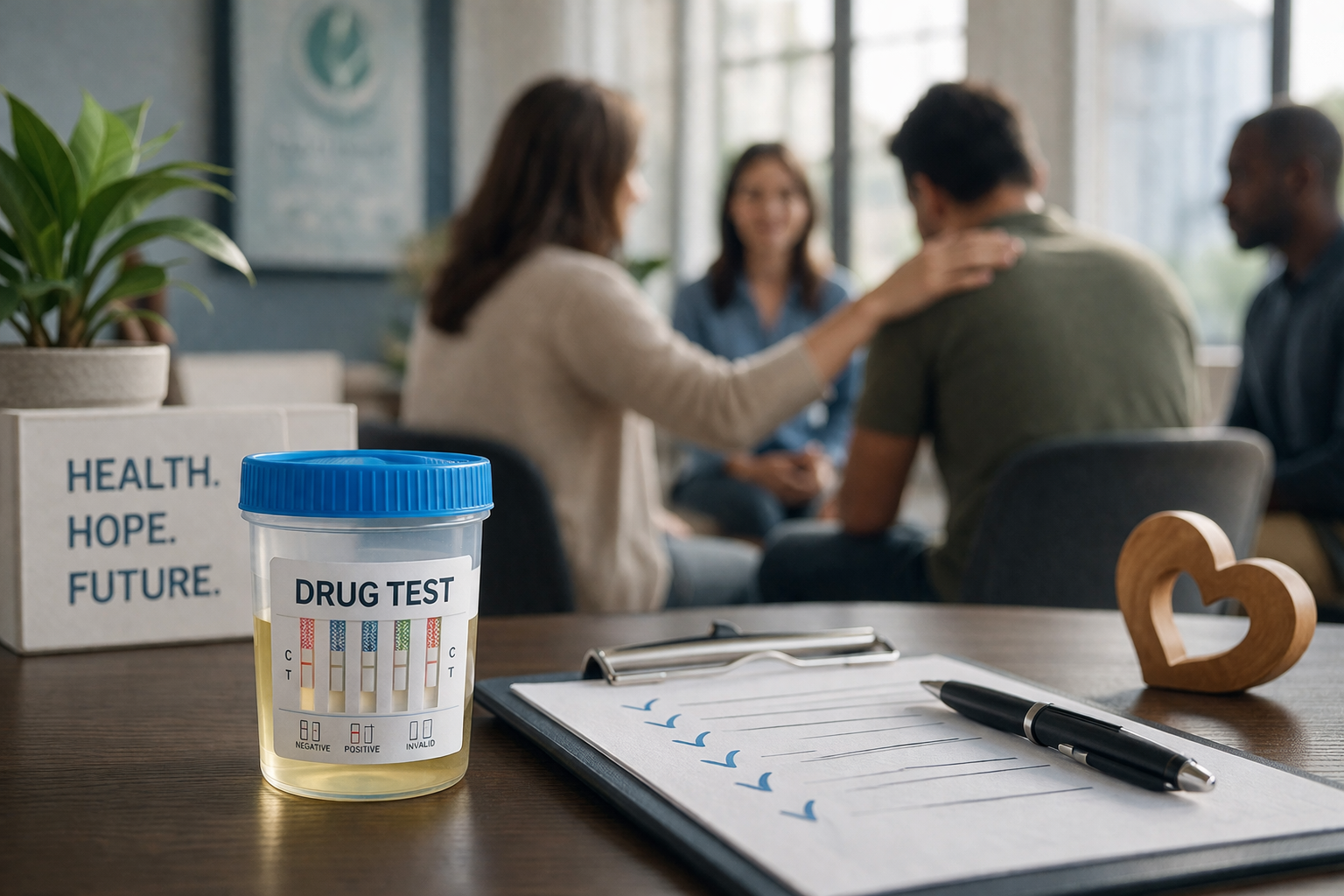
Drug testing is a process used to check if substances are in a person’s system. In rehab programs, it is used to support treatment—not to punish patients.
Common Types of Drug Testing
- Urine testing
- Oral fluid testing
- Hair testing
- Blood testing
Each method helps clinicians understand what is happening during recovery.
At Lynk Diagnostics, drug testing is designed to be accurate, respectful, and supportive of rehab facilities.
How Drug Testing Builds Patient Trust
Drug testing can actually help patients feel more secure and confident in their treatment.
Creating a Safe and Honest Environment
When drug testing is used regularly, it helps create a space where honesty is encouraged.
Patients know that:
- Everyone is being held to the same standards
- The focus is on recovery, not punishment
- The care team wants to help them succeed
This makes it easier for patients to open up and share their experiences.
Promoting Accountability Without Shame
Accountability is important in recovery. Drug testing helps patients stay on track.
But it must be done in a caring way.
When handled properly, drug testing:
- Supports personal responsibility
- Encourages healthy choices
- Reduces fear of judgment
This balance helps patients feel respected instead of ashamed.
Building Transparency Between Patients and Staff
Transparency means being open and clear.
Drug testing helps by:
- Providing clear results
- Removing guesswork
- Supporting honest conversations
When patients see that results are handled fairly, trust grows stronger.
The Role of Consistency in Drug Testing
Consistency is key when it comes to building trust.
Why Consistent Testing Matters
When testing is done regularly:
- Patients know what to expect
- There are no surprises
- Everyone is treated equally
This helps reduce anxiety and builds confidence in the program.
Scheduled vs Random Testing
Both types of testing can support trust:
- Scheduled testing helps patients prepare and stay focused
- Random testing helps keep accountability strong
A mix of both creates a balanced and fair system.
How Drug Testing Supports Patient Progress
Drug testing is not just about checking for substance use. It also helps track recovery progress.
Identifying Early Setbacks
Sometimes, patients may struggle during recovery. Drug testing can help detect these setbacks early.
This allows clinicians to:
- Adjust treatment plans
- Offer extra support
- Prevent further challenges
Early support builds trust because patients feel cared for.
Celebrating Milestones
Negative test results can be a big achievement.
Clinicians can use these moments to:
- Celebrate progress
- Encourage patients
- Build confidence
Positive reinforcement helps patients feel proud of their recovery journey.
Reducing Fear Around Drug Testing
Some patients may feel worried about drug testing at first.
Common Concerns
- Fear of judgment
- Fear of punishment
- Feeling controlled
These feelings are normal. But when drug testing is explained clearly, these fears often go away.
How to Make Testing Feel Supportive
Rehab programs can build trust by:
- Explaining the purpose of testing
- Using respectful language
- Keeping results private
- Focusing on care, not punishment
When patients feel safe, they are more likely to trust the process.
The Importance of Confidentiality
Privacy is very important in addiction treatment.
Protecting Patient Information
Drug testing results should always be handled with care.
This includes:
- Secure data systems
- Limited access to results
- Clear communication about privacy
When patients know their information is protected, trust increases.
The Role of Clinicians in Building Trust
Healthcare providers play a big role in how drug testing is viewed.
Communication Matters
Clinicians should:
- Explain why testing is needed
- Answer patient questions
- Listen without judgment
Good communication helps patients feel respected and understood.
Using Compassionate Care
Compassion means showing kindness and understanding.
When clinicians use compassionate care:
- Patients feel supported
- Fear decreases
- Trust grows stronger
Drug testing becomes a helpful tool, not a source of stress.
How Lynk Diagnostics Supports Trust in Rehab
Lynk Diagnostics focuses on helping rehab programs provide reliable and respectful drug testing.
What Sets Lynk Diagnostics Apart
- Accurate and timely results
- Support for treatment teams
- Focus on patient-centered care
- Commitment to ethical testing practices
By working closely with rehab facilities, Lynk Diagnostics helps create systems that build trust and improve outcomes.
Long-Term Benefits of Trust in Recovery
When trust is strong, recovery becomes more successful.
Better Treatment Outcomes
Patients who trust their care team are more likely to:
- Stay engaged in treatment
- Follow recovery plans
- Build healthy habits
Stronger Relationships
Trust helps patients build:
- Better relationships with clinicians
- Strong support systems
- Confidence in themselves
These factors are key for long-term recovery success.
Challenges and How to Overcome Them
Even with the best systems, challenges can happen.
Addressing Resistance to Testing
Some patients may resist drug testing.
This can be improved by:
- Providing clear education
- Showing empathy
- Involving patients in their care plans
Avoiding Misuse of Testing
Drug testing should never be used to punish or shame.
Instead, it should:
- Support recovery goals
- Encourage growth
- Build trust
When used correctly, it becomes a positive tool.
The Future of Drug Testing in Rehab Programs
Drug testing continues to improve with new technology and better practices.
Trends to Watch
- Faster and more accurate results
- Improved patient privacy systems
- More personalized testing plans
These changes will help make drug testing even more supportive and effective.
FAQs About Drug Testing and Trust in Rehab
Why is drug testing important in rehab programs?
Drug testing helps track progress, identify setbacks, and support recovery. It also creates accountability and builds trust between patients and clinicians.
Can drug testing really build trust?
Yes. When done in a respectful and supportive way, drug testing creates honesty, fairness, and transparency, which all help build trust.
Is drug testing used to punish patients?
No. In modern rehab programs, drug testing is used to support treatment and provide better care, not to punish patients.
How often should drug testing be done?
The frequency depends on the treatment plan. Some programs use regular testing, while others combine scheduled and random testing for better results.
How does Lynk Diagnostics help rehab programs?
Lynk Diagnostics provides accurate and reliable drug testing services that support patient care, improve transparency, and help build trust in treatment programs.
Conclusion
Drug testing is more than just a tool—it is a key part of building trust in rehab programs. When used with care, respect, and transparency, it helps patients feel safe, supported, and motivated.
By creating honest environments, promoting accountability, and protecting patient privacy, drug testing can strengthen the relationship between patients and clinicians.
With trusted partners like Lynk Diagnostics, rehab facilities can use drug testing to improve outcomes and support lasting recovery.
Resources
- Substance Abuse and Mental Health Services Administration (SAMHSA) – https://www.samhsa.gov
- National Institute on Drug Abuse (NIDA) – https://nida.nih.gov
- Centers for Disease Control and Prevention (CDC) – https://www.cdc.gov
American Society of Addiction Medicine (ASAM) – https://www.asam.org