
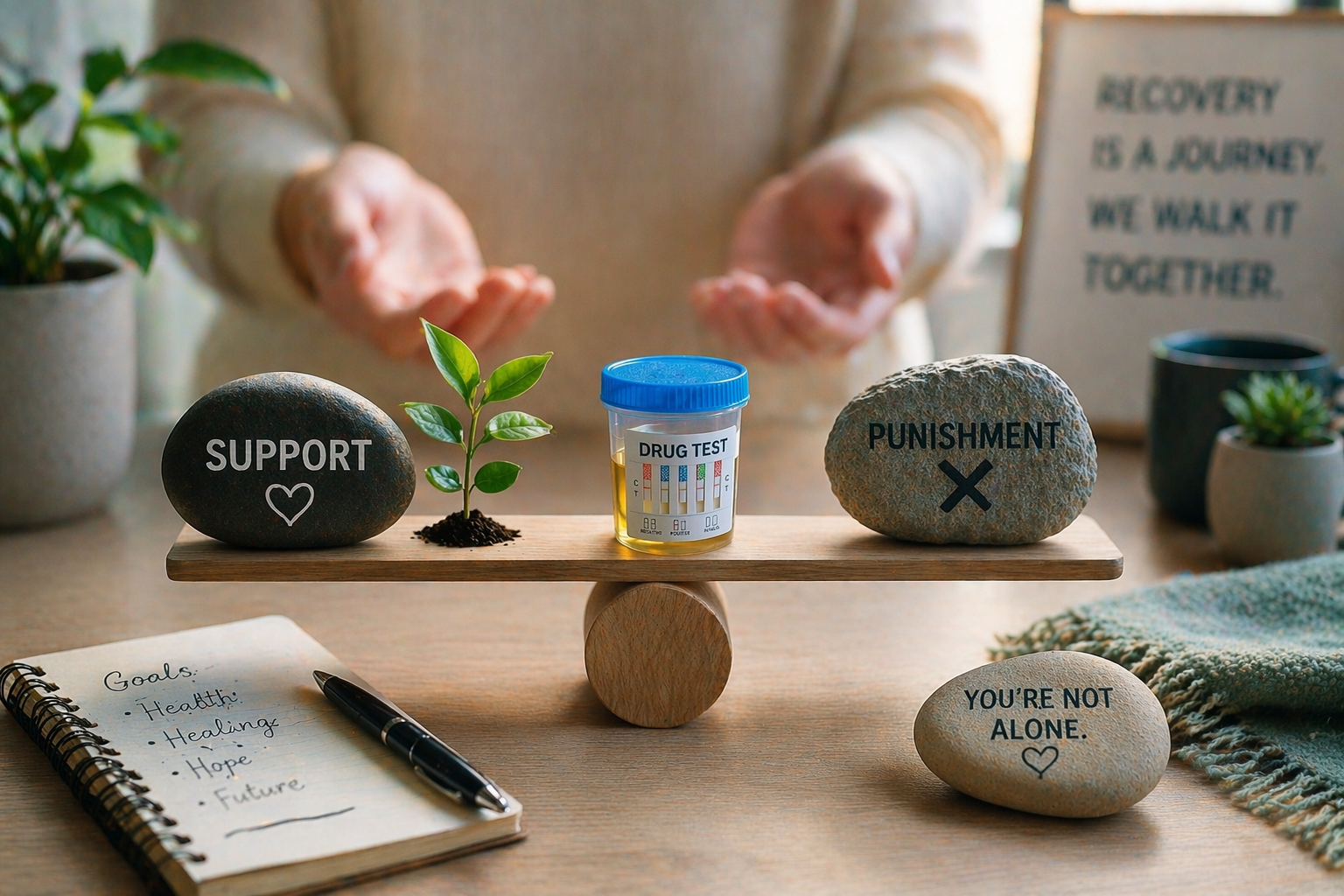
Drug testing is often misunderstood. Many people think it is used to catch mistakes or punish patients. But in a healthy treatment program, drug testing is not about punishment. It is about support, safety, and recovery.
At Lynk Diagnostics, drug testing is designed to help people heal. When used the right way, it becomes a tool that guides care, builds trust, and supports long-term success.
Let’s explore how drug testing can help people in recovery instead of hurting them.
What Is Drug Testing in Recovery?
Drug testing in recovery means checking a person’s system for substances. This can be done through urine testing, saliva testing, or other lab methods.
Why Drug Testing Is Used
Drug testing is used to:
- Monitor progress in treatment
- Support accountability
- Help clinicians make care decisions
- Keep patients safe
It is not meant to shame or punish. Instead, it helps the care team understand what is going on so they can offer the right support.
Changing the View: From Punishment to Support
Many people feel nervous about drug testing. This is often because they think they will get in trouble if something shows up.
Why This Mindset Needs to Change
When drug testing is seen as punishment:
- Patients may feel fear or anxiety
- Trust between patient and provider can break
- People may hide struggles instead of asking for help
When drug testing is seen as support:
- Patients feel safer being honest
- Clinicians can respond with care
- Recovery becomes a team effort
How Drug Testing Supports Recovery
Drug testing plays an important role in helping people stay on track.
Early Detection of Setbacks
Sometimes recovery is not a straight line. People may struggle or slip.
Drug testing helps:
- Catch setbacks early
- Prevent bigger problems
- Allow quick support from the care team
This early action can make a big difference in long-term recovery.
Building Accountability in a Healthy Way
Accountability is important in treatment. But it should feel supportive, not scary.
Drug testing helps patients:
- Stay committed to their goals
- Take responsibility for their recovery
- Feel proud of their progress
At Lynk Diagnostics, accountability is paired with compassion.
Helping Clinicians Make Better Decisions
Drug testing gives clear data. This helps clinicians understand what is happening.
With this information, they can:
- Adjust treatment plans
- Offer extra therapy or support
- Improve patient outcomes
This makes care more personalized and effective.
Creating a Supportive Drug Testing Environment
The way drug testing is done matters just as much as the test itself.
Clear Communication
Patients should always know:
- Why they are being tested
- How results will be used
- That the goal is support, not punishment
Open communication builds trust and reduces fear.
Respect and Dignity
Every patient deserves to be treated with respect.
A supportive approach includes:
- Private and professional testing procedures
- Kind and non-judgmental staff
- Honest and caring conversations
At Lynk Diagnostics, respect is always a top priority.
Consistent and Fair Testing
Consistency helps patients feel safe.
This means:
- Testing schedules are clear
- Rules are applied fairly to everyone
- There are no surprises meant to “catch” someone
Consistency builds trust and reduces anxiety.
The Role of Trust in Drug Testing
Trust is a key part of recovery. Drug testing can either build trust or break it.
How Drug Testing Builds Trust
When used correctly, drug testing:
- Shows patients that their care team is paying attention
- Encourages honesty
- Creates a safe space for open communication
Patients begin to see testing as part of their support system.
Avoiding Fear-Based Approaches
Fear does not help recovery. It often makes things worse.
Instead of fear, programs should focus on:
- Encouragement
- Education
- Support
This helps patients feel stronger and more confident.
Educating Patients About Drug Testing
Education is a powerful tool. When patients understand drug testing, they feel more comfortable.
What Patients Should Learn
Patients should know:
- How drug testing works
- What substances are detected
- How results are used in treatment
This knowledge reduces fear and confusion.
Teaching the Purpose Behind Testing
It is important to explain that drug testing is:
- A tool for safety
- A guide for treatment decisions
- A way to support recovery goals
When patients understand the “why,” they are more likely to engage.
Emotional Support During Drug Testing
Drug testing can bring up strong emotions. Programs should be ready to support patients.
Addressing Anxiety
Many patients feel anxious about testing.
Support can include:
- Reassurance from staff
- Clear explanations
- A calm and respectful environment
This helps patients feel more at ease.
Responding to Positive Results
A positive test result should not lead to punishment.
Instead, it should lead to:
- A conversation about what happened
- Extra support or therapy
- Adjustments to the treatment plan
This approach helps patients learn and grow.
Drug Testing as Part of a Bigger Recovery Plan
Drug testing is just one part of recovery. It works best when combined with other support tools.
Therapy and Counseling
Therapy helps patients:
- Understand their behaviors
- Learn coping skills
- Build emotional strength
Drug testing supports this by providing real-time feedback.
Peer Support and Community
Support groups and peer programs are important.
They offer:
- Encouragement from others
- Shared experiences
- A sense of belonging
Drug testing adds structure and accountability to this support.
Ongoing Monitoring and Care
Recovery does not end after treatment.
Ongoing drug testing can:
- Help maintain progress
- Provide continued support
- Prevent relapse
At Lynk Diagnostics, ongoing care is part of long-term success.
Benefits of a Support-Focused Approach
When drug testing is used as a support tool, the benefits are clear.
Improved Patient Outcomes
Patients are more likely to:
- Stay engaged in treatment
- Be honest about struggles
- Achieve lasting recovery
Stronger Patient-Provider Relationships
Trust grows when patients feel supported.
This leads to:
- Better communication
- More effective care
- A positive treatment experience
Reduced Stigma Around Drug Testing
When testing is not seen as punishment:
- Patients feel less shame
- Recovery becomes more open and honest
- Treatment programs become more welcoming
Why Lynk Diagnostics Takes a Support-First Approach
Lynk Diagnostics focuses on helping rehab facilities provide better care.
Patient-Centered Testing
Their approach includes:
- Accurate and reliable testing methods
- Fast and clear results
- Respectful and professional service
Supporting Treatment Teams
Lynk Diagnostics helps clinicians:
- Understand patient progress
- Make informed decisions
- Provide better support
Promoting Long-Term Recovery
The goal is not just short-term success. It is lasting recovery.
By using drug testing as a support tool, Lynk Diagnostics helps patients build a strong foundation for the future.
FAQs
What is the purpose of drug testing in rehab?
Drug testing helps monitor progress, support recovery, and guide treatment decisions. It is not meant to punish patients.
Can drug testing help prevent relapse?
Yes. Drug testing can detect early signs of relapse, allowing clinicians to provide support before problems get worse.
How can drug testing reduce anxiety in patients?
Clear communication, respectful treatment, and a supportive approach can help reduce fear and make patients feel safe.
What happens if a drug test is positive?
A positive result should lead to support, not punishment. Clinicians may adjust the treatment plan and offer extra help.
Why is trust important in drug testing?
Trust helps patients feel safe and open. When patients trust their care team, they are more likely to stay engaged in recovery.
Resources
- Substance Abuse and Mental Health Services Administration (SAMHSA) – https://www.samhsa.gov
- National Institute on Drug Abuse (NIDA) – https://nida.nih.gov
- American Society of Addiction Medicine (ASAM) – https://www.asam.org
- Centers for Disease Control and Prevention (CDC) – https://www.cdc.gov
By changing the way we think about drug testing, we can turn it into a powerful tool for healing. With the right approach, support, and care, drug testing becomes a key part of a successful recovery journey.