Coordinating Drug Testing Across Multiple Rehab Campuses in Different States: Comprehensive Strategies for Reliable Multi-State Toxicology Services
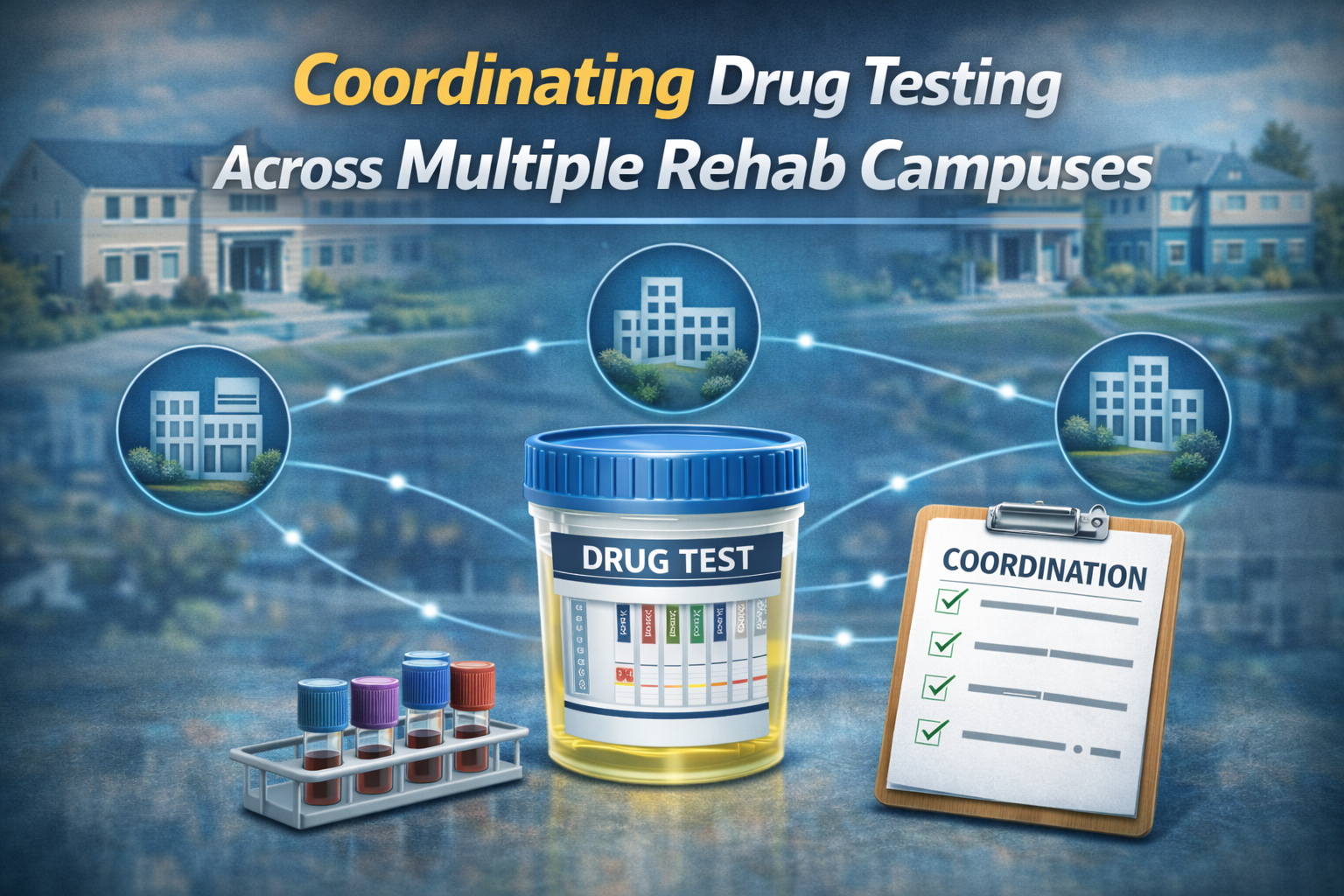
Coordinating drug testing across multiple rehab campuses in different states presents unique challenges and opportunities for addiction treatment providers. This article explores comprehensive strategies to ensure reliable and compliant toxicology services, focusing on the critical aspects of regulatory requirements, specimen collection logistics, and the technologies that support effective drug screening. Readers will gain insights into how coordinated drug testing can enhance patient outcomes and support addiction relapse prevention. As the landscape of addiction treatment evolves, understanding these strategies is essential for treatment centers aiming to provide consistent care across state lines. We will delve into key compliance requirements, effective specimen management, and the role of advanced testing technologies in this process.
What Are the Key Compliance and Regulatory Requirements for Multi-State Drug Testing?
Compliance with regulatory requirements is crucial for effective multi-state drug testing. Each state has its own set of regulations that govern drug testing practices, which can complicate coordination efforts across different locations. Understanding these regulations ensures that treatment centers remain compliant and can provide reliable testing services.
How Do State and Federal Regulations Impact Coordinated Drug Testing?
State and federal regulations significantly impact coordinated drug testing by establishing guidelines that treatment centers must follow. For instance, while federal regulations provide a baseline for drug testing practices, individual states may impose additional requirements, such as specific consent forms or testing protocols. This discrepancy can lead to confusion and potential compliance issues if not properly managed. Treatment centers must stay informed about both state and federal regulations to ensure their practices align with legal standards.
What Best Practices Ensure Multi-State Drug Testing Compliance?
To ensure compliance with multi-state drug testing, treatment centers should adopt several best practices:
- Regular Training for Staff: Continuous education on state-specific regulations helps staff remain compliant and informed.
- Documentation Practices: Maintaining thorough records of testing procedures and results is essential for compliance and accountability.
- Audit Procedures: Regular audits can identify potential compliance gaps and ensure adherence to both state and federal regulations.
Implementing these best practices not only enhances compliance but also fosters a culture of accountability within treatment centers.
How Is Specimen Collection and Logistics Managed Across Multiple Rehab Locations?
Effective management of specimen collection and logistics is vital for maintaining the integrity of drug testing across multiple rehab campuses. This involves establishing standardized procedures that ensure consistency and reliability in testing results.
What Are Effective Methods for Coordinated Specimen Collection?
Coordinated specimen collection can be achieved through standardized procedures that all staff members follow. This includes:
- Training Collection Staff: Ensuring that all personnel involved in specimen collection are trained in proper techniques and protocols.
- Standardized Collection Kits: Utilizing uniform collection kits across all campuses to minimize variability in the collection process.
- Clear Communication: Establishing clear lines of communication between campuses to coordinate collection schedules and procedures effectively.
These methods help ensure that specimens are collected accurately and consistently, which is crucial for reliable testing outcomes.
How Does Specimen Transport and Tracking Ensure Testing Accuracy?
Transporting specimens safely and tracking them effectively are essential components of the drug testing process. Implementing robust tracking systems can help maintain the chain of custody and ensure that specimens are not compromised during transport.
- Transport Methods: Utilizing secure and temperature-controlled transport methods can prevent degradation of specimens.
- Tracking Systems: Employing digital tracking systems allows for real-time monitoring of specimens, ensuring they are accounted for at every stage of the testing process.
By prioritizing specimen transport and tracking, treatment centers can enhance the accuracy and reliability of their drug testing results.
Which Toxicology Testing Technologies Support Accurate Multi-Campus Drug Screening?
The landscape of toxicology testing is continually evolving, with new technologies emerging to enhance the accuracy and efficiency of drug screening. Understanding these technologies is essential for treatment centers looking to implement effective testing protocols.
What Testing Methods Are Most Reliable for Addiction Treatment Centers?
Addiction treatment centers often rely on several testing methods to ensure accurate results:
- Immunoassays: Commonly used for initial screening due to their speed and cost-effectiveness.
- Gas Chromatography-Mass Spectrometry (GC-MS): Considered the gold standard for confirmatory testing, providing high specificity and sensitivity.
- Liquid Chromatography-Mass Spectrometry (LC-MS/MS): Offers advanced capabilities for detecting a wide range of substances, including synthetic drugs.
These methods, when used in conjunction, provide a comprehensive approach to drug testing that enhances reliability and accuracy.
How Do Advanced Technologies Enhance Clinical Drug Testing Management?
Advanced technologies play a crucial role in enhancing clinical drug testing management. Automation in testing processes can reduce human error and increase efficiency. Additionally, data management improvements allow for better tracking of testing results and compliance with regulatory requirements.
- Automated Systems: Implementing automated testing systems can streamline workflows and reduce turnaround times for results.
- Data Analytics: Utilizing data analytics tools can help treatment centers identify trends and improve their testing protocols over time.
By leveraging these advanced technologies, treatment centers can improve their overall drug testing management and ensure high-quality care for their patients.
How Does Coordinated Drug Testing Support Addiction Relapse Prevention?
Coordinated drug testing is a critical component of addiction relapse prevention strategies. By monitoring patients’ substance use, treatment centers can intervene early and provide necessary support to reduce the risk of relapse.
What Role Do Toxicology Tests Play in Monitoring Relapse Risks?
Toxicology tests serve as a vital tool in monitoring relapse risks by providing objective data on patients’ substance use. Regular testing can help identify potential issues before they escalate, allowing treatment providers to adjust care plans accordingly.
- Frequent Testing: Implementing a schedule of regular testing can help maintain accountability and encourage patients to stay committed to their recovery.
- Feedback Mechanisms: Providing patients with feedback on their test results can foster open communication and support their recovery journey.
By integrating toxicology testing into relapse prevention strategies, treatment centers can enhance their ability to support patients effectively.
The critical need for effective relapse prevention strategies, which coordinated drug testing supports, is underscored by the high rates of relapse observed in addictive behaviors.
Relapse Prevention Strategies for Addictive Behaviors
Relapse poses a fundamental barrier to the treatment of addictive behaviors by representing the modal outcome of behavior change efforts [1–3]. For instance, twelve-month relapse rates following alcohol or tobacco cessation attempts generally range from 80-95% [1,4] and evidence suggests comparable relapse trajectories across various classes of substance use [1,5,6]. Preventing relapse or minimizing its extent is therefore a prerequisite for any attempt to facilitate successful, long-term changes in addictive behaviors.
Relapse prevention for addictive behaviors, CS Hendershot, 2011
How Can Multi-State Testing Coordination Improve Patient Outcomes?
Coordinating drug testing across multiple states can significantly improve patient outcomes by ensuring consistent monitoring and support. When treatment centers collaborate and share information, they can provide a more comprehensive approach to care.
- Shared Data Systems: Utilizing shared data systems allows for seamless communication between campuses, ensuring that all providers have access to the same information.
- Collaborative Care Models: Implementing collaborative care models can enhance the support network for patients, making it easier for them to access the resources they need.
This coordinated approach not only improves patient outcomes but also strengthens the overall effectiveness of addiction treatment programs.
What Reporting and Data Integration Solutions Optimize Multi-Campus Drug Testing Management?
Effective reporting and data integration solutions are essential for optimizing drug testing management across multiple campuses. These solutions facilitate the consolidation of testing data and ensure compliance with regulatory requirements.
How Is Test Data Consolidated for Multi-Location Providers?
Consolidating test data for multi-location providers involves implementing systems that can aggregate results from various campuses. This can be achieved through:
- Centralized Databases: Utilizing centralized databases allows for easy access to testing results and compliance documentation.
- Standardized Reporting Formats: Implementing standardized reporting formats ensures consistency in how data is presented and analyzed.
By consolidating test data, treatment centers can streamline their reporting processes and enhance their ability to monitor compliance.
The importance of a unified approach to data management in multi-site operations is further emphasized by research into centralized informatics infrastructures for drug abuse trials.
Centralized Informatics for Multi-Site Drug Abuse Trials
We describe the centralized informatics infrastructure that supports the National Institute on Drug Abuse (NIDA) Clinical Trials Network (CTN) and discuss the challenges and benefits of transitioning a clinical trial network from a decentralized to a centralized data center model, descriptive of the CTN’s trial activities and administration.
A centralized informatics infrastructure for the National Institute on drug abuse clinical trials network, 2009
What Digital Tools Facilitate Real-Time Reporting and Compliance Tracking?
Digital tools play a crucial role in facilitating real-time reporting and compliance tracking. These tools can help treatment centers stay informed about their testing practices and ensure adherence to regulatory requirements.
- Real-Time Dashboards: Implementing real-time dashboards allows providers to monitor testing results and compliance metrics at a glance.
- Automated Alerts: Utilizing automated alerts can notify staff of any compliance issues or discrepancies in testing practices.
By leveraging these digital tools, treatment centers can enhance their operational efficiency and ensure high-quality care for their patients.
What Are the Challenges and Solutions in Coordinating Drug Testing Across Multiple States?
Coordinating drug testing across multiple states presents several challenges, including regulatory barriers, logistical issues, and privacy concerns. Addressing these challenges is essential for ensuring effective testing practices.
How Are Privacy and Patient Confidentiality Maintained in Multi-State Testing?
Maintaining privacy and patient confidentiality in multi-state testing is critical for compliance and trust. Treatment centers must adhere to strict privacy laws and implement best practices to protect patient information.
- HIPAA Compliance: Ensuring compliance with the Health Insurance Portability and Accountability Act (HIPAA) is essential for safeguarding patient data.
- Secure Data Handling: Implementing secure data handling practices, such as encryption and access controls, can help protect sensitive information.
By prioritizing privacy and confidentiality, treatment centers can build trust with their patients and ensure compliance with legal requirements.
What Strategies Overcome Logistical and Regulatory Barriers?
Overcoming logistical and regulatory barriers requires strategic planning and collaboration among treatment centers. Some effective strategies include:
- Collaboration with Local Authorities: Engaging with local regulatory bodies can help clarify compliance requirements and streamline processes.
- Standardized Protocols: Developing standardized protocols for testing and reporting can reduce variability and enhance compliance.
- Training and Education: Providing ongoing training for staff on regulatory changes and best practices can help ensure adherence to compliance standards.
By implementing these strategies, treatment centers can navigate the complexities of multi-state drug testing and provide high-quality care to their patients.
| Compliance Aspect | Description | Importance |
|---|---|---|
| State Regulations | Vary by state, impacting testing protocols | Ensures legal adherence |
| Federal Guidelines | Provide baseline standards for drug testing | Establishes minimum compliance |
| Documentation | Essential for accountability and legal protection | Supports compliance audits |
This table highlights the critical aspects of compliance that treatment centers must navigate to ensure effective drug testing across multiple states.
In conclusion, coordinating drug testing across multiple rehab campuses in different states requires a comprehensive understanding of compliance, logistics, and technology. By implementing best practices and leveraging advanced solutions, treatment centers can enhance their drug testing management and ultimately improve patient outcomes.
Frequently Asked Questions
1) What’s the biggest risk when campuses don’t coordinate testing?
Inconsistent rules can lead to fairness problems, documentation errors, and confusing patient expectations.
2) How do we standardize ordering across locations?
Use shared order sets, consistent panel names, and one master policy that each campus follows.
3) How do we handle specimen pickup and shipping across sites?
Set scheduled pickups, backup shipping steps, and site-specific supply par levels so no campus runs out.
4) How do we keep results communication consistent?
Use a shared protocol: who reviews, who notifies, how quickly, and how it’s documented.
5) What governance helps multi-campus programs?
A central testing lead, monthly metrics review, and site champions who enforce the same standards.
Resources
- AHRQ Care coordination resources: https://www.ahrq.gov/topics/care-coordination.html
- HHS HIPAA Privacy Rule: https://www.hhs.gov/hipaa/for-professionals/privacy/laws-regulations/index.html
- HHS HIPAA Security Rule: https://www.hhs.gov/hipaa/for-professionals/security/laws-regulations/index.html
- CMS CLIA overview: https://www.cms.gov/medicare/quality/clinical-laboratory-improvement-amendments