
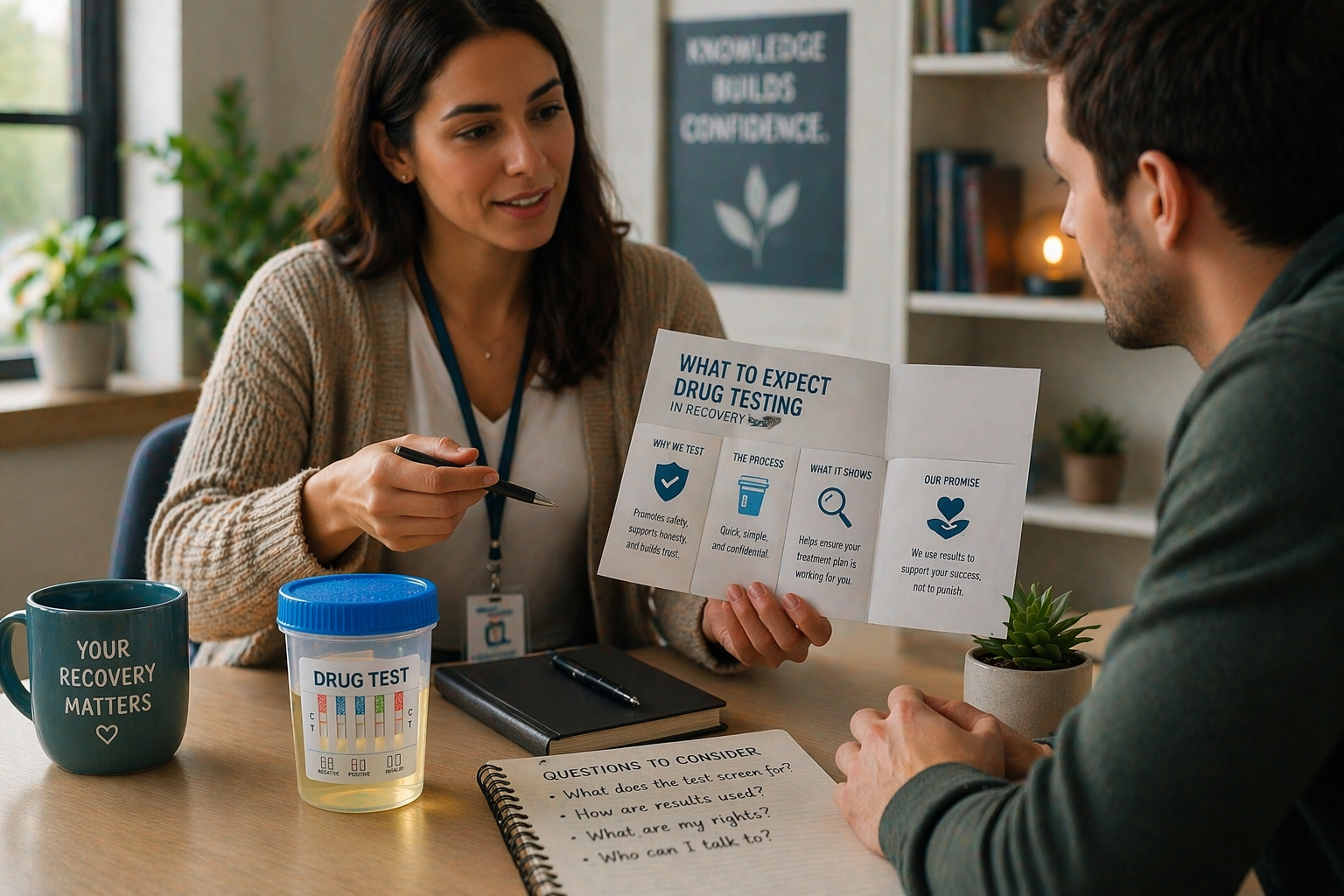
Understanding Drug Testing in Rehab
Drug testing is a key part of addiction treatment programs. It helps care teams see how patients are doing in recovery. Many rehab centers use drug testing to support safety, honesty, and progress.
When patients first hear about drug testing, they may feel nervous or unsure. This is why education is so important. When people understand the process, they feel more comfortable and willing to take part.
At Lynk Diagnostics, drug testing services are designed to help rehab facilities provide clear, accurate, and supportive testing. Education is a big part of making this work well.
Why Patient Education Matters
Reduces Fear and Anxiety
Many patients worry about drug testing. They may feel judged or afraid of getting in trouble. Education helps reduce these fears.
When patients learn:
- Why testing is done
- How results are used
- What to expect
They feel safer and more relaxed.
Builds Trust in Treatment Programs
Trust is very important in addiction recovery. When rehab programs are open about drug testing, patients feel respected.
Clear communication helps patients see that:
- Drug testing is not punishment
- It is a tool for support
- It helps guide treatment decisions
This builds a stronger relationship between patients and care providers.
What Patients Should Know About Drug Testing
Types of Drug Tests Used
Patients should understand the different types of drug testing methods used in rehab. These may include:
- Urine testing – the most common method
- Saliva testing – quick and easy
- Hair testing – shows long-term substance use
- Blood testing – used in some medical cases
Each type has a purpose. Explaining this helps patients feel informed.
How Testing Works
Patients need simple, step-by-step explanations. For example:
- A sample is collected
- The sample is sent to a lab
- Results are reviewed by professionals
- Results are shared with the care team
Using clear language helps patients understand the process without confusion.
How Drug Testing Supports Recovery
Helps Track Progress
Drug testing shows if a patient is staying on track. It gives real data that supports treatment planning.
When patients understand this, they see testing as helpful, not harmful.
Detects Setbacks Early
Recovery is not always perfect. Sometimes people slip. Drug testing can catch setbacks early so the care team can respond quickly.
This allows:
- Faster support
- Adjusted treatment plans
- Better long-term outcomes
Encourages Accountability
Drug testing encourages honesty. Patients are more likely to stay committed when they know testing is part of the program.
This builds responsibility and strengthens recovery habits.
Best Ways to Educate Patients About Drug Testing
Use Simple and Clear Language
Avoid medical jargon. Use easy words and short sentences. This helps patients of all reading levels understand.
Example:
Instead of saying “toxicology screening,” say “drug testing.”
Start Education Early
Begin talking about drug testing during intake or the first day of treatment. Early education prevents confusion later.
Explain:
- When testing will happen
- How often it will occur
- What the results mean
Be Honest and Transparent
Always be open with patients. Do not hide information.
Tell them:
- Why testing is important
- How results affect treatment
- What happens if a test is positive
Transparency builds trust.
Addressing Common Patient Concerns
“Will I Get in Trouble?”
Many patients fear punishment. It is important to explain that drug testing is not about punishment.
Instead, it is used to:
- Understand patient needs
- Adjust care plans
- Provide support
“Is My Privacy Protected?”
Patients may worry about privacy. Reassure them that their information is protected.
Explain that:
- Results are confidential
- Only the care team sees them
- Data is handled securely
“What If I Relapse?”
Relapse can happen. Patients should know they will not be abandoned.
Drug testing helps the team respond with care, not judgment.
Creating a Supportive Environment
Use Positive Communication
The way staff talk about drug testing matters. Use kind and supportive words.
Avoid:
- Blame
- Shame
- Fear-based language
Instead, focus on:
- Growth
- Progress
- Support
Encourage Questions
Patients should feel safe asking questions. This helps them better understand the process.
Encourage them to ask:
- How tests work
- What results mean
- What happens next
Provide Educational Materials
Use handouts, videos, and simple guides. Visual tools can make learning easier.
Lynk Diagnostics supports rehab centers by offering clear and helpful drug testing information that can be shared with patients.
The Role of Staff in Patient Education
Training Staff Properly
Staff should be trained to explain drug testing clearly. This includes:
- Counselors
- Nurses
- Case managers
When staff are confident, patients feel more comfortable.
Staying Consistent
All team members should give the same message about drug testing. This avoids confusion.
Consistency helps patients trust the process.
How Lynk Diagnostics Supports Patient Education
Lynk Diagnostics works with rehab facilities to make drug testing simple and clear.
They provide:
- Accurate lab testing services
- Easy-to-understand reporting
- Support for treatment teams
By using reliable testing and clear communication, rehab centers can better educate patients and improve outcomes.
Long-Term Benefits of Patient Education
Better Engagement in Treatment
When patients understand drug testing, they are more likely to stay involved in their program.
Improved Recovery Outcomes
Education leads to better decisions. Patients who understand the process are more likely to succeed in recovery.
Stronger Trust Between Patients and Providers
Trust leads to better communication. This improves the overall treatment experience.
FAQs About Educating Patients on Drug Testing
What is the purpose of drug testing in rehab?
Drug testing helps track progress, detect setbacks, and support recovery. It is not meant to punish patients.
How can I explain drug testing to patients in simple terms?
Use clear, simple language. Explain what happens step by step and why it matters for their recovery.
How often should patients be tested?
The frequency depends on the treatment program. Some programs use routine testing, while others use random testing.
What should patients do if they are nervous about testing?
Encourage them to ask questions and talk about their concerns. Education and support can help reduce anxiety.
How does Lynk Diagnostics help with drug testing education?
Lynk Diagnostics provides clear testing processes and easy-to-understand results, helping both staff and patients feel informed and confident.
Resources
- Substance Abuse and Mental Health Services Administration (SAMHSA) – https://www.samhsa.gov
- National Institute on Drug Abuse (NIDA) – https://nida.nih.gov
- American Society of Addiction Medicine (ASAM) – https://www.asam.org
- Centers for Disease Control and Prevention (CDC) – https://www.cdc.gov
Educating patients about drug testing in rehab is not just helpful—it is essential. When patients understand the process, they feel safer, more confident, and more willing to engage in treatment. With the right approach, clear communication, and support from providers like Lynk Diagnostics, drug testing becomes a powerful tool for healing and recovery.