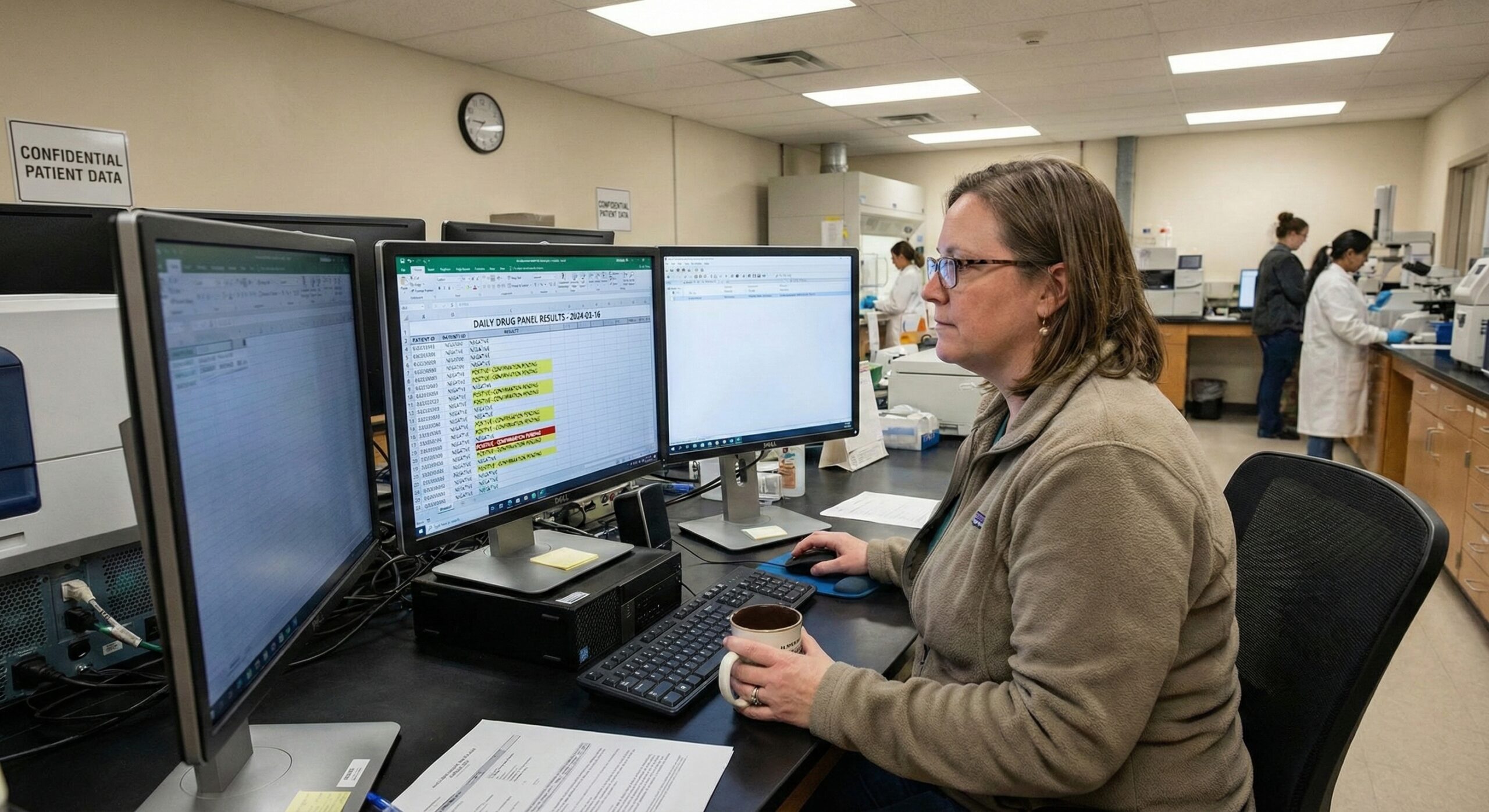
Drug Testing and Boundaries: Why This Matters
A fair drug testing program is one tool that helps an organization keep healthy boundaries. It supports sobriety, safety, credibility, and trust—without turning care into punishment.
What “Drug Testing for Boundaries” Really Means
Drug testing is not about “catching” people. In rehab and health care settings, it is mainly about:
- Safety: lowering hazard and accident risk
- Trust: keeping a strong culture and reputation
- Support: connecting people to help like an employee assistance program (EAP)
- Compliance: meeting regulation and regulatory compliance needs
- Fairness: using clear policies so people know what to expect
It also supports good document habits. When results are handled the right way, the workplace has better records for evaluation, audits, insurance, and risk management.
Boundaries for Staff: Protecting Clients, Coworkers, and the Company
Staff boundaries in a rehab company are about professionalism. Staff must avoid impaired work, unsafe choices, and any misuse of medication. Drug tests can help in several common situations:
Safety-sensitive work and client care
Some roles are safety-sensitive. Think nursing support, transport, supervision, or medication handling. If a staff member is impaired, the risk of injury goes up.
Testing can support workplace wellness and productivity. It also helps leadership show they take safety seriously.
Preventing “special treatment” and boundary drift
When a workplace ignores warning signs, rules can start to bend. Drug testing supports consistent management, so policies apply to everyone.
Supporting staff who need help
A positive test can be a signal to offer support, not shame. Many employers use an EAP to help employees find treatment or counseling. This supports health and job satisfaction.
Boundaries for Clients: Safety, Accountability, and Clear Program Rules
Client boundaries are about recovery and program safety. Drug tests can help a rehab facility:
- Check adherence to a treatment plan
- Spot relapse early (including opiate or other drug use)
- Keep the community safe
- Reduce conflict, contraband, and unsafe customs inside the program
- Support accountability in a way that is consistent and documented
Testing is not a full picture of someone’s recovery. But it can be a useful data point—especially when combined with therapy progress, attendance, and a clinical evaluation.
Common Testing Types Used in Rehab and Workplace Settings
Different drug tests fit different needs. A good testing program matches the test type to the goal.
Urine drug testing (urinalysis)
Urine is the most common method. A urine test can detect many drug classes and is widely used in workplace drug testing. “Urinalysis” often means the same thing as urine drug testing.
Saliva testing
Saliva testing (also called saliva testing) can be easier to collect and may be helpful for recent use. It can support accessibility when urine collection is hard.
Hair analysis (hair follicle)
Hair analysis (often called hair follicle testing) can show longer patterns of use. It is sometimes used for background check screening or high-trust roles.
Breath alcohol testing
Breath alcohol testing is used for alcohol testing because it can show current alcohol impairment. It can be part of a drug and alcohol safety plan, especially after an accident or when there are signs of impairment.
When Testing Happens: Clear Triggers Help Protect Privacy and Fairness
Testing should not feel random or personal. It should be based on written policy and real safety needs.
Pre-employment and onboarding
Many programs test during hiring and onboarding. This can be part of employment screening and a background check process. The goal is to protect clients, staff, and the organization from avoidable risk.
Random or scheduled workplace testing
Random testing can reduce overall drug use and improve workforce safety. But it must follow policies, law, and regulation.
Reasonable suspicion testing
Reasonable suspicion means there are signs that a person may be impaired. Examples can include unsafe behavior, strong odor of alcohol, confusion, or major mood changes. Supervisors should be trained to document signs fairly and avoid discrimination.
Post-accident testing
After an accident or injury, testing can help with safety reviews, legal questions, and insurance needs. It can also help the workplace learn what happened and reduce future hazard.
Return-to-duty or follow-up testing
If a staff member or client returns after a relapse event, testing can support structure, transparency, and adherence to the plan.
Confidentiality, Consent, and the Right to Privacy
Drug testing only works when privacy is protected. People need to know their rights and how their data is handled.
A strong policy should cover:
- Consent: what the person agrees to, and when
- Confidentiality: who can see results (usually limited HR/management)
- Right to privacy: how information is stored and shared
- Data security: secure systems, limited access, and safe technology
- Document rules: how results are recorded, corrected, and retained
Results should be shared only on a need-to-know basis. In rehab and health care workplaces, privacy mistakes can damage credibility, culture, and reputation.
Avoiding Discrimination and Staying Within the Law
A testing program must be fair. It must be consistent. It must follow legal rules.
A few important points:
- Use the same policy for similar roles.
- Train supervisors and human resources staff on how to apply the policy.
- Focus on safety and job duties, not personal opinions.
- Keep strong documentation so decisions are based on facts and evaluation.
Also, screening practices like background check decisions can raise discrimination concerns if used unfairly. That’s why written policies and trained leadership matter.
Building a Testing Program People Can Trust
A good testing program is clear, respectful, and consistent. It should include:
Strong written policies
Policies should explain what drug tests are used, when testing happens, what happens after results, and how confidentiality works. Use plain language so employees and clients can understand.
Training for leaders and staff
Training helps supervisors spot signs, use reasonable suspicion correctly, and avoid bias. It also helps staff understand why testing exists.
Transparency and communication
Transparency reduces fear. It also boosts job satisfaction because people know the rules are consistent.
Accessibility and support options
Make testing accessible. Plan for people with medical needs. Offer support through an EAP, referrals, or a clear care pathway when substance abuse is involved.
How Lynk Diagnostics Supports Rehab Facilities
Lynk Diagnostics provides drug testing services built for rehab facilities and structured workplace testing needs. Here’s how that support can help boundary monitoring:
- Clear testing program setup: help align policies, testing menus, and workflows
- Laboratory support: reliable laboratory processes for urine drug testing, saliva testing, and hair follicle options
- Confidential reporting: results delivered with confidentiality and data security in mind
- Compliance help: support regulatory compliance and documentation standards
- Education support: help with knowledge and training tools for staff collection and policy use
When testing is consistent and well-documented, it becomes a safety tool—not a “gotcha” tool. It supports management, protects clients, reduces risk, and strengthens credibility.
Why This Matters Right Now
Substance abuse and overdose risk can impact workplaces, including safety-sensitive roles. In rehab settings, the stakes are even higher because clients are in a vulnerable place. Clear boundaries plus fair drug and alcohol testing can protect healing spaces.
FAQs
Can drug testing help stop staff-client boundary violations?
It can help reduce risk by discouraging impaired work and supporting accountability. But it works best when paired with strong leadership, training, and clear policies.
What is the most common test used in workplace drug testing?
Urine drug testing (urinalysis) is very common because it is widely available and can detect many drugs.
Is saliva testing accurate?
Saliva testing can be accurate for recent drug use when collected and processed correctly. It may be helpful when urine collection is not practical.
How do we protect confidentiality and privacy with drug test results?
Limit access, use secure technology, follow a written document process, and apply data security practices. Only the right people (like HR or specific managers) should see results.
What should we do after a positive drug test result?
Follow your policy. Confirm results when needed, document steps, protect privacy, and focus on safety. For employees, many workplaces connect the employee to an employee assistance program or another support plan.
Resources