Why Audits and Reviews Matter in Rehab Care
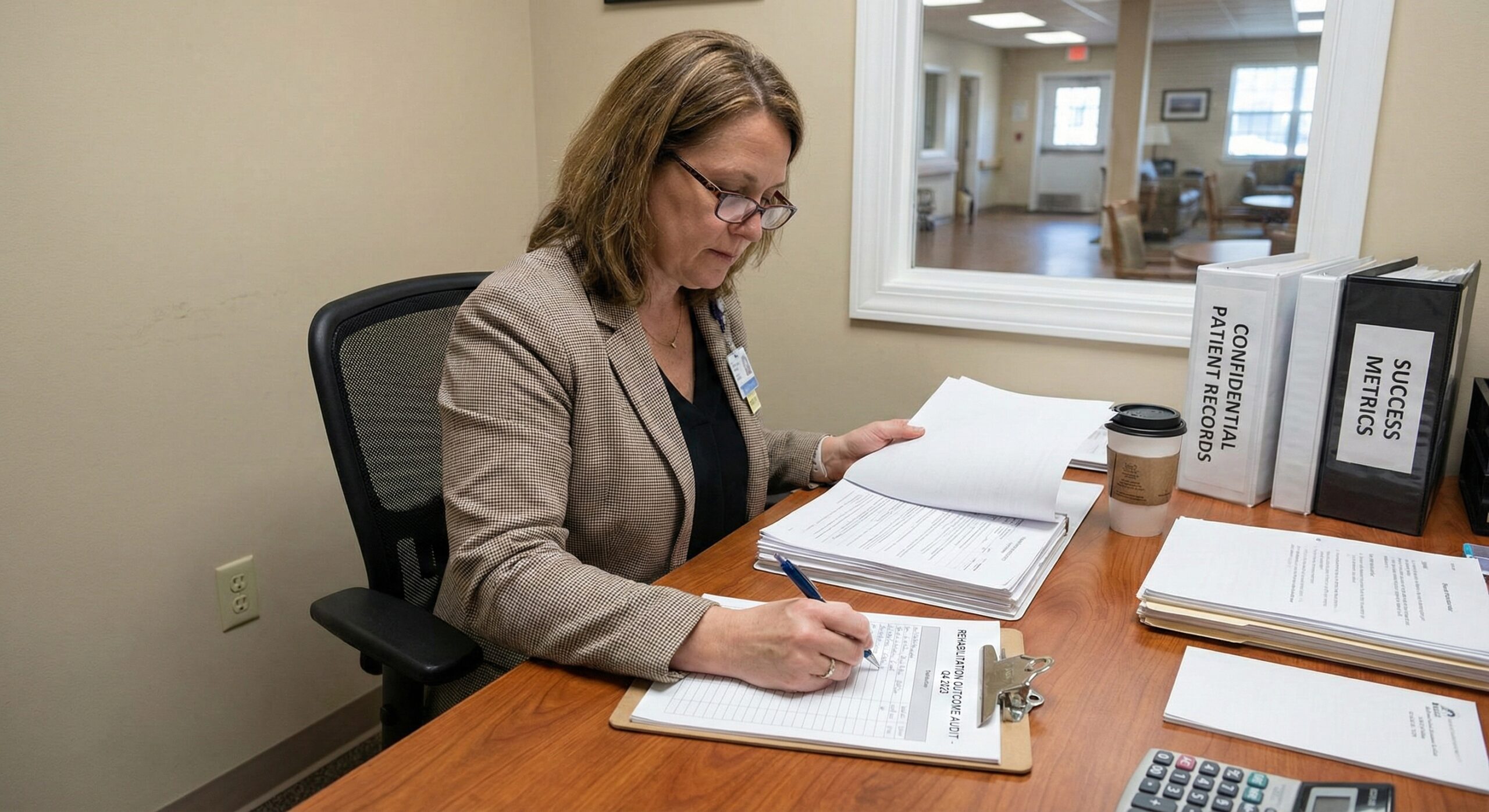
Audits and reviews are checkups for rehab facilities, rehab centers, and treatment centers. They help make sure a facility follows rules, protects each patient, and gives safe services. These reviews can come from many places, like insurance, Medicaid, state agencies, or accrediting groups like CARF. Some facilities may also see joint commission surveyors during a review.
During an audit, people look at records, policies, and real-life care. They may ask about treatment, therapy, medication, nursing notes, and how a team handles relapse risk. They also check if the organization meets regulatory compliance and follows the Code of Federal Regulations when it applies.
A trusted testing center like Lynk Diagnostics can support treatment facilities during these moments by giving clear drug testing support, accurate data, and strong documentation that helps build credibility.
What Auditors Usually Look For
Auditors and reviewers often focus on patient safety, health care quality, and rule-following. They want proof, not guesses.
Medical Records and Documentation
Auditors often review the medical record for each patient. They check:
- Admission evaluation and ongoing evaluation notes
- Therapy plans (including physical therapy when needed)
- Medication lists and clinician notes
- Nursing documentation and physician sign-offs
- Evidence of progress in recovery and treatment
They may also look at how you store information, who can access it, and whether your policy is followed every time.
Compliance, Rules, and Accountability
Reviews often include compliance checks tied to:
- Regulatory compliance requirements
- CARF standards (if the facility is CARF-accredited)
- Joint Commission expectations (if applicable)
- Risk management and utilization management practices
- Medicaid and insurance rules for coverage and billing
Auditors may ask how your center proves adherence to its own policy and to required rules. This is where drug testing records can matter a lot, especially for substance abuse and alcohol monitoring.
How Testing Centers Support Rehab Facilities Before an Audit
The best audit support starts long before the review date. Testing centers help build an “always ready” system.
Clear Testing Policies and Consistent Workflows
A good testing partner helps a facility create clear steps for drug screening and confirmation. This includes:
- When tests happen (intake, random, after leave, or based on risk)
- How samples are collected to protect patient safety
- How results are reported to support clinician decisions
- How follow-up testing is handled after a suspected relapse
When staff follow one workflow, the facility shows strong accountability and better organization.
Better Data Quality and Traceable Records
Audits love clean, easy-to-follow records. A testing center can help by providing:
- Accurate data tied to the right patient and date
- Easy-to-read reports for the medical record
- Notes that support evaluation and treatment planning
- Clear result history that helps show progress in recovery
When records are complete, reviewers see credibility. This also protects the facility’s reputation and reduces risk.
How Testing Centers Help During Audits and Reviews
When the audit is happening, staff are busy. Questions come fast. A supportive testing center helps make answers simple and correct.
Fast Access to Reports and Supporting Details
Auditors may ask:
- “Where is the drug test result for this date?”
- “Was the test confirmed?”
- “How did the team respond to the result?”
Lynk Diagnostics supports rehab facilities with organized reporting so teams can quickly pull what they need for a review. That helps your facility stay calm, show compliance, and stay focused on patient care.
Helping Explain Testing Methods in Simple Terms
Sometimes joint commission surveyors or other reviewers ask how testing works. A testing center can help explain:
- Screening vs. confirmation testing
- Why confirmation matters for accuracy
- How results support therapy planning and safety decisions
- How testing supports patient safety in group settings
Clear explanations help protect your credibility and reduce misunderstandings that can harm your reputation.
Supporting Risk Management and Patient Safety Goals
Testing is not just “catching” something. It is part of risk management. It can help:
- Spot relapse early
- Guide safer medication decisions
- Support a safer care plan for high-risk clients
- Protect other clients in shared spaces
- Improve accountability across the facility
That matters to auditors because it ties testing to real health and mental health outcomes.
How Testing Supports Treatment Planning and Clinical Decisions
Good audits ask: “How do you use information to improve care?” Testing results can be key information.
Supporting Therapy and Recovery Plans
A clinician may use testing results to:
- Adjust therapy goals
- Add more support services
- Increase check-ins or groups
- Review triggers and coping skills
- Improve safety planning
This is especially important in substance abuse care, where recovery can include setbacks. A relapse does not have to mean failure. It can be a signal to strengthen treatment.
Helping With Medication Safety
Testing can support safer medication planning. For example:
- A physician may need to know what substances are present before changing medication
- Nursing staff may need clear information to monitor symptoms
- The care team may need to watch for interactions that increase risk
Auditors like to see that testing is connected to patient safety, not used as punishment.
How Testing Centers Support Billing, Insurance, and Medicaid Reviews
Many audits are tied to insurance and Medicaid. Reviewers may ask if services were “medically necessary” and documented well.
Utilization Management and Medical Necessity Support
Utilization management focuses on whether a patient received the right level of care. Testing records can help show:
- Ongoing risk level
- Need for structure and monitoring
- Response to treatment
- Reasons for continued services
This can protect a facility during an insurance review and can support better adherence to documentation requirements.
Stronger Documentation for Coverage Decisions
When documentation is clear, it can support:
- Fewer claim denials
- Faster reviews
- Better proof of patient safety steps
- A clearer story of treatment and recovery progress
This can also help protect the facility’s reputation with payers and in the community.
How Testing Centers Support Accreditation Reviews Like CARF
CARF reviews often focus on systems, safety, and quality. They may look at whether your center uses data to improve care.
Quality Improvement Using Testing Trends
A testing center can help facilities track patterns, like:
- How often positive results happen after certain transitions
- Which supports reduce relapse risk
- Where policy changes may improve outcomes
When a facility can show it uses data to improve quality, auditors see a mature organization with strong credibility.
Policies, Training, and Staff Adherence
Auditors often ask, “Do staff follow the policy every time?” Testing support can strengthen:
- Staff training and refreshers
- Documentation habits
- Clear steps for handling results
- Consistent communication to the care team
This is a big part of compliance and accountability.
Why Good Audit Support Protects Reputation and Builds Trust
Audits are not only about passing. They can also shape how others see your facility.
Building Credibility With Families and the Community
When a facility is audit-ready, it shows:
- Professional health care standards
- Strong patient safety practices
- Real accountability
- Clear, ethical treatment processes
That builds trust with the community, referral partners, and families.
Supporting Ethical Marketing Without Overpromising
Marketing should be honest. Audit-ready systems help you confidently say you provide safe, organized treatment. That protects credibility and reputation. It also helps you respond well to feedback, because you can show what you do and why you do it.
What Makes Lynk Diagnostics a Strong Partner for Audit Readiness
Lynk Diagnostics is a drug testing center dedicated to supporting rehab facilities. For audits and reviews, a testing partner should be reliable, clear, and consistent.
Audit-Friendly Reporting and Documentation Support
Lynk Diagnostics supports facilities with reporting that fits real clinical needs. This includes results that can be placed in the medical record and used by the clinician team during treatment planning.
Focus on Compliance and Patient Safety
When drug testing is connected to safety, therapy goals, and risk management, it supports stronger care. It also helps show regulatory compliance during audits, reviews, and certification processes.
Support That Works for In-Person and Online Care
Many rehab facilities now use online tools for scheduling, communication, or parts of care. Testing support can still fit into these systems by keeping information organized, accurate, and easy to access when needed.
Common Audit Mistakes Testing Support Can Help Prevent
Small issues can create big problems in a review. Testing centers help prevent common gaps like:
- Missing results in the medical record
- Unclear evaluation notes about what the result means
- No documented follow-up plan after a positive drug or alcohol result
- Inconsistent policy use across nursing shifts
- Poor organization of data for a review team
Fixing these gaps lowers risk and strengthens compliance.
FAQs
How does drug testing help during audits and reviews?
Drug testing records provide clear information about monitoring, safety steps, and follow-up actions. Auditors use this to check compliance, patient safety, and quality of care.
What do joint commission surveyors want to see in testing records?
Joint commission surveyors often look for consistency, clear policy adherence, and documentation showing how results impacted treatment, therapy planning, and safety decisions.
Can testing support help with Medicaid and insurance audits?
Yes. Testing data and documentation can support utilization management, show medical necessity, and help explain why certain services or levels of care were needed.
How does testing support risk management in rehab facilities?
Testing can help identify relapse risk early, guide safer medication choices, and support patient safety plans. This lowers overall risk for clients, staff, and the facility.
What should be included in the medical record related to testing?
The medical record should include test dates, results, any confirmation details, clinical evaluation notes, and documented follow-up actions by the clinician, physician, or nursing team.
Closing: Stay Audit-Ready All Year
Audits and reviews can feel stressful, but they do not have to be scary. When rehab facilities build strong systems with clear policy, clean documentation, and reliable drug testing support, audits become a simple checkup instead of a crisis.
With a supportive partner like Lynk Diagnostics, facilities, centers, and treatment facilities can strengthen compliance, protect patient safety, reduce risk, improve quality, and protect their reputation—while keeping the focus where it belongs: on recovery and better health and mental health outcomes.
Resources
- SAMHSA (TAP 32): Clinical Drug Testing in Primary Care (PDF) SAMHSA Library
https://library.samhsa.gov/sites/default/files/sma12-4668.pdf - NIDA: Drug Testing (Research topic overview) National Institute on Drug Abuse
https://nida.nih.gov/research-topics/drug-testing - U.S. DOT ODAPC: 49 CFR Part 40 Drug & Alcohol Testing Procedures Department of Transportation