What Are Specimen Validity Checks?
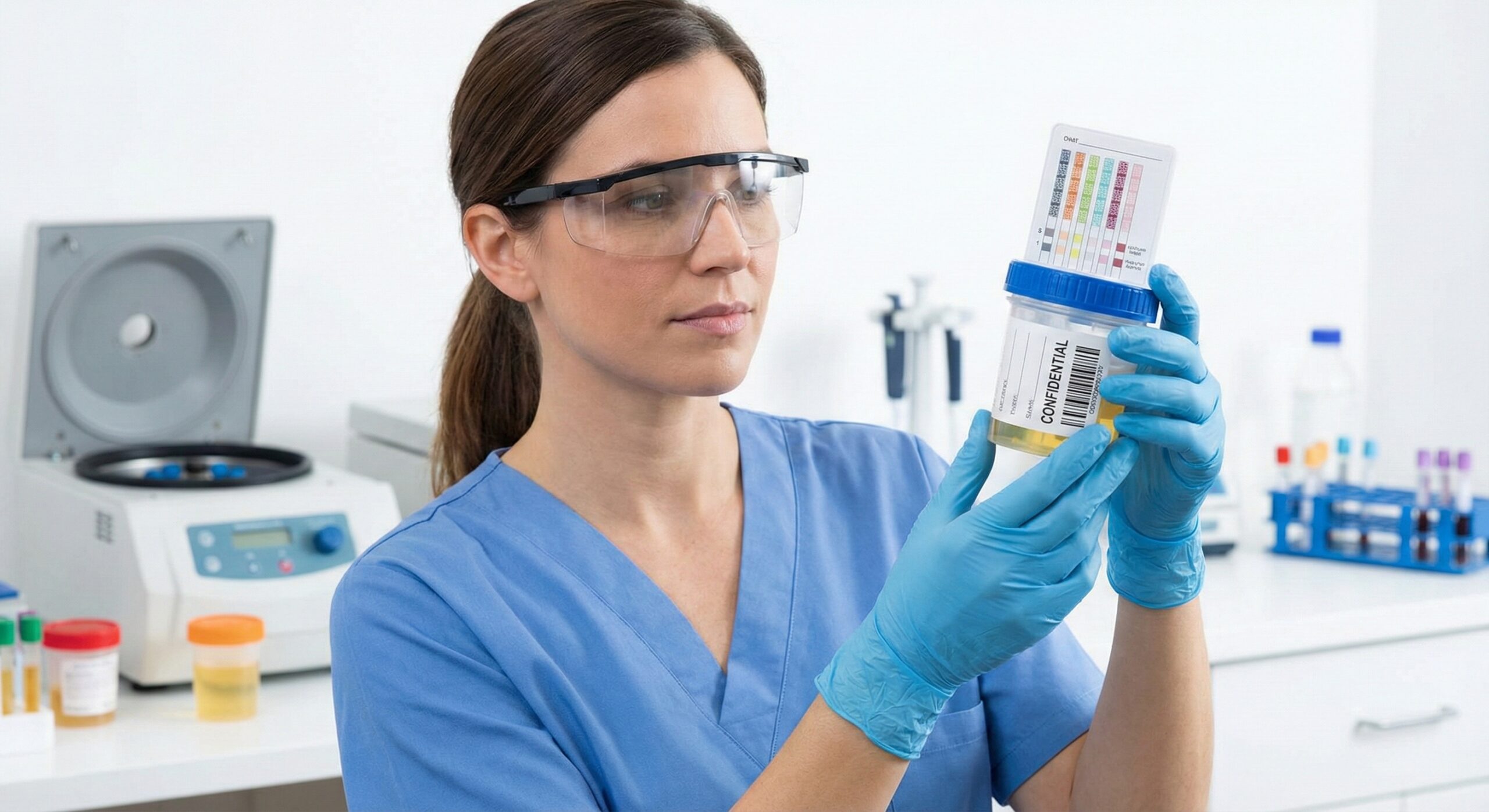
A specimen validity check is a set of lab tests that answer one big question:
“Does this urine specimen look like real human urine?”
When a person takes a drug test, the goal is a result the care team can trust. In rehab settings, that trust supports treatment, recovery, and safety. Validity checks help a laboratory spot problems like urine that is too watered down, swapped, or changed with an adulterant.
These checks are common in urine drug testing and workplace drug testing because urine samples can be tampered with. Validity checks help protect the whole process—especially when results may affect employment, a care plan, or program rules.
Why Validity Checks Matter in Rehab Drug Testing
In a rehab program, testing is not just about “catching” someone. It is about:
- Supporting sobriety
- Lowering risk during substance abuse recovery
- Building trust and accountability
- Protecting patient safety
A urine test can guide clinical decisions. But if the specimen is not valid, the result may be confusing or unfair. Specimen validity checks help reduce mistakes and help staff respond with the right next step—like re-collection, supportive counseling, or a review of medical factors.
At Lynk Diagnostics, we focus on rehab facilities. Our goal is clear, usable information that supports care teams, not guesswork.
What Labs Measure During Urine Specimen Validity Checks
Most validity testing looks at basic urine features that should fall in normal human ranges.
Creatinine and Urine Concentration
Creatinine is a natural waste product your body makes. It helps show whether a sample is too diluted.
- If creatinine is very low, the urine may be overly watered down.
- If it is extremely low with other signs, the urine may not be consistent with a normal human specimen.
This matters because low concentration can make a drug screen miss a metabolite (the “breakdown” form of a drug). That can hide drug use or make results hard to interpret.
Specific Gravity
Specific gravity is another way to measure concentration. It checks how “dense” the urine is compared to water.
- If specific gravity is very low, it can match a dilute result.
- If values are far outside normal ranges, it may suggest substitution.
pH
pH shows how acidic or basic a urine specimen is.
- Normal urine is usually in a moderate range.
- Very high or very low pH can signal the urine was changed or is not stable.
Some adulterants can push pH far outside typical human ranges.
Oxidants and Adulterant Testing
An adulterant is something added to a urine specimen to disrupt testing. Many labs test for oxidizing agents because they can damage drug markers.
Examples often discussed in toxicology include:
- Bleach
- Hydrogen peroxide
- Glutaraldehyde
- Pyridinium chlorochromate
These substances can interfere with the chemistry used in a drug test and can change how a specimen behaves in the lab. That’s why many testing standards include oxidant checks as part of specimen validity.
Common Reasons a Specimen Fails Validity Checks
When a specimen fails, it does not always mean someone did something on purpose. But it does mean the sample may not give a trustworthy drug result.
Dilute Specimens
A dilute specimen is urine with low concentration.
Common reasons include:
- Drinking a lot of water (sometimes for health, sometimes to try to “flush”)
- Certain medical conditions or medications (in some cases)
- Anxiety before a test
Dilution can lower a drug metabolite level below a cutoff. That can lead to a negative drug screen even when drug use happened.
Substituted Specimens
A substituted specimen is urine that does not match normal human urine patterns. This can happen if urine is replaced with something else.
Adulterated Specimens
Adulteration means something was added to the urine to interfere with testing.
Some adulterants are strong oxidizers that can:
- Break down a drug metabolite
- Disrupt testing reactions
- Create abnormal readings in oxidant tests
That’s why validity checks look for common chemicals like bleach, hydrogen peroxide, glutaraldehyde, and pyridinium chlorochromate.
What Validity Results Can Mean for a Rehab Program
When validity is abnormal, the best response is clear and consistent. In rehab care, that means balancing accountability with support.
If the Drug Screen Is Negative but Validity Is Abnormal
A negative drug screen is not very helpful if the urine is not valid. The program may need:
- A new collection
- A clinical review
- A conversation about stress, fear, or relapse risk
This supports honest reporting and helps prevent false confidence from a result that should not be trusted.
If Validity Suggests Tampering
If the lab finds signs of adulteration or substitution, it can raise safety concerns. Rehab teams may respond with:
- Extra peer support and check-ins
- A higher level of care review
- More frequent testing for a period of time
- A treatment plan update focused on behavior and coping skills
The goal is to reduce risk and support recovery—not shame.
How Lynk Diagnostics Helps Rehab Facilities
Lynk Diagnostics supports rehab facilities by pairing toxicology testing with strong specimen validity checks and clear reporting.
Here’s what that support can look like:
- Clear lab reports that explain validity findings in simple terms
- Help staff understand what “dilute,” “invalid,” or “adulterated” can mean
- Consistent processes that fit program policies
- Reliable turnaround so teams can act quickly and safely
When test results are dependable, programs can make better decisions for patient care, safety planning, and long-term recovery.
Best Practices That Reduce Invalid Specimens
You can lower invalid specimens without being harsh. The key is consistency.
Use a Calm, Clear Collection Process
- Explain the steps in simple words
- Protect privacy while following program policy
- Use trained staff and consistent rules
A calm process can reduce fear-based behavior and lower the chance someone tries to alter a specimen.
Set Smart Hydration Guidance
It is okay for patients to drink water. But programs can avoid extreme dilution by:
- Asking people not to over-hydrate right before testing
- Scheduling collections at consistent times when possible
- Using validity checks to guide retest decisions
Document and Follow Policy
When results impact employment programs or discharge decisions, consistency matters even more. Clear policies protect patients and staff.
Validity Checks, Disease, and Real-Life Health Factors
Sometimes health issues can affect urine values.
For example, some conditions (including certain kidney-related disease patterns) may change creatinine and concentration. That’s one reason validity results should be reviewed with care, especially when results don’t match the person’s story or clinical picture.
A good testing partner helps teams interpret results responsibly and encourages follow-up when needed.
FAQs
What is a specimen validity check in a urine drug test?
It is a set of lab measurements that helps confirm a urine specimen is consistent with normal human urine. It can detect dilution, substitution, and adulterants that may affect a drug test.
What does “dilute” mean in urine drug testing?
Dilute means the urine has low concentration. Labs often see this through low creatinine and related measures. Dilution can make a drug metabolite harder to detect on a drug screen.
What is an adulterant, and why does it matter?
An adulterant is something added to a urine specimen to interfere with testing. Oxidizers like bleach or hydrogen peroxide can disrupt results and reduce trust in the test.
Can medical issues cause abnormal validity results?
Sometimes. Certain health factors or disease patterns can affect urine concentration. That’s why programs should use validity results along with clinical evaluation and good documentation.
How do specimen validity checks help rehab programs?
They help rehab teams use drug testing results with more confidence. When results are reliable, teams can support recovery, reduce risk, and make safer choices for care planning and accountability.
Sources
- Mandatory Guidelines for Federal Workplace Drug Testing Programs (HHS, Federal Register) Federal Register
- Workplace Drug Testing Resources (SAMHSA) SAMHSA
- 49 CFR § 40.87 — Validity tests required for primary urine specimens (eCFR) ecfr.gov
- Urine Collection Site Manual (SAMHSA, 2024 PDF) SAMHSA