What Is N Dimethylpentylone?
N Dimethylpentylone is a powerful synthetic stimulant. It is part of a group of drugs called substituted cathinones. These drugs are sometimes sold as “bath salts” or fake “molly” and may be mixed with other drugs.
Cathinone is a natural stimulant found in the khat plant. A substituted cathinone is a lab-made (synthetic) version that has been changed by chemists. N Dimethylpentylone is one of these lab-made cathinones, like pentylone, dipentylone, and eutylone.
Because N Dimethylpentylone is synthetic and part of a rapidly changing drug market, it can be hard to test for and very risky to use.
Does N Dimethylpentylone Show Up on a Drug Test?
The short answer is:
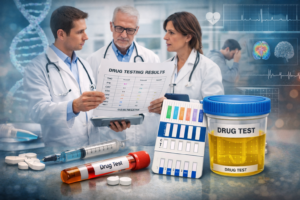
Yes, N Dimethylpentylone can show up on a drug test, but usually only if the test is designed to look for it or its class of drugs.
Most basic work or school tests focus on common drugs like:
- Amphetamine
- Methamphetamine
- Opioids
- Cocaine
- THC
These standard panels may not list N Dimethylpentylone by name. However, more advanced tests used in forensic toxicology, hospitals, and rehab facilities often look for cathinones as a group or for specific new stimulants.
Lynk Diagnostics, a drug testing center dedicated to rehab facilities, can use specialized tools to check for substituted cathinone use when it is important for treatment and safety.
Standard Drug Tests vs Advanced Lab Tests
Basic screening tests
A basic drug test (like an office or workplace urine cup) usually uses immunoassay technology. These quick tests are often set up to find:
- Amphetamine-like drugs such as dextroamphetamine, phentermine, benzphetamine, and lisdexamfetamine
- Street drugs like methamphetamine and other common stimulants
Because N Dimethylpentylone is newer and synthetic, a regular amphetamine screen might not always pick it up. Sometimes it can cross-react, but that is not reliable.
Advanced confirmation tests
In forensic science and medical settings, labs use stronger tools to confirm what is in a sample. These tests can detect N Dimethylpentylone and similar drugs more clearly.
Two important tools are:
- Chromatography – a method that separates different chemicals in a sample
- Mass spectrometry – a method that measures tiny pieces of a drug by their “weight”
Together, methods like chromatography and mass spectrometry are used in forensic toxicology and clinical toxicology to accurately identify N Dimethylpentylone and other substituted cathinones, such as pentylone, dipentylone, and eutylone.
Lynk Diagnostics uses these advanced methods to help rehab facilities understand exactly which drugs are present.
How N Dimethylpentylone Acts in the Body
Stimulant effects on brain and body
N Dimethylpentylone acts as a stimulant, like amphetamine-type drugs. In simple pharmacology terms, it pushes brain chemicals like dopamine and norepinephrine higher.
People might feel:
- More energy
- Less need for sleep
- Faster heart rate
- Anxiety or panic
- Confusion or agitation
These effects are similar to drugs such as:
- Amphetamine
- Methamphetamine
- Synthetic “molly” powders
- Some other stimulants in the substituted cathinone family
Because of these strong effects, N Dimethylpentylone can lead to addiction, mental health problems, and medical emergencies.
Why Testing for N Dimethylpentylone Is Hard
A rapidly changing synthetic drug market
The drug market for synthetic stimulants is rapidly changing. Chemists keep making new synthetic versions to get around laws and standard tests. The Drug Enforcement Administration (DEA) and other agencies work to track and control these substances, but new ones keep appearing.
Other examples of related or look-alike stimulant drugs include:
- Substituted cathinones like pentylone, dipentylone, and eutylone
- Amphetamine-type stimulants like etilamfetamine, fenethylline, benzphetamine, and selegiline
- Prescription medications such as bupropion, phentermine, and desipramine
Some of these medications can sometimes affect how a drug test looks, especially if only a simple screen is used.
Because the list of new stimulants grows quickly, rehab programs need lab partners, like Lynk Diagnostics, that stay up to date with new testing methods.
What Types of Drug Tests May Detect N Dimethylpentylone?
Urine drug tests
Urine is the most common sample type for checking recent drug use in rehab settings. With the right lab methods, urine tests can detect:
- N Dimethylpentylone
- Other substituted cathinones
- Common stimulants like amphetamine and methamphetamine
A simple cup test in an office might not name N Dimethylpentylone, but a lab-based urine test with chromatography and mass spectrometry can often find it.
Blood and other samples
In some cases, labs also use:
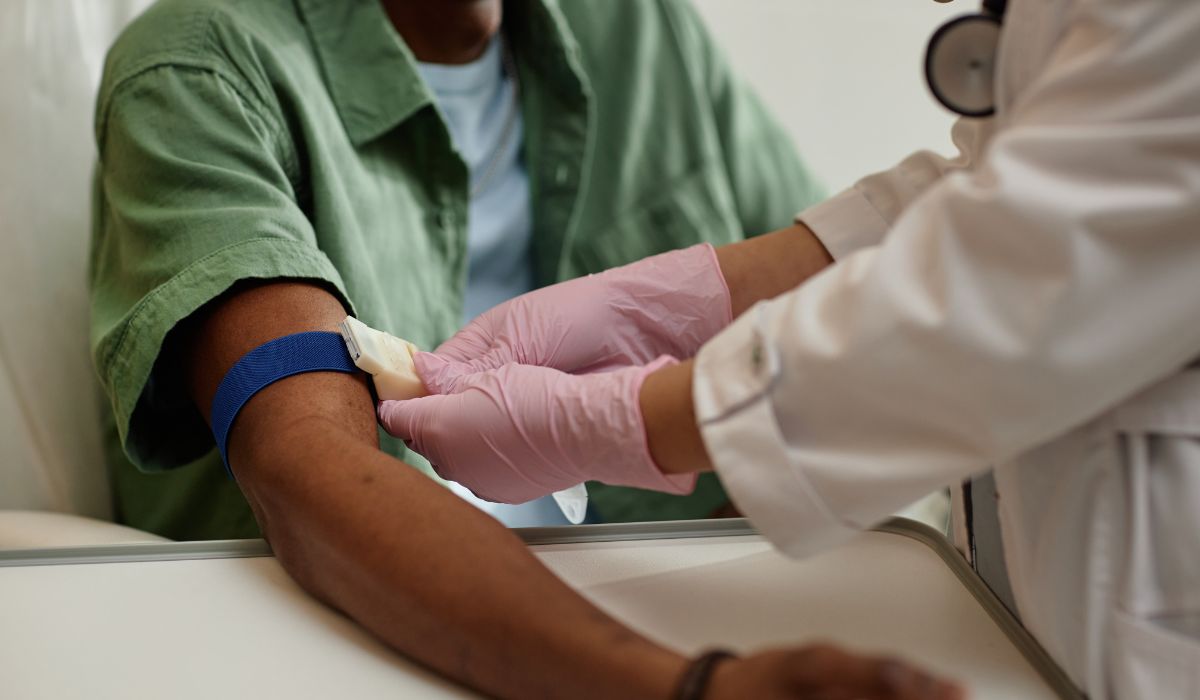
- Blood – helpful for seeing very recent use or medical emergencies
- Oral fluid (saliva) – sometimes used for quick checks
- Hair – sometimes used to look at longer-term drug use patterns
These types of tests are usually ordered when it is important to know exactly what drugs were taken, such as in forensic science, serious medical cases, or during detailed rehab evaluations.
Other Drugs That May Relate to Testing
Many other stimulant and related medication names can show up in toxicology reports or discussions, including:
- ADHD or stimulant-type medications: lisdexamfetamine, dextroamphetamine
- Weight-loss or stimulant meds: phentermine, benzphetamine
- Antidepressants that affect norepinephrine: bupropion, desipramine
- Older or less common stimulants: etilamfetamine, fenethylline
- Parkinson’s and other conditions: selegiline
Some cold medicines and decongestants that contain pseudoephedrine may also interact with certain screens.
These related drugs matter because:
- They may cause positive results on basic drug tests (for amphetamine or similar drugs)
- They may be used along with N Dimethylpentylone, raising health and addiction risks
- They may need to be ruled out in toxicology work
A skilled lab and medical team must look at the full picture, including prescriptions, mental health, and substance use history.
N Dimethylpentylone, Addiction, and Mental Health
How this drug can lead to addiction
Like many strong stimulants, N Dimethylpentylone can be addictive. People may chase the rush, even as their life and health get worse.
Possible problems include:
- Intense anxiety and panic
- Trouble sleeping
- Paranoia or psychosis
- Heart and blood pressure issues
- Serious crashes in mood afterward
Because people sometimes think they are taking “molly” or something “safe,” they may not realize how risky these drugs are.
Role of Lynk Diagnostics in rehab treatment
For people in treatment, accurate testing is key. Lynk Diagnostics partners with rehab facilities to:
- Use advanced forensic toxicology tools like chromatography and mass spectrometry
- Help identify N Dimethylpentylone and related substituted cathinones
- Support treatment teams as they build safe, honest care plans
This supports good pharmacology decisions (like what medication is safe to use) and helps clinicians track progress and prevent relapse.
Staying Safe and Informed
If you are worried about N Dimethylpentylone or other bath salts, remember:
- The synthetic stimulant market is rapidly changing
- Street drugs can be mixed with many unknown chemicals
- Test results should always be read by trained health or legal professionals
- Honest communication with your treatment team helps them choose the right care
Working with a dedicated lab like Lynk Diagnostics gives rehab programs better information, which leads to safer and more effective treatment.
FAQs About N Dimethylpentylone and Drug Tests
Does N Dimethylpentylone show up on a drug test?
N Dimethylpentylone can show up on a drug test if the lab is using advanced methods and is looking for cathinones or this specific substituted cathinone. Basic tests that only look for amphetamine or methamphetamine may miss it. Labs that use chromatography and mass spectrometry, like those working with Lynk Diagnostics, have a better chance of detecting it.
Will N Dimethylpentylone trigger an amphetamine or methamphetamine positive?
It might, but not always. Some synthetic stimulants can weakly cross-react with an amphetamine or methamphetamine screen. However, this is not reliable. That is why a positive screen is often followed by a lab confirmation test using advanced toxicology methods, so the exact drug can be identified.
How long does N Dimethylpentylone stay in your system?
How long N Dimethylpentylone stays in your body depends on things like dose, how often it is used, and a person’s health and metabolism. In many people, urine tests may detect use for a few days, but hair or other tests could show longer patterns of stimulant use. Only a lab and medical team can interpret exact times for a specific patient.
Can my medications affect N Dimethylpentylone drug test results?
Some medication can affect basic drug screens, especially those for stimulants. Examples include bupropion, phentermine, desipramine, and other drugs used for depression, weight loss, or attention problems. Medicines like pseudoephedrine for colds can also cause confusion. That is why it is important to tell your rehab or medical team about all medicines you take, so the lab and doctors can read your drug test results correctly.
How can Lynk Diagnostics help rehab facilities with N Dimethylpentylone?
Lynk Diagnostics is a drug testing center dedicated to rehab facilities. The lab uses tools from forensic science and forensic toxicology, such as chromatography and mass spectrometry, to detect N Dimethylpentylone, other substituted cathinones, and a wide range of stimulants and drugs. This helps treatment teams understand what substances are present, track addiction recovery, and choose the safest therapies and medications for each patient.
Sources