The Role of Drug Testing Laboratories in Supporting Research and Quality Improvement Projects
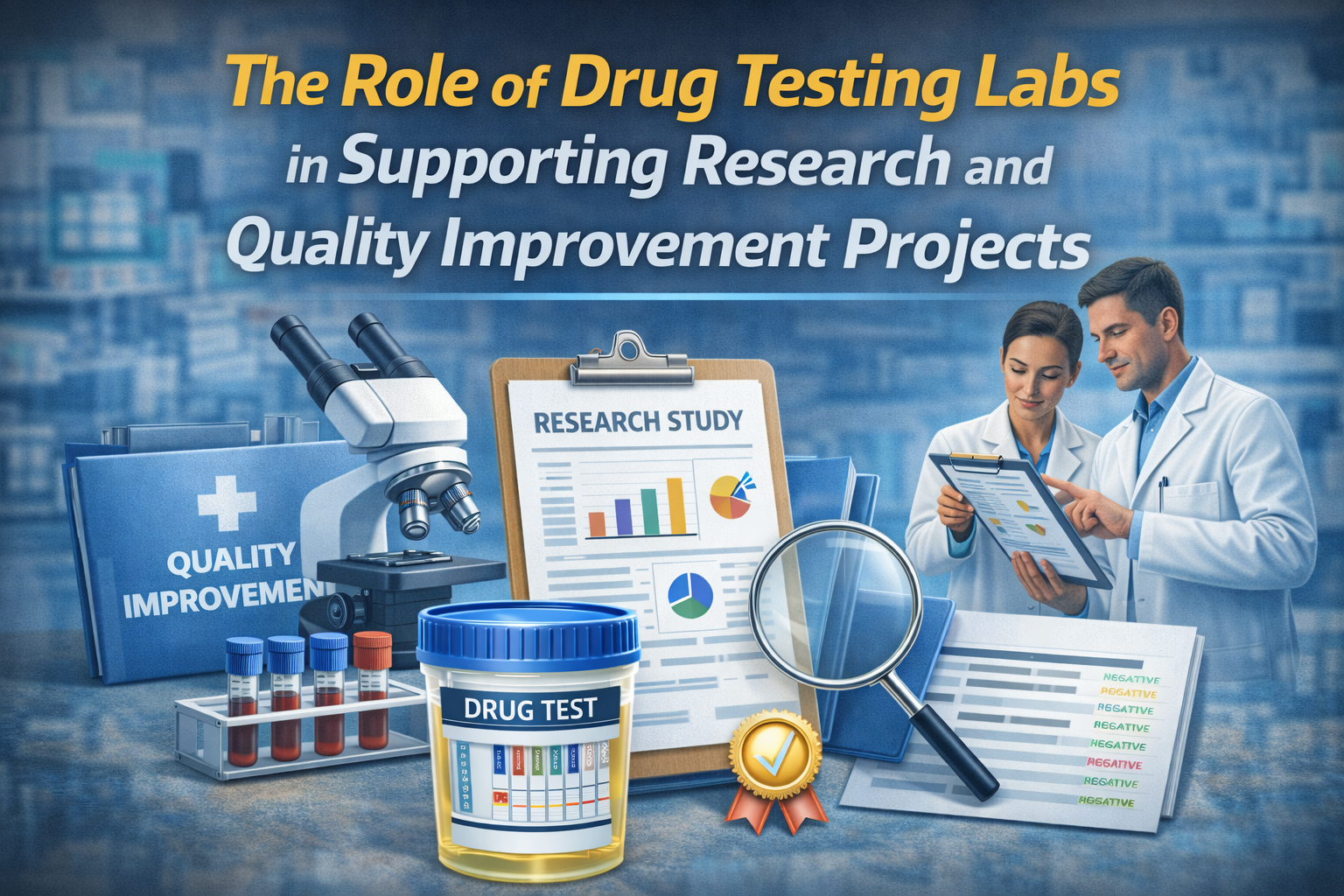
Drug testing laboratories play a crucial role in enhancing the quality of research and clinical practices, particularly in the field of addiction treatment. These labs provide essential toxicology testing services that support addiction recovery and relapse prevention, ensuring that clinicians and treatment centers have access to accurate and timely information. In this article, we will explore how drug testing labs contribute to research and quality improvement projects, the methodologies they employ, and the impact of their services on clinical outcomes. By understanding the mechanisms behind drug testing, stakeholders can better appreciate its significance in supporting addiction treatment and improving patient care.
The following sections will delve into the specific ways drug testing laboratories enhance addiction recovery, the key methodologies used in clinical research, their contributions to quality improvement frameworks, and the regulatory standards that govern their operations. Additionally, we will examine how these labs support research collaboration and data analysis, providing a comprehensive overview of their vital role in the healthcare ecosystem.
How Do Drug Testing Laboratories Enhance Addiction Recovery and Relapse Prevention?
Drug testing laboratories significantly enhance addiction recovery and relapse prevention by providing accurate and timely toxicology testing services. These services are essential for monitoring patients’ substance use, ensuring that treatment plans are effective and tailored to individual needs. By identifying the presence of drugs in a patient’s system, clinicians can make informed decisions regarding treatment adjustments, ultimately improving patient outcomes.
What Toxicology Testing Services Support Addiction Treatment Centers?
Toxicology testing services offered by drug testing laboratories include a variety of tests designed to detect specific substances. Common tests include urine drug screens, hair follicle tests, and blood tests, each providing unique insights into a patient’s substance use history. These tests help treatment centers monitor compliance with recovery programs and identify potential relapses early, allowing for timely interventions.
- Urine Drug Screens: These are the most commonly used tests, providing quick results for a wide range of substances.
- Hair Follicle Tests: These tests can detect drug use over a longer period, offering insights into chronic substance use.
- Blood Tests: While less common, blood tests can provide immediate information about a patient’s current substance levels.
By utilizing these testing services, addiction treatment centers can enhance their monitoring capabilities and support patients in their recovery journeys.
How Do Drug Tests Aid Clinicians in Monitoring Patient Progress?
Drug tests are invaluable tools for clinicians in monitoring patient progress throughout the recovery process. By regularly conducting toxicology tests, healthcare providers can assess whether patients are adhering to their treatment plans and identify any potential relapses. This ongoing monitoring allows for timely adjustments to treatment strategies, ensuring that patients receive the support they need to maintain their recovery.
Clinicians can also use drug test results to engage patients in discussions about their substance use, fostering a collaborative approach to treatment. For example, if a test indicates recent drug use, clinicians can address the issue directly with the patient, exploring underlying factors and adjusting the treatment plan accordingly. This proactive approach not only enhances patient accountability but also strengthens the therapeutic relationship between clinicians and patients.
What Are the Key Drug Testing Methodologies and Technologies Used in Clinical Research?
The methodologies and technologies employed by drug testing laboratories are critical to ensuring the accuracy and reliability of test results. Various testing methods are utilized, each with its strengths and limitations, depending on the specific requirements of clinical research.
Which Specimen Types and Detection Methods Are Most Reliable?
Different specimen types and detection methods are used in drug testing, each offering varying levels of reliability. Common specimen types include urine, blood, saliva, and hair, with urine being the most frequently used due to its ease of collection and rapid results.
| Specimen Type | Detection Method | Reliability | Typical Use |
|---|---|---|---|
| Urine | Immunoassay | High | Routine screening |
| Blood | Gas chromatography-mass spectrometry (GC-MS) | Very High | Confirmatory testing |
| Hair | Mass spectrometry | High | Long-term use detection |
This table illustrates the reliability of various specimen types and detection methods, highlighting their applications in clinical settings. Understanding these methodologies helps clinicians choose the most appropriate testing approach for their patients.
How Do Rapid Turnaround Times Improve Research and Treatment Outcomes?
Rapid turnaround times for drug testing results are essential in both research and clinical settings. Quick access to test results allows clinicians to make timely decisions regarding patient care, which can significantly impact treatment outcomes. For instance, when a patient is suspected of relapse, immediate testing can confirm or rule out substance use, enabling clinicians to adjust treatment plans without delay.
Moreover, in clinical research, rapid testing can facilitate the collection of data needed for studies, ensuring that research timelines are met and that findings are relevant to current practices. This efficiency ultimately contributes to improved patient care and more effective treatment strategies.
How Do Drug Testing Labs Contribute to Quality Improvement Frameworks in Clinical Settings?
Drug testing laboratories play a vital role in quality improvement frameworks within clinical settings. By providing accurate and reliable testing services, these labs help ensure that treatment protocols are based on sound data, leading to better patient outcomes.
What Laboratory Quality Control Processes Ensure Toxicology Testing Accuracy?
Quality control processes are essential for maintaining the accuracy and reliability of toxicology testing. Laboratories implement rigorous quality assurance protocols, including regular calibration of equipment, participation in proficiency testing, and adherence to standardized testing procedures. These measures help ensure that test results are consistent and trustworthy.
- Calibration: Regular calibration of testing equipment ensures that results are accurate and reliable.
- Proficiency Testing: Participation in external proficiency testing programs allows labs to benchmark their performance against industry standards.
- Standard Operating Procedures: Adhering to established protocols ensures consistency in testing methods and results.
By implementing these quality control processes, drug testing laboratories can enhance the accuracy of their testing services, ultimately supporting better clinical decision-making.
How Are Toxicology Data Integrated into Quality Improvement Projects?
Integrating toxicology data into quality improvement projects is crucial for enhancing patient care in clinical settings. By analyzing testing data, healthcare providers can identify trends in substance use, assess the effectiveness of treatment protocols, and make data-driven decisions to improve patient outcomes.
For example, if data indicates a high rate of relapse among patients undergoing a specific treatment program, clinicians can investigate the underlying causes and adjust the program accordingly. This continuous feedback loop fosters a culture of quality improvement, ensuring that treatment approaches evolve based on real-world evidence.
In What Ways Do Drug Testing Laboratories Support Research Collaboration and Data Analysis?
Drug testing laboratories are essential partners in research collaboration, providing valuable data and expertise that enhance the quality of clinical studies. By working closely with researchers, these labs can help ensure that studies are designed effectively and that data is collected accurately.
What Case Studies Demonstrate Lab Impact on Clinical Drug Research?
Numerous case studies illustrate the impact of drug testing laboratories on clinical drug research. For instance, a study examining the effectiveness of a new addiction treatment protocol may rely on data from drug testing labs to assess patient compliance and outcomes. By providing accurate testing results, these labs contribute to the overall validity of the research findings.
- Case Study 1: A clinical trial on a new medication for opioid addiction utilized drug testing labs to monitor patient adherence, resulting in improved treatment outcomes.
- Case Study 2: Research on the effectiveness of behavioral therapies incorporated toxicology data to assess the impact of substance use on therapy success rates.
These examples highlight the critical role that drug testing laboratories play in supporting research initiatives and enhancing the quality of clinical studies.
How Do Labs Provide Expert Interpretation to Enhance Research Quality?
In addition to providing testing services, drug testing laboratories offer expert interpretation of test results, which is vital for enhancing research quality. Laboratory professionals can help researchers understand the implications of testing data, guiding them in making informed decisions based on the results.
For example, if a lab identifies unexpected patterns in drug use among study participants, their expertise can help researchers explore potential explanations and adjust their study designs accordingly. This collaborative approach ensures that research findings are robust and meaningful, ultimately contributing to advancements in addiction treatment.
What Are the Regulatory Compliance Standards and Future Trends Affecting Drug Testing Labs?
Regulatory compliance is a critical aspect of drug testing laboratories, ensuring that they operate within established guidelines and maintain high standards of quality. Understanding these regulations is essential for stakeholders in the healthcare industry.
How Do Labs Meet Clinical Laboratory Improvement Amendments and Other Standards?
Drug testing laboratories must comply with the Clinical Laboratory Improvement Amendments (CLIA) and other relevant regulations to ensure the accuracy and reliability of their testing services. Compliance involves adhering to strict quality control measures, maintaining proper documentation, and participating in regular inspections.
- CLIA Compliance: Labs must meet specific standards for testing accuracy, reliability, and timeliness.
- Documentation: Maintaining thorough records of testing procedures and results is essential for compliance and quality assurance.
- Inspections: Regular inspections by regulatory bodies ensure that labs adhere to established standards.
By meeting these compliance requirements, drug testing laboratories can provide high-quality testing services that support clinical decision-making and research initiatives.
What Advances in Lab Automation and Testing Technologies Are Emerging?
Emerging technologies and automation in drug testing laboratories are transforming the landscape of toxicology testing. Innovations such as automated sample processing and advanced analytical techniques are enhancing the efficiency and accuracy of testing services.
- Automated Sample Processing: Automation reduces the potential for human error and increases throughput, allowing labs to handle larger volumes of tests efficiently.
- Advanced Analytical Techniques: Techniques such as liquid chromatography-tandem mass spectrometry (LC-MS/MS) provide highly sensitive and specific detection of substances, improving the reliability of test results.
- Data Integration Technologies: New software solutions enable seamless integration of testing data into electronic health records, facilitating better data analysis and decision-making.
These advancements are paving the way for more efficient and accurate drug testing processes, ultimately benefiting both researchers and clinicians in their efforts to improve patient care.
Frequently Asked Questions
1) How can labs support research without disrupting patient care?
By using clear protocols, standardized reporting, and defined data requests that don’t delay clinical results.
2) What type of data is usually useful for research?
De-identified result trends, turnaround times, rejection reasons, and aggregate patterns across time.
3) How do we protect confidentiality in research work?
Use de-identification, strict access controls, and clear rules about data sharing and storage.\
4) What should be agreed on before sharing data?
Purpose, scope, definitions, timelines, data format, and who owns the data and the final outputs.
5) How do we ensure research findings are reliable?
Use consistent methods, documented definitions, confirmatory testing rules, and quality checks before analysis.
Resources
- HHS Office for Human Research Protections (OHRP): https://www.hhs.gov/ohrp/
- FDA Human Subject Protection: https://www.fda.gov/science-research/clinical-trials-and-human-subject-protection
- NIH Data Sharing and Management: https://sharing.nih.gov/
- HHS HIPAA Privacy Rule (research disclosures): https://www.hhs.gov/hipaa/for-professionals/privacy/special-topics/research/index.html