How Drug Testing Data Supports Risk Stratification in Rehab Treatment Planning
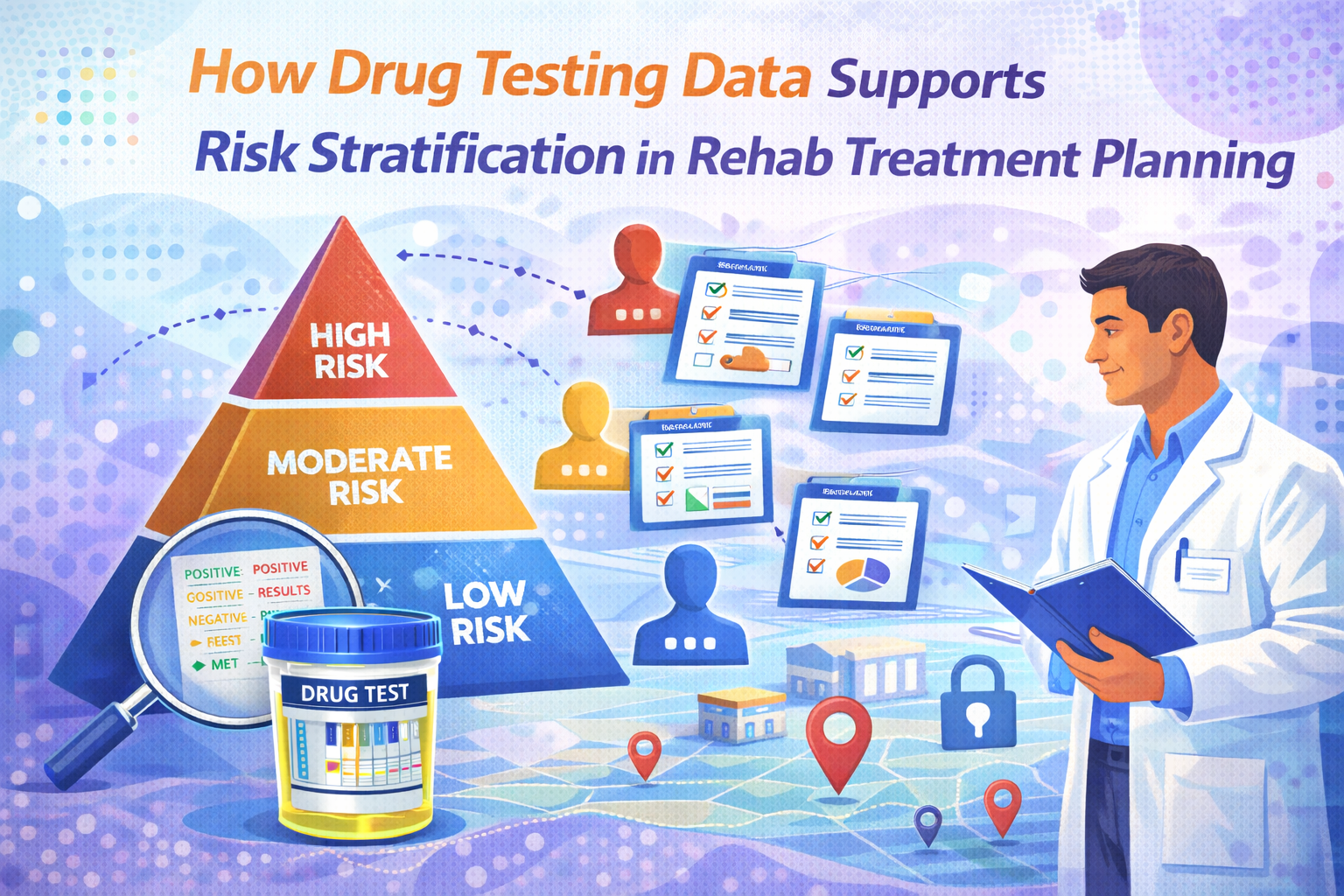
Drug testing plays a big role in addiction treatment. It does more than check if someone is using drugs. Drug testing data helps treatment teams make smart and safe decisions. It helps with something called risk stratification in rehab treatment planning.
Risk stratification means placing patients into different risk levels. Some people may need more care. Others may need less. Drug testing data gives helpful facts to guide these choices.
At Lynk Diagnostics, we support rehab facilities with accurate, reliable, and timely drug testing services. Our goal is to help treatment providers use drug testing data to improve patient care, safety, and outcomes.
What Is Risk Stratification in Rehab?
Risk stratification is a simple idea. It means sorting patients based on their level of risk.
In addiction treatment, risk can include:
- Risk of relapse
- Risk of overdose
- Risk of withdrawal complications
- Risk of non-compliance
- Risk of mixing substances
Not all patients are the same. Some may have mild substance use disorder. Others may have severe opioid use disorder, alcohol dependence, or polysubstance abuse.
By using clinical data, including toxicology reports, treatment providers can create a treatment plan that fits each person’s needs.
Why Drug Testing Data Matters in Treatment Planning
Drug testing data gives real information about substance use. It removes guesswork.
Patients may forget what they used. Some may feel embarrassed. Others may not know what was in the drug they took. Lab-confirmed drug testing shows:
- What substances are present
- How often substances are used
- Whether medications are being taken as prescribed
- If new substances appear during treatment
This information supports evidence-based treatment planning.
Types of Drug Testing Used in Rehab
Urine Drug Testing
Urine drug testing is the most common method in rehab. It can detect:
- Opioids
- Benzodiazepines
- Cocaine
- Methamphetamine
- Marijuana (THC)
- Alcohol metabolites
Urine testing can include immunoassay screening and confirmatory testing using advanced methods like mass spectrometry.
Oral Fluid Testing
Oral fluid testing checks saliva. It is useful for recent drug use and is harder to tamper with.
Hair Testing
Hair testing shows long-term substance use patterns. It can detect drug use from months before.
Blood Testing
Blood testing is less common in routine rehab but may be used in medical settings or emergency cases.
Each method provides different data. When combined, they help improve risk stratification.
How Drug Testing Data Supports Risk Stratification
Identifying High-Risk Patients
Drug testing data can show patterns. For example:
- Repeated positive tests for opioids
- Use of multiple substances
- Presence of fentanyl
- Mixing benzodiazepines with alcohol
These findings increase overdose risk. Patients with these results may need:
- Higher level of care
- Medical detox
- Medication-assisted treatment (MAT)
- Closer supervision
Risk stratification allows providers to act early and prevent harm.
Monitoring Compliance With Treatment
Drug testing also checks if patients are taking medications like:
- Buprenorphine
- Methadone
- Naltrexone
If prescribed medications are not found in test results, this may show non-compliance. That information helps the treatment team adjust the plan.
Detecting Relapse Early
Early relapse detection is key. A single positive test does not mean failure. It means the care plan may need changes.
Drug testing data helps providers:
- Increase counseling sessions
- Add group therapy
- Adjust medication
- Provide relapse prevention support
Early action improves outcomes.
Using Data Trends Over Time
One drug test gives a snapshot. But repeated testing shows patterns.
Data trends can show:
- Decreasing drug levels over time
- Sudden spikes in substance use
- Introduction of new drugs
- Attempts at tampering
These trends support better clinical decision-making.
At Lynk Diagnostics, we provide detailed lab reports that help treatment centers track changes over time. This supports both safety and quality improvement.
Improving Patient Safety With Drug Testing Data
Safety is the top goal in addiction treatment.
Drug testing data helps prevent:
- Overdose
- Dangerous drug interactions
- Withdrawal complications
- Diversion of medication
For example, mixing opioids and benzodiazepines increases breathing risks. Drug testing data can alert providers to this danger.
Risk stratification helps determine who needs:
- Medical monitoring
- Inpatient care
- Outpatient support
- Case management
This protects patients and improves long-term recovery.
Supporting Individualized Treatment Plans
No two patients are the same. Drug testing data supports personalized care.
A treatment plan may include:
- Cognitive behavioral therapy (CBT)
- Group therapy
- Family counseling
- MAT
- Trauma-informed care
If drug testing shows stimulant use, treatment may focus more on managing cravings. If alcohol use is detected, relapse prevention strategies may change.
Risk stratification ensures that treatment matches the patient’s real needs.
Data Integrity and Accuracy in Drug Testing
Accurate lab results are critical. Poor testing can lead to wrong decisions.
High-quality drug testing services include:
- Confirmatory testing
- Chain of custody procedures
- Medical review officers (MROs)
- Clear documentation
At Lynk Diagnostics, we follow strict laboratory standards to ensure accuracy and reliability. Reliable data builds trust between the lab and rehab facilities.
Compliance and Regulatory Considerations
Rehab facilities must follow rules from organizations such as:
- SAMHSA
- State health departments
- Accreditation bodies
Drug testing data helps show compliance with:
- Treatment protocols
- Documentation standards
- Quality assurance programs
Risk stratification supported by testing data also helps during audits and inspections.
How Drug Testing Data Supports Quality Improvement
Drug testing is not just about the patient. It also helps the facility improve care.
Facilities can review testing data to see:
- Common relapse trends
- Substance trends in the community
- Effectiveness of treatment programs
- Gaps in care
This supports continuous quality improvement.
For example, if fentanyl positives increase, the program may add more overdose education and naloxone training.
Ethical Use of Drug Testing Data
Drug testing must be used in a supportive way. It should not shame patients.
Best practices include:
- Clear testing policies
- Patient education
- Informed consent
- Respectful communication
Drug testing data should guide care, not punish patients. When used ethically, it supports recovery.
Role of Lynk Diagnostics in Risk Stratification
Lynk Diagnostics works with rehab facilities to provide:
- Accurate toxicology testing
- Clear and timely lab reports
- Data analysis support
- Reliable turnaround times
Our drug testing services are built for treatment providers. We understand how important drug testing data is in treatment planning and risk stratification.
By delivering reliable results, we help facilities:
- Improve patient safety
- Strengthen clinical decisions
- Support long-term recovery
Real-World Example of Risk Stratification
Imagine two patients entering rehab.
Patient A tests positive for one substance and has no history of overdose.
Patient B tests positive for opioids, benzodiazepines, and alcohol. They also have high fentanyl levels.
Drug testing data shows Patient B has a higher risk of overdose. They may need:
- Inpatient detox
- 24/7 monitoring
- MAT
- Intensive therapy
Patient A may safely begin outpatient care.
This is how drug testing data supports smart, safe treatment decisions.
Benefits of Using Drug Testing Data in Rehab
Using drug testing data in risk stratification offers many benefits:
- Better patient safety
- Early relapse detection
- Personalized treatment plans
- Improved compliance
- Stronger documentation
- Data-driven decision-making
It supports a structured and evidence-based approach to addiction treatment.
Future of Drug Testing and Risk Stratification
Technology is improving drug testing. Labs now offer:
- Expanded drug panels
- More sensitive detection
- Digital reporting systems
- Data analytics tools
In the future, drug testing data may combine with electronic health records (EHRs) to create even better risk models.
Facilities that use strong data systems today are preparing for safer and more effective care tomorrow.
FAQs
How does drug testing data help reduce relapse risk?
Drug testing data shows early signs of substance use. When relapse is detected early, providers can adjust treatment quickly. This lowers long-term relapse risk.
What is risk stratification in addiction treatment?
Risk stratification means grouping patients based on their level of risk. It helps determine who needs more intensive care and who may need less supervision.
How often should rehab patients be drug tested?
Testing frequency depends on risk level. High-risk patients may be tested more often. Lower-risk patients may have random testing. Drug testing schedules should follow clinical guidelines.
Can drug testing improve patient safety?
Yes. Drug testing detects dangerous substance combinations and helps prevent overdose, medication misuse, and withdrawal complications.
Why is accurate lab testing important in rehab?
Accurate testing ensures correct treatment decisions. False results can harm patients. Reliable labs like Lynk Diagnostics support safe and evidence-based care.
Resources
- Substance Abuse and Mental Health Services Administration (SAMHSA) – Clinical Drug Testing in Primary Care
https://store.samhsa.gov/product/Clinical-Drug-Testing-in-Primary-Care/SMA12-4668 - National Institute on Drug Abuse (NIDA) – Principles of Drug Addiction Treatment
https://nida.nih.gov/publications/principles-drug-addiction-treatment - Centers for Disease Control and Prevention (CDC) – Drug Overdose Prevention
https://www.cdc.gov/drugoverdose - American Society of Addiction Medicine (ASAM) – Appropriate Use of Drug Testing in Clinical Addiction Medicine
https://www.asam.org/quality-care/clinical-guidelines/drug-testing
Drug testing data is a powerful tool in addiction treatment. When used correctly, it supports risk stratification, improves patient safety, and strengthens treatment planning. With trusted partners like Lynk Diagnostics, rehab facilities can make informed, data-driven decisions that protect lives and support recovery.