
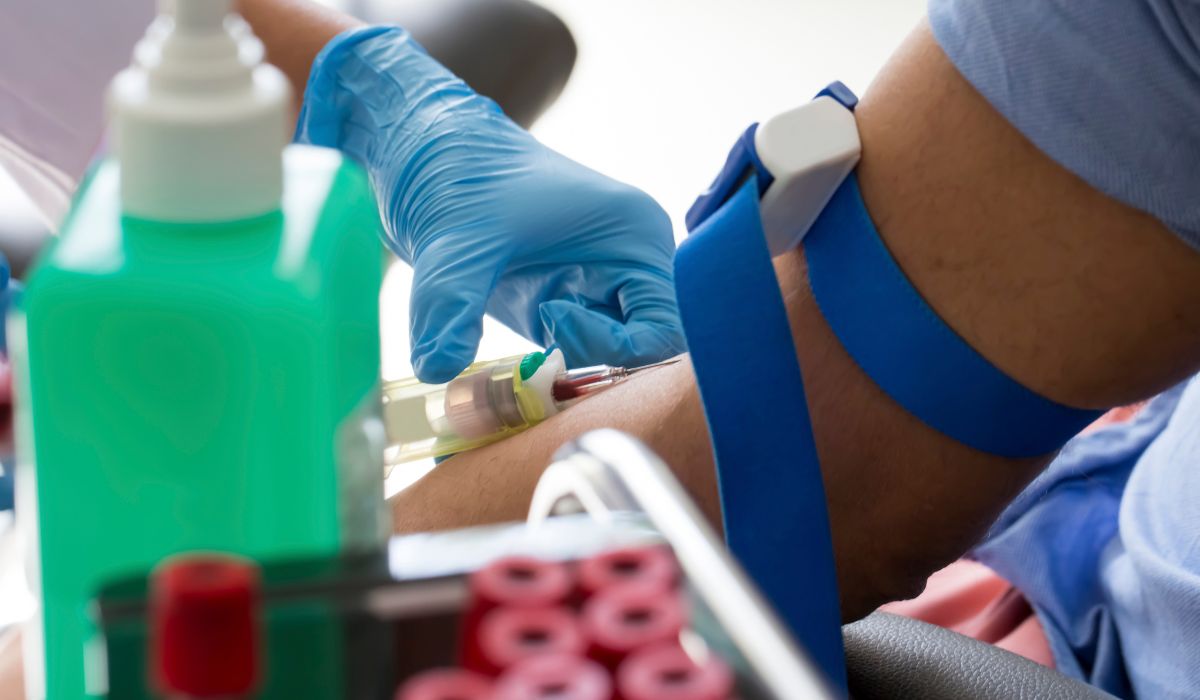
Does Paroxetine Show Up on a Drug Test?
If you or someone you love is taking paroxetine, you may wonder: “Will it show up on a drug test?” This is a smart question to ask, especially if you’re in therapy, recovering from substance abuse, or just want to be safe at work or school.
This blog is here to explain how paroxetine works, if it appears on drug tests, and what you should know about false positives and false negatives. We’ll also talk about Lynk Diagnostics, a trusted drug testing center that works with rehab facilities.
Let’s break it all down in easy-to-understand steps.

What Is Paroxetine?
Paroxetine is a type of antidepressant. It belongs to a group of medicines called selective serotonin reuptake inhibitors (SSRIs). These medicines help with mental health problems like:
- Major depressive disorder
- Panic disorder
- Anxiety disorder
- Stress
- Insomnia
Paroxetine works by changing how your brain uses serotonin, a chemical that affects your mood and feelings.
Why Do People Take Paroxetine?
People take paroxetine to feel better when they have mental health challenges. It helps balance chemicals in the brain. A physician or someone in psychiatry may prescribe it for:
- Feeling very sad (depression)
- Having a lot of panic
- Worrying too much (anxiety)
- Trouble sleeping (insomnia)
- Dealing with past trauma or addiction
What Kind of Drug Test Might Be Used?
Most people take urine tests, also called urinalysis, when being screened for drugs. But there are other kinds too:
- Saliva testing
- Blood tests
- Hair tests
Labs like Lynk Diagnostics may use chromatography, mass spectrometry, or immunoassay tests to check for different drugs or their metabolites.
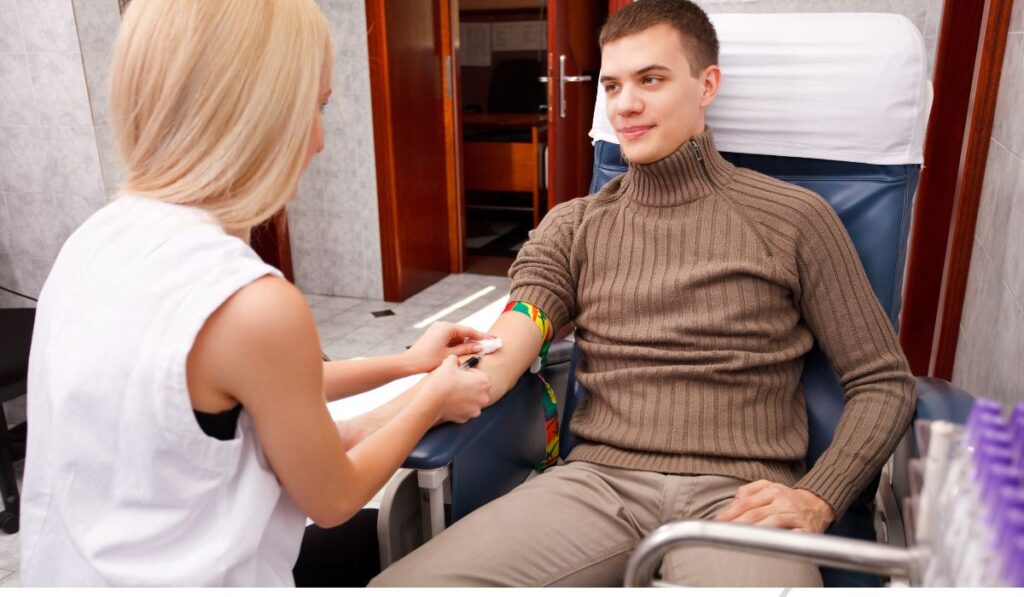
Does Paroxetine Show Up on a Drug Test?
Usually, paroxetine does NOT show up on a standard drug test. Most drug tests are looking for controlled substances like:
- Amphetamine
- Methamphetamine
- Opiate
- Methadone
- Oxycodone
- Benzodiazepine
- Phencyclidine (PCP)
Paroxetine is not one of those drugs. It is not a stimulant, not an opiate, and not a controlled substance. So, most tests will not detect it.
But in some rare cases, false positives can happen.
Can Paroxetine Cause a False Positive?
Yes, but it’s not common.
Some SSRIs, like sertraline and fluoxetine, have caused false positives for benzodiazepines or amphetamines in urine tests. Though rare, paroxetine could possibly trigger a false positive too—especially if the test is done with basic tools like immunoassay.
This is why professional testing centers like Lynk Diagnostics confirm results with more accurate tools like:
- Mass spectrometry
- Chromatography
What Medications Might Trigger Drug Test Confusion?
Besides paroxetine, other antidepressants and mental health medications might mix up drug tests. These include:
- Trazodone
- Mirtazapine
- Amitriptyline (a tricyclic antidepressant)
- Citalopram
- Escitalopram
- Duloxetine
- Venlafaxine
- Desvenlafaxine
- Bupropion
- Fluoxetine
- Quetiapine
- Aripiprazole
- Monoamine oxidase inhibitors
Some cold or pain drugs like diphenhydramine, pseudoephedrine, naproxen, ibuprofen, and dextromethorphan can also cause test confusion.
What Happens If You Get a False Positive?
If a false positive happens, don’t panic.
Tell the lab or your physician about any medication you’re taking. That includes any antidepressant, tramadol, or even over-the-counter health care products.
Facilities like Lynk Diagnostics can re-test your sample with high-level methods to clear up the result.
Is Paroxetine a Controlled Substance?
No. Paroxetine is not a controlled substance under U.S. law. That means it doesn’t have the same rules as drugs like methylphenidate, oxycodone, or amphetamine. But it should still be taken only as prescribed.
What If I’m In Rehab or Therapy?
If you’re in a substance abuse treatment program, it’s important to share your full medication list with your therapy team and drug testing lab.
Lynk Diagnostics works directly with rehab facilities and follows HIPAA (Health Insurance Portability and Accountability Act) to protect your private health information.
They understand the importance of accurate, safe, and private testing.
Can I Drink Alcohol While Taking Paroxetine?
Mixing alcohol with paroxetine is risky. It can:
- Make you feel dizzy
- Increase side effects
- Change how your body uses the medication
This can also affect how the drug shows up in your system and could raise your risk of drug interaction or a poor test result.
What About Health Insurance?
Many health plans cover mental health treatment and drug test services. If you’re using a lab like Lynk Diagnostics, check with your provider to see if your health insurance includes:
- Drug testing
- Therapy
- Psychiatry visits
- Medication support
Affordable payment plans may also be available.
What Is Antidepressant Discontinuation Syndrome?
If you stop taking paroxetine too quickly, you may feel withdrawal-like symptoms. This is called antidepressant discontinuation syndrome. It can make you feel:
- Dizzy
- Irritable
- Sick to your stomach
- Like your brain is “zapping”
This can affect your mood, your stress, and how your body handles other drugs. Always follow your doctor’s advice when changing your dose.
How Does the Body Break Down Paroxetine?
Pharmacokinetics is the study of how your body uses medicine. Paroxetine is taken as a pill or liquid, and your body breaks it down in the liver and removes it through urine.
The metabolism of paroxetine can affect how long it stays in your system. For most people, it takes a few days to leave the body.

FAQs
Does paroxetine show up on a urine drug test?
No, it usually does not. Paroxetine is not a drug most urine tests are looking for. But rare false positives may happen.
Can antidepressants affect a drug test?
Yes. Some antidepressants can cause false positives on tests. Tell the lab about any medication you take to help avoid confusion.
What should I do if I get a false positive?
Ask for a more accurate test like mass spectrometry or chromatography. Labs like Lynk Diagnostics can confirm the results.
Is it safe to take paroxetine with other medications?
Talk to your doctor. Paroxetine can interact with other drugs, including tramadol, methadone, or other serotonin reuptake inhibitors.
Can I stop taking paroxetine on my own?
No. Stopping suddenly can cause antidepressant discontinuation syndrome. Work with your physician to slowly lower your dose if needed.
Final Thoughts
Paroxetine is a helpful medication for people with mental health conditions like major depressive disorder, anxiety, or panic disorder. While it usually won’t show up on a drug test, it’s always smart to share your full medication list with your doctor and the drug testing lab.
Using a trusted testing provider like Lynk Diagnostics ensures your results are safe, private, and accurate. They follow all the rules of HIPAA and work with rehab centers and therapy teams to support people in addiction recovery.
If you have more questions about drug tests, paroxetine, or mental health, always speak to a qualified physician or psychiatry expert.
Sources:
- National Center for Biotechnology Information (NCBI) – Paroxetine:
https://www.ncbi.nlm.nih.gov/books/NBK539741/ - Mayo Clinic – Drug Testing Overview:
https://www.mayoclinic.org/tests-procedures/drug-testing/about/pac-20394459 - MedlinePlus – Paroxetine Medication Guide:
https://medlineplus.gov/druginfo/meds/a698032.html - SAMHSA – Understanding False Positives in Drug Testing:
https://www.samhsa.gov/workplace/drug-testing - Healthline – Antidepressants and Drug Testing:
https://www.healthline.com/health/false-positive-drug-test