
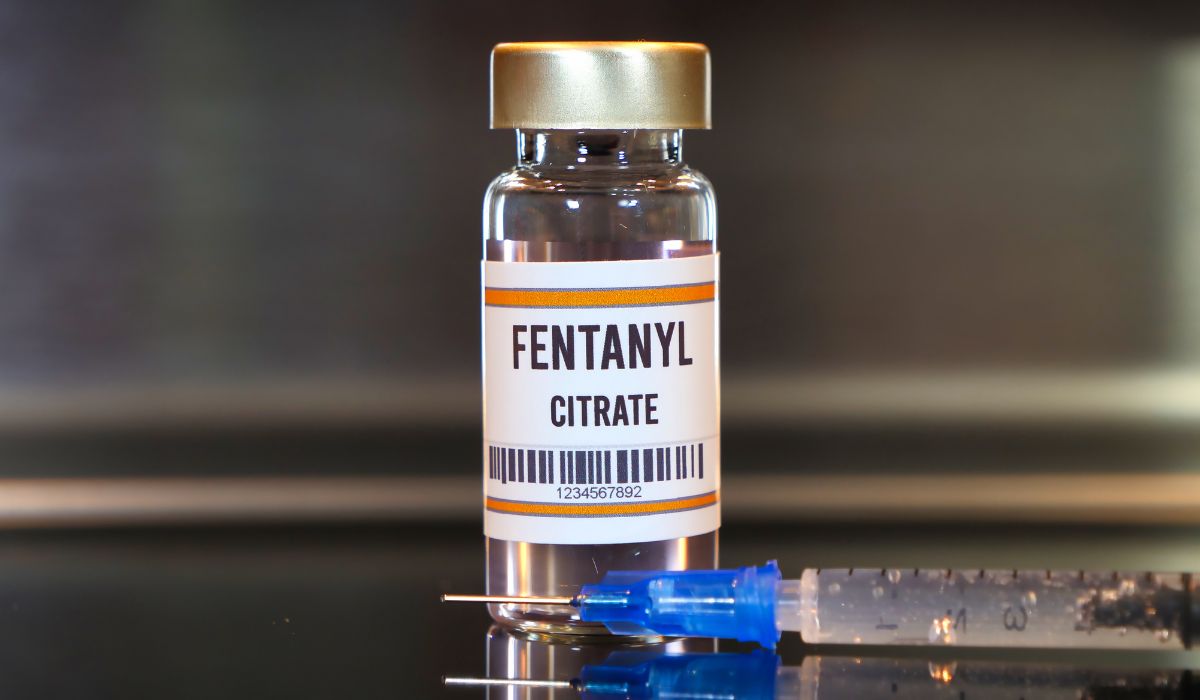
Does Fentanyl Show Up on a Drug Test?
Fentanyl is a very powerful opioid medicine often given for serious pain. Because it is so strong and risky, many people ask, does fentanyl show up on a drug test? In this guide, we’ll explain in simple words how fentanyl drug tests work, what they can find, and why this matters for health and recovery.
What Is Fentanyl?
Fentanyl is a man-made opioid. Doctors may give it to a patient for severe pain, like after surgery or for cancer treatment. It is stronger than many other pain medications, but it also has high risks for substance abuse and addiction.
When misused, fentanyl can be very dangerous. Many opioid overdoses involve fentanyl, which is why drug testing has become so important in health and mental health care.
Why Do People Test for Fentanyl?
Drug testing for fentanyl can:
- Help doctors check if a patient is taking medication as prescribed.
- Protect people in substance abuse treatment programs.
- Support therapy and recovery plans.
- Keep workplaces safe.
- Identify risks of opioid overdose.
Because fentanyl is often mixed with other substances, testing can also save lives. If someone overdoses, knowing fentanyl is present allows quick treatment with naloxone.
Does Fentanyl Show Up on a Drug Test?
Yes, fentanyl can show up on a drug test. But it is not always found on standard tests.
Most routine drug tests look for opioids like morphine or codeine, but fentanyl has a different structure. This means some drug tests may miss it. To find fentanyl, labs use a fentanyl drug test designed to detect this substance.
Types of Fentanyl Drug Tests
Different drug test methods can detect fentanyl. Each has its own use and time frame.
Urine Tests
Urinalysis is the most common way to test for drugs. A fentanyl urine test can show use within 1–3 days. It is often used for patients in addiction treatment or pain management.
Saliva Testing
Saliva testing can sometimes detect fentanyl shortly after use. It is less common than urine testing but is quick and non-invasive.
Blood Tests
Blood tests can detect fentanyl soon after use, but the window is short. These tests are usually done in medical emergencies.
Hair Tests
Hair tests can show a history of fentanyl use over weeks or months. They are less common but may be used in some legal or rehab settings.
Detection Times for Fentanyl
How long fentanyl stays in the body depends on the person and the test:
- Urine (urinalysis): 1–3 days
- Saliva testing: up to 2 days
- Blood: up to 12 hours
- Hair: up to 90 days
Factors like dose, metabolism, health, and whether the patient uses other substances (like alcohol or methadone) can change results.
Why Testing Matters for Health and Safety
Fentanyl testing is not only about catching drug use. It is about protecting health and supporting recovery.
- Mental health care: Testing can guide therapy and help providers understand substance use patterns.
- Substance abuse treatment: Testing helps monitor progress in addiction recovery.
- Preventing overdose: Knowing fentanyl is present means naloxone can be used quickly to save lives.
Fentanyl, Addiction, and Recovery
Fentanyl is powerful, which makes it highly addictive. Many people struggling with substance abuse need therapy, medication, and support to recover.
Medications That Help
- Methadone: A medication that can reduce cravings.
- Naloxone: A life-saving drug that reverses opioid overdose.
- Other medication therapies: Used to support recovery and improve health.
The Role of Therapy
Therapy gives patients tools to handle cravings, stress, and mental health struggles. It also helps families understand addiction and recovery.
Risks of Mixing Fentanyl with Other Substances
Using fentanyl with alcohol, other opioids, or medications raises the risk of overdose. This is why testing is so important. It helps detect dangerous mixes before they cause harm.
How Lynk Diagnostics Can Help
Lynk Diagnostics is a drug testing center dedicated to rehab facilities. They provide accurate testing for fentanyl and other substances. Their services support patients, families, and providers in the fight against substance abuse and opioid overdose.
With the right testing, therapy, and treatment, recovery is possible.
FAQs About Fentanyl and Drug Tests
Does fentanyl show up on a regular drug test?
Not always. Standard opioid tests may miss fentanyl. A special fentanyl drug test is needed.
How long does fentanyl stay in your urine?
Fentanyl is usually detected in urine for 1–3 days after use.
Can fentanyl be detected in saliva testing?
Yes, fentanyl may show up in saliva testing within 24–48 hours.
Why is naloxone important for fentanyl overdoses?
Naloxone quickly blocks opioid effects and can save a life during a fentanyl overdose.
Can therapy help with fentanyl addiction?
Yes, therapy and medication together can support recovery, improve mental health, and help patients avoid relapse.
Final Thoughts
So, does fentanyl show up on a drug test? Yes—but only with the right test. Urinalysis, saliva testing, blood tests, and hair tests can all detect fentanyl. Testing plays a vital role in substance abuse treatment, patient health, and overdose prevention.
With the help of testing centers like Lynk Diagnostics, therapy, and medication support, people struggling with fentanyl addiction can find a path toward recovery and better mental health.
Sources