Does Nordiazepam Show Up on a Drug Test?
At Lynk Diagnostics, a trusted drug testing center supporting rehab facilities, we help patients, healthcare providers, and treatment programs find clear answers about benzodiazepines like Nordiazepam.
What Is Nordiazepam?
Nordiazepam is a benzodiazepine, a class of drugs that helps with anxiety, seizures, and muscle spasms. It’s also known as desmethyldiazepam, a metabolite of other common benzodiazepines like diazepam (Valium), chlordiazepoxide (Librium), and flurazepam.
Doctors sometimes find Nordiazepam in the body even when someone hasn’t taken it directly—because it can come from the metabolism of other medications such as clonazepam, alprazolam, lorazepam, temazepam, or oxazepam.
Why Is Nordiazepam Tested For?
Nordiazepam shows up on most benzodiazepine panels during a urine drug screen. It’s commonly tested because:
- It’s a long-acting metabolite that can stay in your body for several days.
- It helps confirm adherence or misuse of medications like Valium, Ativan, or Librium.
- It provides information for physicians, toxicologists, and laboratories when interpreting drug test results.
In rehab and treatment programs, facilities often use Lynk Diagnostics to ensure patients are staying compliant and not engaging in substance abuse.
How Long Does Nordiazepam Stay in Your System?
The amount of time Nordiazepam stays in your system depends on factors like:
- Age and health of the person
- Dose and frequency of ingestion
- Liver function and metabolism
- Use of alcohol, opioids, or other drugs
Because Nordiazepam is long-acting, it may remain detectable in:
- Urine: up to 10 days after use (sometimes longer)
- Blood (serum): 1–3 days
- Hair: up to 90 days
- Saliva: 1–2 days
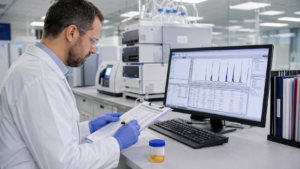
Lynk Diagnostics uses advanced toxicology methods such as chromatography and mass spectrometry to detect even trace amounts of benzodiazepines and their metabolites.
How Do Drug Tests Detect Nordiazepam?
Urine Drug Testing
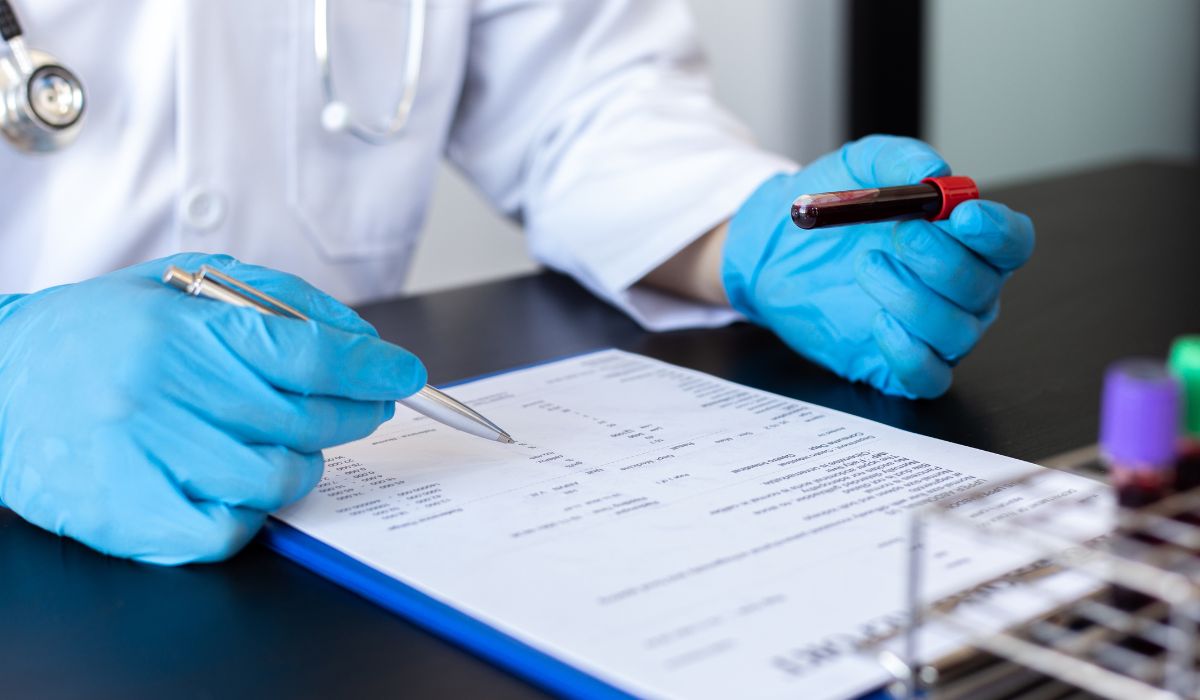
A urine test is the most common way to detect Nordiazepam. During this process, a specimen of urine is collected and tested for specific metabolites.
Most immunoassay tests can detect benzodiazepines like Nordiazepam, but some may give false negatives or false positives depending on sensitivity and specificity.
That’s why laboratories like Lynk Diagnostics confirm positive results using gas chromatography-mass spectrometry (GC-MS) or liquid chromatography-tandem mass spectrometry (LC-MS/MS)—two highly accurate forensic toxicology methods.
Blood Testing
Blood tests (serum testing) can also detect Nordiazepam, especially in emergency department cases involving overdose, seizure, or polysubstance abuse involving opioids like fentanyl or hydromorphone.
Hair and Saliva Testing
Though less common, hair and saliva tests can reveal benzodiazepine ingestion over longer or shorter periods, depending on the situation.
Does Nordiazepam Show Up as Other Drugs?
Because Nordiazepam is a metabolite of several benzodiazepines, it may appear in a urine drug screen even if the person took diazepam, temazepam, or chlordiazepoxide.
In some cases, this can cause confusion in therapy or rehab programs if physicians don’t know a patient’s full medication list. That’s why Lynk Diagnostics works with treatment teams to interpret pathology reports accurately and confirm which drug caused the positive result.
Factors That Influence Detection
Several factors affect how and when Nordiazepam shows up on a drug test:
- Type of drug test (urine, blood, or hair)
- Cutoff levels used by the laboratory
- The individual’s health, liver function, and body fat
- Use of other drugs such as opioids, alcohol, or barbiturates
- Whether the person is in therapy or undergoing detoxification
Each drug and metabolite behaves differently inside the body. That’s why reference ranges and assay limits are used to ensure results are accurate and fair for each patient.
Nordiazepam and Controlled Substance Monitoring
Since Nordiazepam is a controlled substance, it is tightly regulated by the Drug Enforcement Administration (DEA). Doctors must monitor usage closely to prevent addiction, abuse, and withdrawal symptoms.
In rehab settings, urine drug testing helps ensure patients are following their treatment plans. Lynk Diagnostics partners with healthcare providers to make sure drug testing supports recovery rather than punishes relapse.
Can Other Medications Cause False Positives?
Yes. Some medications, including sertraline, oxaprozin, or non-benzodiazepine sedatives, might lead to false positive results in certain immunoassay tests.
When this happens, confirmatory testing with chromatography or mass spectrometry is performed to determine the exact metabolite detected.
This level of precision helps physicians and toxicologists differentiate between Nordiazepam, oxazepam, temazepam, or other benzodiazepines.
Why Accurate Testing Matters in Rehab
For individuals in rehabilitation programs, accurate drug test results are critical for success. Lynk Diagnostics plays a vital role in helping treatment centers monitor adherence, support recovery, and prevent relapse.
Incorrect results can lead to:
- Unnecessary punishment for patients
- Confusion in therapy progress
- Improper medication management
With advanced toxicology, mass spectrometry, and strict laboratory standards, Lynk Diagnostics provides reliable results that healthcare teams can trust.
Nordiazepam and Other Benzodiazepines
Nordiazepam isn’t the only benzodiazepine that may show up on a drug test. Others include:
- Diazepam (Valium)
- Lorazepam (Ativan)
- Temazepam (Restoril)
- Clonazepam (Klonopin)
- Alprazolam (Xanax)
- Flurazepam, Triazolam, and Midazolam
Because all these drugs work on similar receptors in the brain, they can produce comparable metabolites, which are identified during urine drug testing.
What Happens if You Test Positive for Nordiazepam?
If you test positive for Nordiazepam, it doesn’t always mean misuse. It could mean:
- You are taking a prescribed benzodiazepine.
- Your body has broken down another drug (like Valium) into Nordiazepam.
- There was an error in the initial immunoassay, and confirmatory testing is needed.
Your physician or therapist will review the results with you and may request a confirmatory assay using mass spectrometry to confirm.
At Lynk Diagnostics, every positive sample is verified to ensure accuracy before reporting to healthcare teams.
Nordiazepam and Opioid Use
Many patients who take benzodiazepines are also prescribed opioids such as fentanyl, hydromorphone, or oxymorphone for pain.
However, combining these drugs increases the risk of overdose, respiratory depression, and even death. That’s why therapy programs and rehab centers use urine drug testing to track and manage dual prescriptions safely.
Alcohol and Nordiazepam
Mixing alcohol with benzodiazepines like Nordiazepam can intensify sedative effects. It can slow down your heart rate, cause confusion, and increase the risk of accidents.
Physicians often warn patients about this dangerous combination, especially those in substance abuse treatment or emergency department settings.
How Lynk Diagnostics Helps Rehab Facilities
Lynk Diagnostics is a medical laboratory that provides accurate, high-quality drug testing for rehab facilities. Their expertise includes:
- Urine drug screens for benzodiazepines, opioids, and barbiturates
- Mass spectrometry for precise metabolite detection
- Reliable toxicology and pathology reporting
- Support for physicians, therapists, and treatment teams
By combining science, care, and accuracy, Lynk Diagnostics ensures every patient receives the right care and every result is trustworthy.
FAQs About Nordiazepam Drug Testing
Does Nordiazepam show up on a urine drug test?
Yes. Nordiazepam shows up on most urine drug tests designed to detect benzodiazepines. It can stay in the urine for up to 10 days after use.
How is Nordiazepam detected in the lab?
Labs like Lynk Diagnostics use immunoassay for screening and confirm results using chromatography or mass spectrometry to identify metabolites.
Can Nordiazepam cause a false positive for other drugs?
Yes. Because it’s related to other benzodiazepines, it can sometimes be mistaken for Valium, Temazepam, or Oxazepam. Confirmatory testing helps clarify this.
Does Nordiazepam show up on opioid or barbiturate tests?
No. It will not test positive for opioids or barbiturates like codeine or fentanyl. It only appears on benzodiazepine panels.
How can Lynk Diagnostics help with drug testing accuracy?
Lynk Diagnostics uses advanced toxicology tools to ensure every drug test is accurate, sensitive, and specific, helping rehab facilities and patients stay on track in treatment.
If you’re wondering whether Nordiazepam will show up on a drug test, the answer is yes—it typically does. Because it’s a benzodiazepine metabolite, it’s often found in urine, blood, or hair samples.
With expert testing from Lynk Diagnostics, patients and healthcare providers can trust that results are accurate, reliable, and helpful for safe recovery and effective therapy.
Sources