Drug testing can feel simple: take a urine sample, run a drug test, get results. But real life is not always that clean. Samples can be too small, labels can be wrong, a result can look “positive” on an instant drug testing cup, or a provider may need more information.
That is where re-testing comes in.
At Lynk Diagnostics, we support rehab programs with careful policy, strong chain of custody, and clear information so teams can trust the result and keep people safe. Re-testing is not about “catching” someone. It is about quality, fairness, and protecting health.
What “Re-Testing” Means in Drug Testing Labs
Re-testing means the testing lab does another test connected to the first test. This can happen for different reasons, like:
- The first drug screening test is “presumptive” (not final)
- The sample might have contamination
- A result does not match the patient’s medication list
- A workplace or court law process requires a second test
- A rehab team needs more information to guide care
Re-testing can be done on:
- The same urine specimen (if there is enough left)
- A split specimen (a second bottle collected at the same time)
- A new urine drug testing sample (a new collection)
Why a Drug Test Might Need Re-Testing
Common reasons labs re-test
A drug test may be re-tested when:
- A positive screen needs confirmation
- The sample looks “off” (possible dilution, mix-up risk, or tampering concern)
- The lab sees a possible opiate/opioid pattern that needs exact details
- A patient is taking a legal medication that could confuse a screen
- A program needs better documentation for legal liability
- A lawyer may later request records or ask questions
- The rehab team needs clearer results to continue treatment planning with confidence
Screening vs Confirmation: Why Two Steps Matter
Many programs use two main steps:
Instant drug testing (screening)
This is often a cup or quick test. It is helpful for fast information, but it can be less specific.
- It may react to drug “families”
- It may not clearly separate some medications
- It can sometimes create a confusing result
Confirmation testing (the “proof” step)
When results are high-stakes, labs often move to confirmation.
Confirmatory testing commonly uses:
- Gas chromatography
- Mass spectrometry
These tools can help the lab identify specific drugs or metabolites, not just a broad “positive” signal.
How Drug Testing Labs Decide When to Re-Test
Drug testing labs use rules, not guesses. A strong policy helps staff follow the same steps every time.
A lab may re-test when:
- The first result is unexpected
- The sample is near a cutoff
- Quality checks raise questions
- A regulated workplace program requires a specific re-test process
- A split specimen re-test is requested in a regulated setting
Chain of Custody: The Backbone of Re-Testing
Re-testing only helps if everyone trusts the specimen is the right one.
Chain of custody is the “paper trail” (and digital trail) that shows:
- Who collected the urine
- When it was sealed
- Who transported it
- Who received it at the laboratory
- Who opened it for testing
- How it was stored
If chain of custody is broken, results can be challenged, and that raises legal liability for programs and labs.
What Happens Inside the Lab During Re-Testing
Here is what a careful re-testing flow can look like.
Step 1: Verify identity, labels, and seals
Lab staff check:
- Seals are intact
- Labels match paperwork
- The sample ID matches the order
If something looks wrong, the lab may stop and report a problem instead of re-testing blindly.
Step 2: Review the first result and the testing method
The lab reviews:
- Was it a screening immunoassay?
- Was it already confirmed?
- Are there notes about interference, medication, or handling concerns?
Step 3: Check specimen storage rules
Good labs store urine specimens under controlled conditions to protect the sample and reduce errors.
Step 4: Run the right re-test
The re-test might be:
- A repeat screen (to rule out a simple instrument error)
- A confirmation test using gas chromatography and mass spectrometry
- A targeted confirmation for a specific opioid or opiate
Step 5: Review, document, and report
A qualified professional reviews the data before releasing final results. The final report should be clear about:
- Screen vs confirm
- What method was used
- Any notes needed for correct interpretation
Re-Testing When Contamination Is a Concern
Contamination can happen in real life, like:
- A dirty surface during handling
- Improper storage
- A cap not tightened correctly
- A specimen that leaks
Labs lower contamination risk by:
- Using clean supplies
- Using gloves and controlled work areas
- Keeping samples sealed and tracked
- Keeping specimens separated during processing
If contamination is suspected, the lab may recommend a new collection instead of relying on a questionable sample.
Re-Testing in Rehab Settings: Supporting Care Without Shame
In a rehab program, drug testing is often part of safety and recovery planning. Re-testing can help when:
- A patient says, “That result doesn’t make sense”
- A clinician is tracking progress in addiction recovery
- The team is monitoring relapse risk in substance abuse care
- A patient is taking medication for pain, sleep, or mental health needs
Re-testing supports fairness. It helps programs treat the patient with respect while still staying safe and accountable.
Workplace and Legal Situations: Why Re-Testing Protects Everyone
In workplace and legal settings, re-testing can help reduce disputes.
Re-testing supports:
- Clear documentation and strong paper records
- Better accuracy for employment decisions
- Reduced legal liability
- A stronger position if a lawyer reviews the case later
A lab must follow the program’s policy and any applicable law so the process stays consistent and defensible.
How Labs Share Results the Right Way
Labs should share results only with authorized people, following privacy rules and program policy.
A high-quality process includes:
- Clear reporting language (screen vs confirmation)
- Notes when confirmation was performed
- Documented chain of custody
- Secure delivery of results to the right contacts
For rehab partners, Lynk Diagnostics focuses on clear reporting so teams can act quickly, protect patient health, and support ongoing care.
What Re-Testing Does NOT Mean
Re-testing does not mean:
- The first result was “fake”
- The lab is “changing” results
- Anyone is being blamed automatically
It means the lab is doing what a real laboratory should do: double-check important drug tests using strong methods and controlled processes.
FAQs
What is the difference between a drug screen and a confirmation test?
A drug screen (often instant drug testing) is fast and helpful, but it can be less exact. A confirmation test uses tools like gas chromatography and mass spectrometry to identify specific drugs more clearly.
Can medication cause a positive result on a drug test?
Yes. Some medication can affect screening tests. That is why confirm testing is important when the result impacts rehab care, work, or legal decisions.
What is chain of custody and why does it matter for re-testing?
Chain of custody is the documented tracking of a urine specimen from collection to the testing lab and through testing. If the chain of custody is broken, the results can be questioned, and that can increase legal liability.
What is a split specimen and how does it relate to re-testing?
A split specimen is when urine is collected into two containers at the same time. If re-testing is needed, the second container can be tested as an added check, depending on the program policy and applicable law.
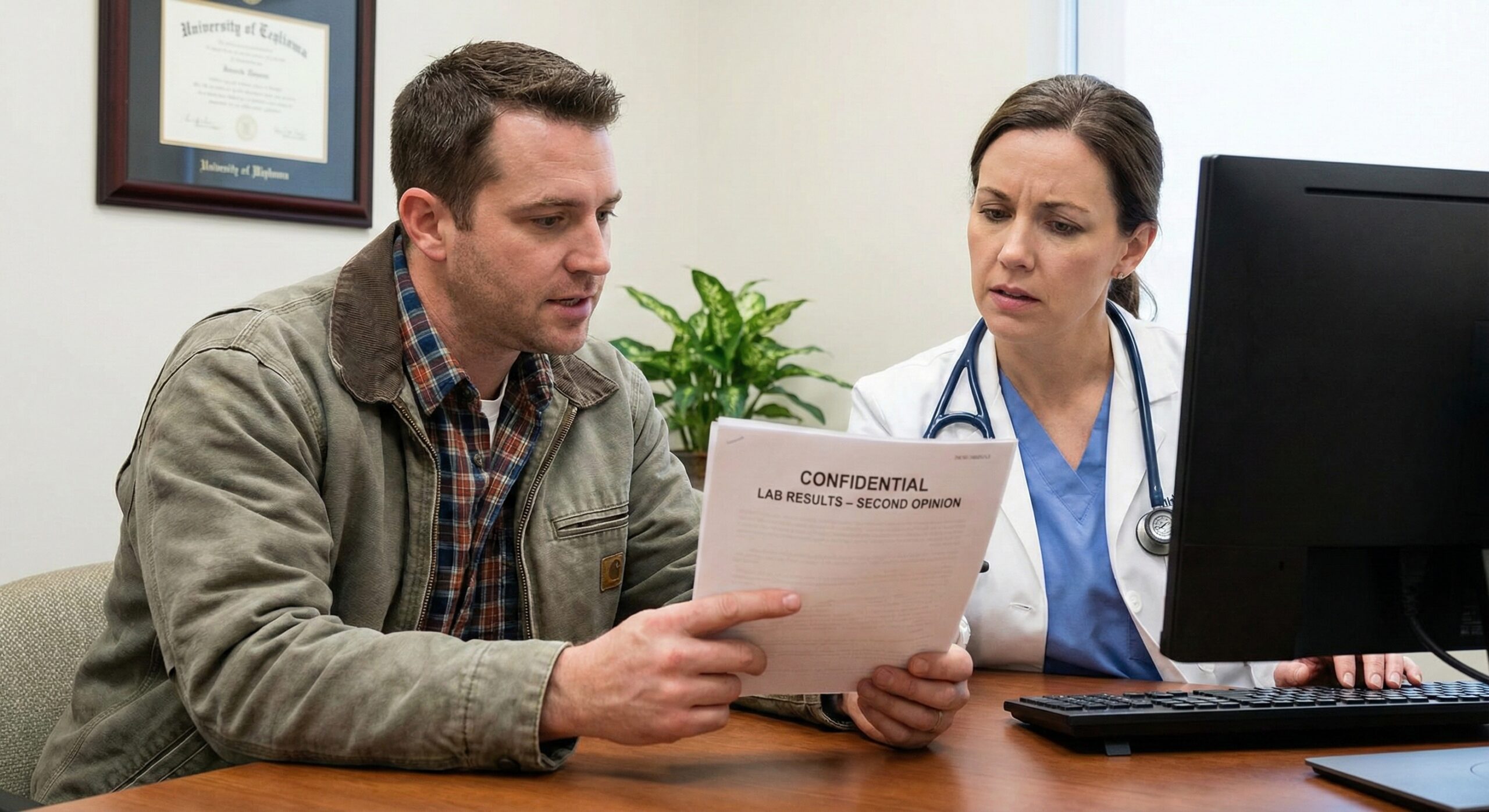
What should a rehab program do if a patient disputes a positive result?
Follow your program policy, review chain of custody paperwork, consider confirm testing (GC/MS-style methods), and document each step. The goal is to protect the patient, the staff, and the program.
Resources