Working With Rural Rehab Centers: Why It Matters
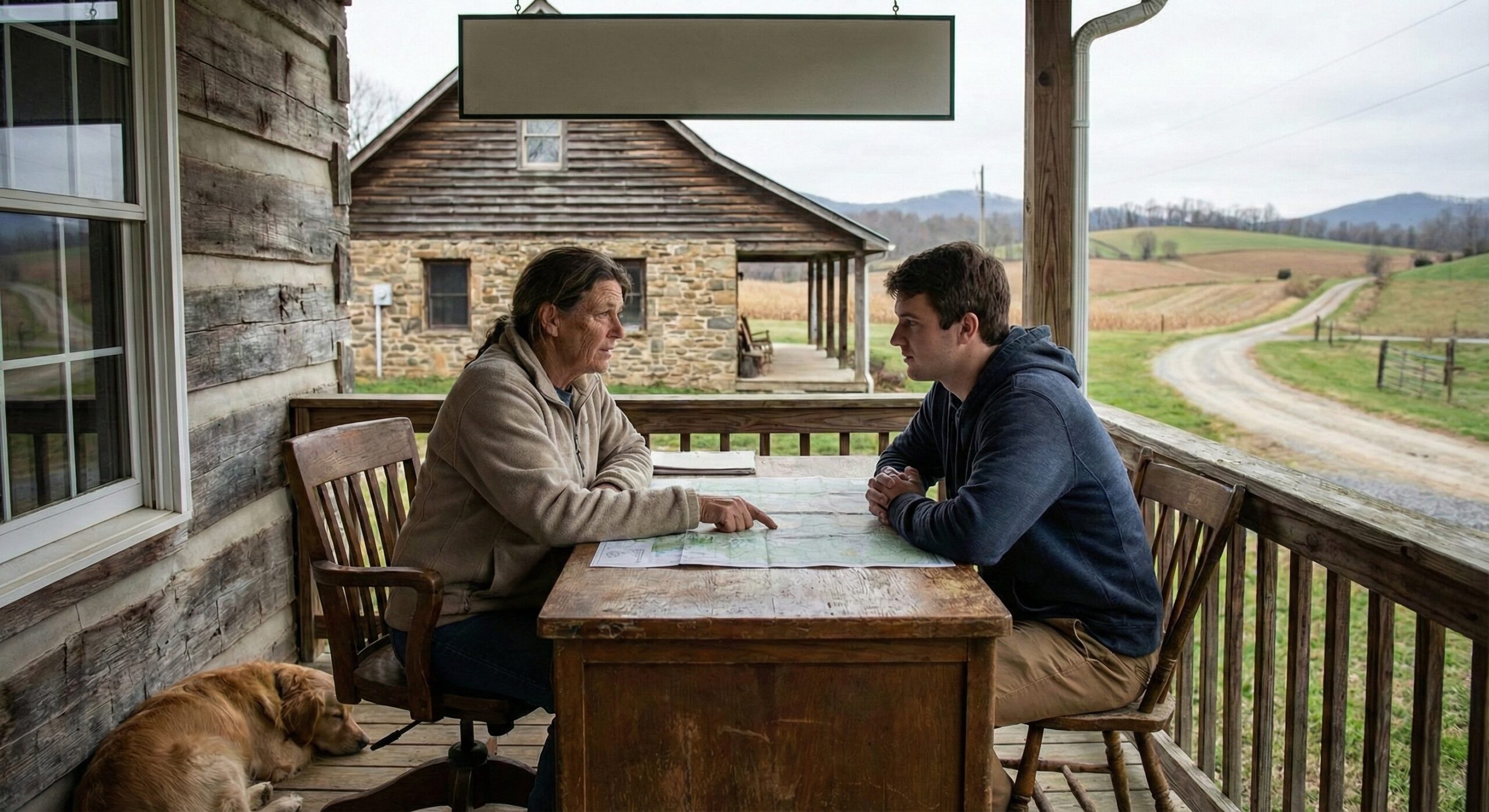
Rural rehab centers are often the only treatment center for miles. They help people and families dealing with addiction, substance abuse, and mental health needs. In small towns and wide-open areas, a strong care team can save lives.
But rural work can be harder. There may be fewer health care providers, fewer resources, longer drives, and less funding. Some patients also face poverty, low access to education, and limited primary care.
This is where a trusted drug testing partner can help. Lynk Diagnostics is a drug testing center dedicated to rehab facilities. We help rural programs create testing plans that support safe treatment, protect the patient, and strengthen the whole community.
What “Rural Health” Challenges Look Like in Real Life
Rural health care is different from big-city care. Here are common barriers rural communities face:
Long distance and transport problems
Patients may live far from the center. Staff may travel long roads. Weather can slow deliveries and lab pickups. That can raise risk if results come late.
Fewer staff and fewer specialists
A rural team may have one physician (a doctor of medicine), a nurse practitioner, and a small nursing staff. There may be limited access to psychology or psychiatry.
More emergencies, fewer services
The local emergency department may be small. An emergency can happen fast, and the team may need quick decisions about safety, relapse, and next steps.
Privacy worries in small towns
In tight-knit communities, people may fear being recognized. Protecting privacy is a big part of ethical care and law compliance.
Why Drug Testing Supports Rural Rehab Success
Drug testing is not about “catching” people. It is a tool that helps guide care.
Testing supports safer treatment plans
When a patient is in recovery, the care plan often includes therapy, support, and sometimes medication. Testing can help the team see if the plan is working and if changes are needed.
Testing helps with dual diagnosis care
Many rural patients need support for dual diagnosis, which means a substance use problem plus a mental health condition. That could include bipolar disorder, anxiety, or psychosis. Clear testing data helps the care team track behavior changes and match the right level of care.
Testing can support insurance paperwork
Some insurance plans require proof of services, medical need, or progress. Clear lab reporting can help a facility show responsible management and documentation.
Building Trust With Rural Rehab Teams
A strong partnership starts with respect for the local team’s skills and local reality. Many rural staff members have years of hands-on experience and deep community ties.
Work with the whole care team
Rural care is often team-based. That may include:
- A physician / doctor of medicine
- A nurse practitioner
- nursing staff
- social work staff
- Counselors providing therapy
- Support staff who run groups and daily schedules
When everyone understands the testing plan, the program runs smoother.
Keep plans simple and repeatable
A rural facility needs a plan that fits busy days. Simple steps reduce mistakes and improve patient safety.
How Lynk Diagnostics Helps Rural Rehab Centers
Lynk Diagnostics supports rural rehab centers with practical systems that match rural needs.
Easy collection and clear instructions
We help staff understand sample collection (like urine, oral fluid, or blood when needed). Clear steps protect accuracy and reduce confusion.
Chain of custody and secure reporting
A strong chain of custody helps protect the integrity of the drug test process. Secure reporting protects privacy and supports compliance with facility policy and relevant law.
Fast answers that support clinical decisions
In rural care, fast information can matter. If a patient is at higher risk, the team may need to adjust supervision, increase support, or change the care plan.
Testing that fits a recovery model
A good recovery model focuses on healing, learning, and long-term stability—not shame. We encourage test plans that support:
- Accountability
- Skill-building
- Healthy routines
- Strong coping tools
- Ongoing peer support
Coordinating With Primary Care and Community Partners
Rural rehab centers often work closely with local clinics and community partners.
Primary care and medicine connections
Many patients also need primary care for other health needs, like chronic disease or medication monitoring. Good teamwork between rehab and health professionals supports whole-person health.
Working with law enforcement and emergency partners
Some rural programs coordinate with law enforcement during safety events, wellness checks, or transport in rare cases. Rehab staff should always focus on care, privacy, and safe handoffs during an emergency.
Addressing Common Rural Substances and Risks
Rural substance use patterns can vary by region. A strong testing plan may include panels that match real local risks.
Opioid and alcohol concerns
Many rural areas have been deeply affected by the opioid crisis. Alcohol use can also be common and dangerous, especially when mixed with other substances. Testing can support safer care decisions and stronger sobriety planning.
Methamphetamine and stimulant risks
Some rural regions report high impact from methamphetamine. Stimulant use can increase agitation, sleep problems, and unsafe decisions. Testing helps the team respond early.
Smoking and overall wellness
Smoking and nicotine use are also common. Many programs support patients with wellness habits like movement, breathing skills, and stress support.
Supporting Mental Health in Rural Recovery
Rural rehab care often blends substance treatment with mental health support.
Therapy, psychiatry, and psychology in rural settings
Some facilities use visiting providers or telehealth for psychiatry and psychology needs. Even when specialists are limited, a clear care plan can still support progress.
Coping skills that fit rural life
Patients often benefit from simple skills they can use anywhere:
- Grounding and breathing
- Safe support calls
- Journaling and learning new habits
- Group support and peer support
- Gentle movement like walking or yoga
These tools help protect sobriety and support long-term recovery.
A Vermont Example: Rural Care With Strong Community Support
In Vermont, many programs focus on prevention, local action, and community-based supports. Rural states often use community prevention groups, helplines, and local partners to strengthen care across towns and counties. HealthVermont+1
That same idea works anywhere: when rural rehab centers connect patients to local supports, recovery becomes more possible.
What Great Rural Partnerships Look Like
A strong rural partnership usually includes:
Clear communication
- Who collects samples
- When testing happens
- How results are shared
- What actions happen after results
Respect for patient dignity
Testing should support care, not punishment. Patients are people first.
Smart use of resources
Rural programs must stretch each resource. A good partner helps reduce waste and improve workflow.
Safety planning
Testing can be part of safety plans, especially when a patient has high medical or mental health needs, or when relapse could lead to overdose or harm.
FAQs
What makes rural rehab care different from city rehab care?
Rural rehab often has fewer staff, fewer specialists, and longer travel times. Rural health systems also may have fewer services and fewer nearby providers.
How can drug testing support recovery without shaming patients?
Testing works best when it supports a recovery model. That means using results to guide treatment, increase supports, and teach coping skills—not to punish.
How do rural rehab centers handle dual diagnosis needs?
They often combine therapy, skills groups, and care planning for both substance use and mental health needs like anxiety, bipolar disorder, or psychosis. Testing can help guide safe decisions.
What should a rural testing plan include?
A good plan includes clear steps, staff training, secure reporting, and a schedule that matches patient risk and program level of care.
How does Lynk Diagnostics support rural rehab centers?
Lynk Diagnostics supports rural rehab centers with clear testing workflows, secure reporting, and lab partnership support so teams can focus on patient care, safety, and long-term recovery.
Helpful High-Quality Resources
Here are trusted resources about rural substance use, overdose prevention, and rural treatment support:
- SAMHSA: Rural Opioid Technical Assistance Regional Centers (ROTA-R) SAMHSA
- HRSA: Rural Communities Opioid Response (RCORP) / Opioid Response HRSA
- CDC: Public Health Considerations for Drug Overdose in Rural America CDC
- Vermont Department of Health: Community Prevention Programs (Alcohol, Tobacco, Other Drugs) HealthVermont