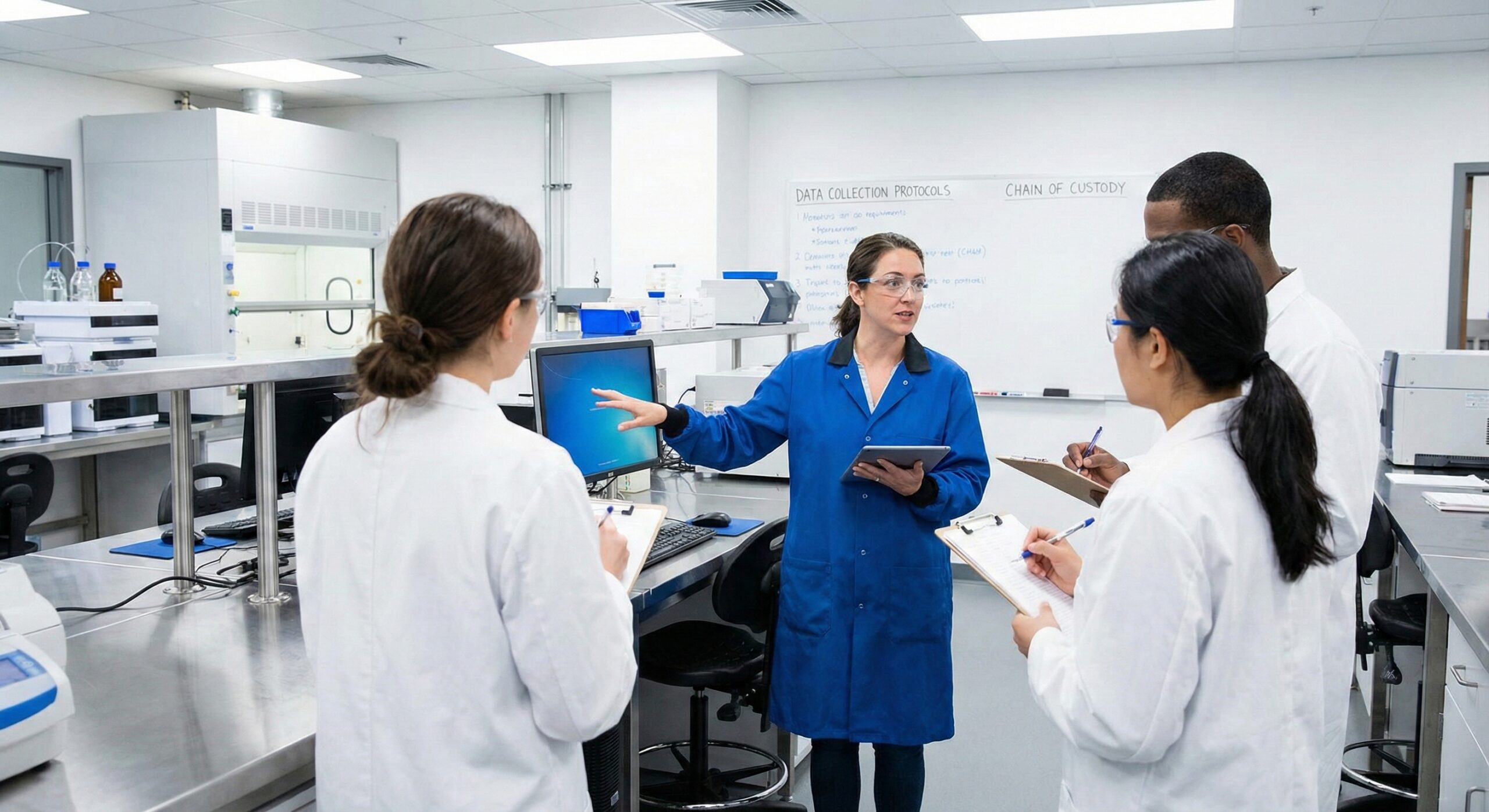
Drug Testing Labs Train Rehab Staff on Collection Best Practices
When a patient is in rehab, every detail matters. One of the biggest details is how a drug test sample is collected. If collection is done the wrong way, test results may not be trusted. That can raise risk, harm therapy progress, and create problems with regulatory compliance and law.
That is why Lynk Diagnostics helps rehab facilities train staff on collection best practices. Our goal is simple: reliable drug testing that supports care, safety, and accountability.
Why Collection Best Practices Matter in Rehab Facilities
Collection best practices are the steps that protect the sample from start to finish. This helps keep the sample’s integrity. It also helps protect the patient’s dignity and privacy.
Bad collection can lead to:
- Wrong or missing labels (lost information)
- Broken chain of custody
- Poor storage or transport
- Increased risk management issues
- Disputes during audits or reviews (more regulation pressure)
Good collection helps staff make better care decisions about substance abuse, relapse, medication, and next steps in treatment.
Reliable Drug Testing Starts Before the Laboratory
Many people think the lab does “all the work.” But the truth is: good results start at the collection site.
If the sample is collected and handled correctly, the laboratory can do its job with confidence. That is how programs protect patient care and maintain compliance.
How Lynk Diagnostics Trains Rehab Staff
Training is not just a one-time talk. It is hands-on learning, simple tools, and clear policy steps staff can follow every day.
On-Site Training, Simple Rules, and Coaching
Lynk Diagnostics training often includes:
- How to follow drug testing policies step-by-step
- How to use drug test cups (and other cups) the right way
- How to document chain of custody
- How to reduce errors and improve adherence
- How to protect privacy and support health and dignity
We also help staff understand why each step matters. When people know the “why,” they follow the process better.
Mock Collections Build Confidence
Many staff feel nervous at first. That is normal. We use practice scenarios, like:
- A patient is anxious
- A patient is on prescribed medication
- A patient is returning after a suspected relapse
- A case involves reasonable suspicion
Practice builds skill. Skill builds consistency. Consistency builds trust.
Step-by-Step: Urine Drug Testing Done Right
Urine collection is one of the most common methods used in centers and facilities. It is also a method with strict rules in many settings, including workplace and employment programs like DOT testing. Department of Transportation+1
Prepare a Safe, Private Space
A good collection space helps with:
- Patient comfort
- Staff safety
- Lower error rates
Basic steps:
- Keep the area clean
- Remove items that could be used to tamper
- Limit access to protect accountability
This supports sample integrity and helps reduce program risk.
Use the Right Drug Test Cups and Supplies
Use sealed, single-use drug test cups. Do not reuse anything. Make sure supplies are ready before the patient enters.
Common items:
- Sealed collection cup
- Gloves
- Labels
- Tamper-evident seals
- Required forms (paper or electronic)
If your program uses panel drug test options (like a 5, 10, or 12 panel), staff should confirm the correct test order before collection so nothing is missed.
Labeling, Data, and Chain of Custody
Chain of custody is the paper trail that shows who had the sample at every step. It protects the sample’s integrity and supports compliance. SAMHSA+1
Key steps:
- Label the specimen immediately
- Use correct identifiers (per your policy)
- Document date/time
- Record collector name
- Seal the container
- Ensure forms match the sample
This is how you protect data and keep results defensible during audits.
Secure Transport to the Laboratory
After collection, the sample must be packaged and moved safely. Transport mistakes can ruin a sample.
Best practices include:
- Store at the right temperature (per policy)
- Use secure packaging
- Ship within required time windows
- Track pickups and drop-offs for accountability
This supports compliance and reduces risk.
Saliva Testing Basics for Rehab Centers
Saliva testing can be useful for certain situations. It may be used as a quick check, or when urine collection is not possible.
Best practices:
- Follow clear chain of custody steps (just like urine)
- Prevent eating/drinking right before collection (per instructions)
- Document timing carefully
Lynk Diagnostics can train staff on when saliva fits your program and how to collect it correctly.
Alcohol Testing: Breathalyzer and Breath Alcohol Testing
Many programs also need alcohol testing, especially when safety is a concern. A breathalyzer is a common tool used for breath alcohol testing.
Best practices:
- Use calibrated devices (per policy)
- Follow documented steps every time
- Record results clearly
- Maintain accountability for device access and storage
Alcohol testing can support safety planning, reduce risk, and improve decision-making in care.
Drug Testing Policies That Protect Rehab Facilities
A written policy helps everyone know the rules. It also supports regulatory compliance and regulatory requirements.
What to Include in Drug Testing Policies
Strong drug testing policies usually cover:
- Who can collect
- How to collect (urine, saliva, breath)
- When to test (random, routine, for cause)
- How to handle reasonable suspicion
- What to do after positives or refusals
- How to document chain of custody
- How to handle patient privacy and consent
Clear policy improves adherence and reduces errors.
Workplace, Employment, and Safety Needs
Some rehab programs also test staff or support partner programs with employee drug testing. In workplace settings, drug testing can be tied to safety, employment rules, and risk control.
Even if you do not run staff testing, it helps to understand how strict collection needs to be when results affect jobs, licensing, or legal cases.
DOT and Other Regulated Programs
If you work with DOT or other regulated partners, collection must follow strict guidelines. DOT has detailed instructions for urine collection procedures and collector responsibilities. Department of Transportation+1
Even when you are not a DOT site, these standards can be a strong model for clean, consistent collection.
Handling Common Problems Without Breaking the Process
Even with great training, problems happen. The key is to respond in a steady, documented way.
When a Patient Cannot Provide a Sample
Sometimes a patient cannot provide urine right away. Staff should:
- Stay calm and supportive
- Follow policy steps
- Document timing and actions
- Avoid shortcuts that break chain of custody
This protects integrity and supports the treatment plan.
Reasonable Suspicion and Risk Management
Reasonable suspicion testing can feel tense. Staff should:
- Follow policy exactly
- Use clear documentation
- Keep communication respectful
- Focus on safety and care, not shame
This supports risk management and keeps the program fair.
Medication, False Positives, and Better Decisions
A patient may test positive due to prescribed medication. Some results may involve stimulant-type findings like amphetamine on certain panels.
Best practices:
- Document medications (per program rules)
- Confirm unexpected results through proper lab processes
- Communicate results carefully with the care team
This supports better management decisions and protects patient trust.
A Simple Training Checklist for Daily Use
Here is a simple checklist Lynk Diagnostics often recommends during training:
Daily
- Confirm supplies (cups, seals, forms)
- Check storage and security
- Review policy steps with new staff
Weekly
- Review error trends (missing labels, form issues)
- Refresh chain of custody steps
- Run short practice scenarios
Monthly
- Update training logs
- Review compliance needs and regulatory requirements
- Audit your collection space and documentation
Small habits create big wins over time.
FAQs
What is chain of custody, and why does it matter?
Chain of custody is the documented path of the specimen from collection to the laboratory. It protects sample integrity and supports compliance if results are questioned.
Do rehab facilities really need formal drug testing policies?
Yes. Written drug testing policies help staff follow the same steps every time. They also support regulatory compliance and reduce risk during audits.
Is urine drug testing still the most common method?
Yes, urine drug testing is widely used because it can be reliable and well-standardized. Many programs also use saliva and alcohol testing when needed.
How does training help reduce relapse risk?
Training helps staff collect correctly and document clearly, so results can be trusted. Trusted results help the care team respond faster and support therapy plans when relapse is suspected.
What should we do if a patient is upset during testing?
Use a calm, respectful approach. Explain the steps, protect privacy, and follow policy. Testing should support health and safety, not punish the patient.
Resources
- Urine Specimen Collection Guidelines (U.S. DOT ODAPC) Department of Transportation
- Collection Site Manual 2024 – Urine (SAMHSA, HHS) SAMHSA
- Mandatory Guidelines for Federal Workplace Drug Testing Programs (Federal Register; effective Feb 1, 2024) Federal Register
- Implementation Guidelines for Alcohol and Drug Regulations – Chain of Custody (FMCSA/DOT) FMCSA